

Meal prep works best when treated less like a weekend hobby and more like an operating system. That is the thesis. Busy professionals do not usually fail because they lack recipes; they fail because their food plan collapses under meetings, commuting, travel, childcare, late emails, and plain decision fatigue. Coverage from Rolling Out framed the appeal in direct terms: a tighter prep routine can save hours across a week. That claim resonates because time, actually, is the scarce resource most workers are trying to protect. The smarter question is not whether meal prep is useful. It is which strategies survive real schedules.
Over the past few years, meal prep has shifted from fitness niche to mainstream household practice. Hybrid work changed lunch patterns. Grocery inflation pushed more people to compare restaurant convenience against home-cooked cost. Social platforms made batch cooking look easy, but many polished grids hide the operational problem: food boredom by Wednesday, soggy textures, unsafe storage, and overambitious Sunday sessions that consume half a day. Professionals need a system that is modular, fast, and forgiving.
That is why the strongest meal prep strategies are not built around seven identical containers. They are built around components, time blocks, and constraints. If you have read related thinking on Inside Meal Prep Strategies for Busy Professionals or Meal Prep Strategies for Busy Professionals That Actually Work, the pattern is familiar: consistency beats intensity. The practical edge in 2026 is that professionals now have better tools, clearer nutrition guidance, and more evidence on habit design. What still matters most, though, is planning food around actual work rhythms rather than idealized ones.
Meal prep is not a cooking challenge. It is a friction-reduction strategy for weekdays.
Why meal prep became a professional survival skill
The rise of meal prep among office workers, consultants, founders, nurses, teachers, and remote employees did not happen by accident. It followed a simple economic and behavioral logic. Restaurant meals became more expensive in many cities. Delivery fees and service charges made quick lunches feel less casual. Meanwhile, workdays grew more fragmented. A person may start at home, move to a client site, return for video calls, then answer messages at night. That schedule punishes anyone who relies on spontaneous food decisions.
Industry reporting has consistently shown that consumers are trying to balance convenience with health and cost. The MSN feature on healthy meal prep in minutes reflects a wider editorial trend: people want fast, repeatable meal frameworks, not culinary theater. This matters because convenience food used to dominate the time-saving conversation. Now, prepared ingredients, frozen vegetables, high-protein staples, and portable breakfasts are part of a more realistic middle ground between scratch cooking and takeout.
There is also a cognitive reason meal prep matters. Behavioral researchers have long noted that repeated choices drain attention. Professionals feel that by 6 p.m. very clearly. If dinner requires deciding what to buy, what to thaw, and how long it takes, the path of least resistance wins. Often that means delivery, skipped meals, or low-satiety snacking. A prep system removes several decisions in advance. It does not eliminate flexibility; it narrows the number of high-friction moments.
Another shift is cultural. Employers increasingly talk about wellbeing, but workers know that wellness only sticks when logistics support it. Meal prep is logistics. It supports energy, budget control, and schedule reliability. For people with commute-heavy jobs, it can also reduce dependence on office vending, airport food, or cafeteria options that may be costly or nutritionally uneven. The appeal is practical, not aspirational.
- Cost control: batch purchasing staples can reduce per-meal cost compared with repeated takeout orders.
- Time recovery: concentrated prep on one or two days cuts repeated weekday cooking tasks.
- Nutrition consistency: planned meals make protein, fiber, and vegetable intake easier to hit.
- Stress reduction: fewer food decisions during busy hours lowers weekday friction.
Seen this way, meal prep is less about perfect containers in a fridge and more about creating operational slack in a crowded week.
The biggest mistake: prepping meals instead of prepping systems
Most failed meal prep routines share one flaw: they are designed as a one-shot production run. Cook five lunches, line up five dinners, hope appetite and schedule behave exactly as expected. They rarely do. Meetings run late. Someone gets invited out. A travel day appears. By Thursday, the final container feels like a punishment. The better model is a system built on interchangeable parts.
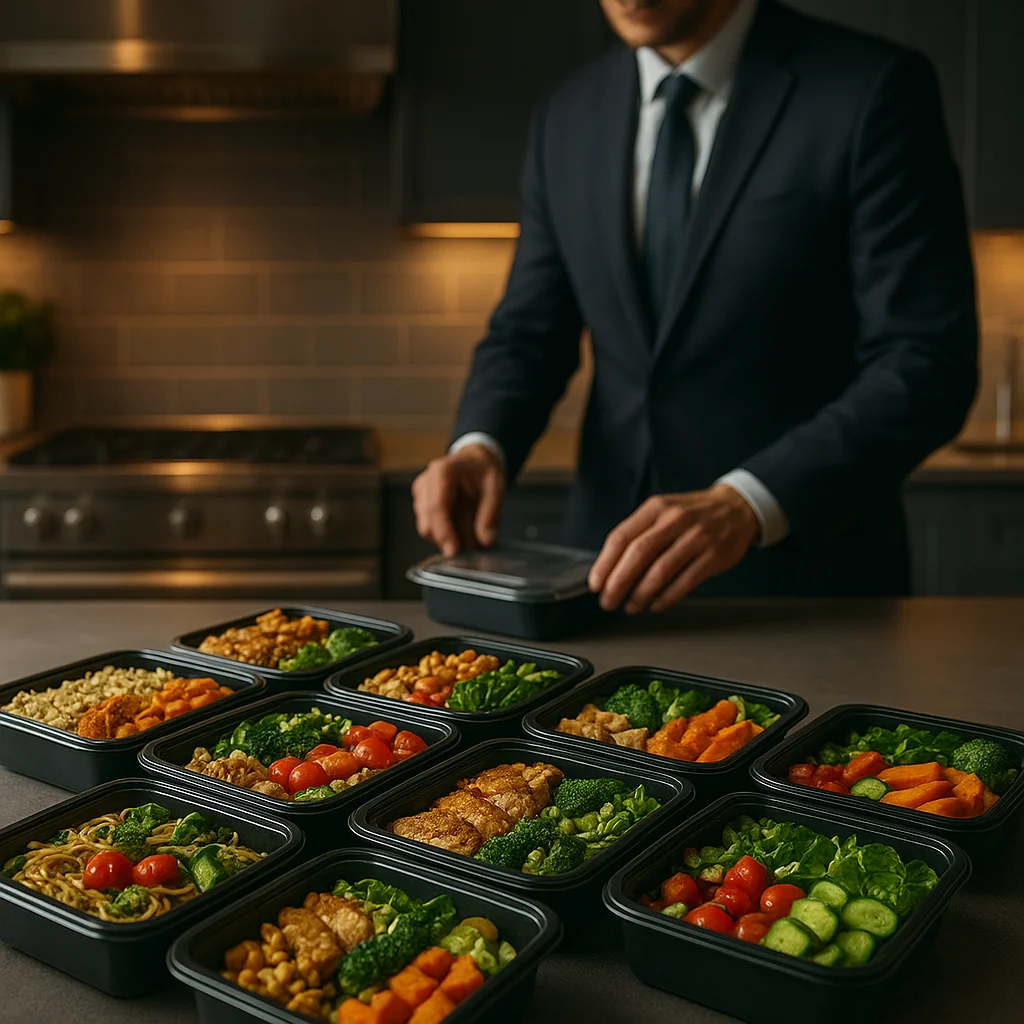
A useful system has four layers: proteins, vegetables, carbohydrates, and sauces or finishing elements. Instead of making five complete identical meals, you prepare two proteins, two vegetable options, one or two starches, and a couple of flavor boosters. That creates variety without multiplying labor. Roasted chicken can become a grain bowl on Monday, a wrap on Tuesday, and a quick stir-fry on Wednesday. Cooked lentils can support soup, salad, or a warm side. This is how professionals avoid boredom while still protecting time.
Actually, modular prep matches how many people eat in real life. Appetite changes by day. Work intensity changes by day. A rigid meal plan ignores that. A modular plan absorbs it. It also reduces waste because ingredients can be repurposed before they spoil. If one dinner does not happen, the components still have alternate uses. This principle appears again and again in strong postmortems of failed food routines: the issue was not lack of discipline but lack of flexibility.
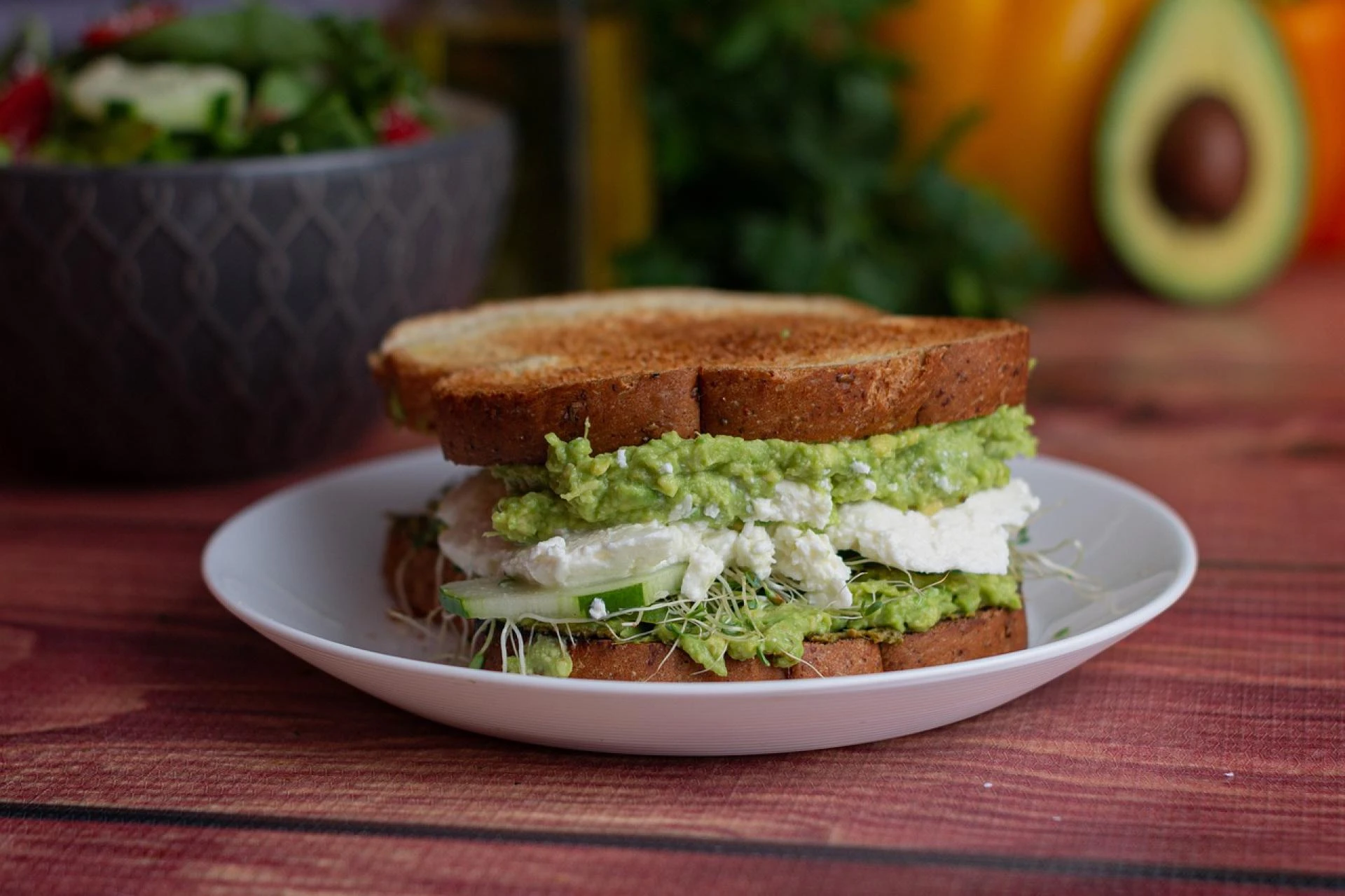
Storage strategy matters just as much as cooking strategy. Wet ingredients and crisp ingredients should often be kept apart. Dressings belong in separate jars. Herbs and crunchy toppings should be added at the end. Grain bowls store well; assembled sandwiches often do not. Professionals who prep successfully tend to understand texture management, not only nutrition.
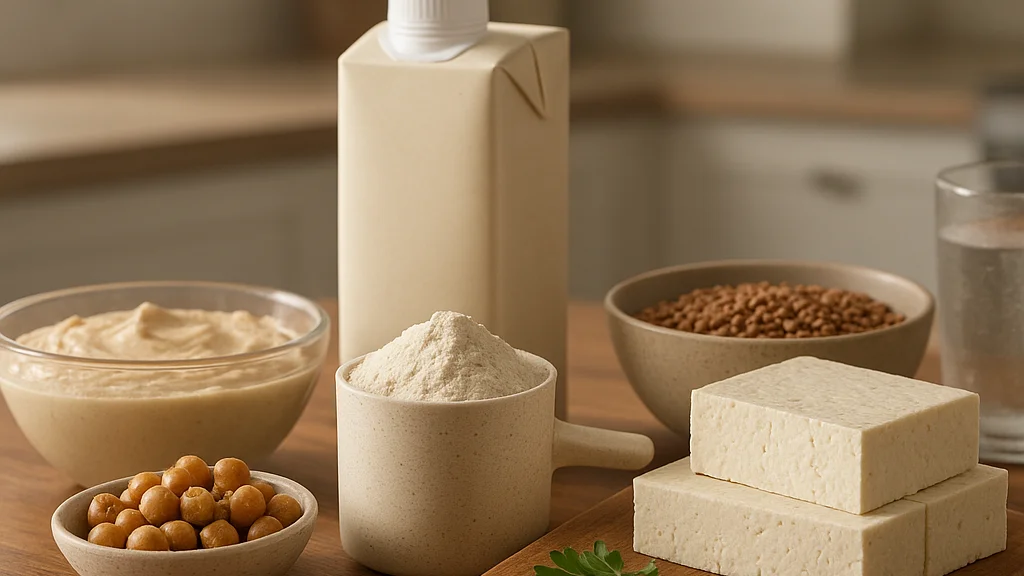
- Choose 2 proteins for the week, such as chicken thighs and tofu, or beans and salmon.
- Prepare 2 vegetables with different textures, for example roasted broccoli and shredded cabbage.
- Cook 1-2 starches, such as rice, potatoes, or quinoa.
- Add 2 flavor anchors, like yogurt sauce and vinaigrette.
- Leave 20-30% of meals unassigned so the plan can absorb social events or overtime.
If you want a complementary perspective, Meal Prep Strategies for Busy Professionals That Last makes a similar point from a sustainability angle: systems beat motivation. That is exactly right. Motivation fades first. Structure lasts longer.
The most durable meal prep plan is the one that can survive a missed train, a surprise meeting, and a low-energy Thursday.
How to build a weeknight-proof prep workflow
Busy professionals often assume meal prep requires a marathon Sunday. That assumption scares people off, and for good reason. Four hours in the kitchen can undermine the very efficiency the practice promises. A better workflow breaks prep into stages. Think of it as distributed production: one short planning block, one major cook block, and one midweek reset.
Start with planning. Ten to fifteen minutes is enough if the template is fixed. Review your calendar first, not your cravings. Count how many breakfasts, lunches, and dinners actually need support. A week with two office lunches, one dinner out, and a Friday travel day should not be prepped like a full seven-day home week. This sounds obvious, but many people overcook because they plan from aspiration rather than schedule.
Then move to procurement. The fastest shoppers rely on a stable core list: eggs, Greek yogurt, oats, rice, frozen vegetables, salad greens, canned beans, tortillas, fruit, and one or two proteins. Rotating only the seasonings and produce keeps decisions manageable. Online grocery ordering, now common across urban markets, can further compress time, though shoppers should still watch for substitution issues that disrupt recipes.
The main cook block should prioritize high-yield items. Sheet-pan vegetables, a pot of grains, boiled eggs, marinated protein, and a sauce can all run in parallel. Professionals who prep well usually stack appliance use: oven for roasting, rice cooker or pot for starch, blender for dressing, stovetop for one protein. During passive cooking time, wash produce and portion snacks. That is where the real efficiency appears.
A midweek reset, often on Wednesday night, is the overlooked step. Refill cut fruit, cook one fresh protein if needed, and repurpose leftovers before quality drops. This reset prevents the common Thursday collapse where the fridge contains food but nothing appealing. It also improves food safety because meals are not pushed too long.
- Sunday, 60-90 minutes: cook grains, roast vegetables, prepare proteins, mix sauces.
- Wednesday, 20-30 minutes: refresh produce, cook one quick item, reassign leftovers.
- Nightly, 5 minutes: move the next day’s meal to the front of the fridge and pack utensils or ice packs if needed.
Rolling Out highlighted tactics such as batching similar tasks and reducing repetitive chopping. Those recommendations are simple, but they work because they reduce transition costs. In operations terms, every switch between tasks creates drag. Efficient meal prep minimizes those switches.
Nutrition that fits work performance, not diet culture
One reason meal prep fails is that many plans are built around restriction rather than performance. Professionals need food that supports concentration, satiety, and stable energy. A lunch that is virtuous but tiny often leads to a 4 p.m. crash. A breakfast with no protein can produce the same result. The practical target is not perfection. It is meals that are balanced enough to keep work output steady.
Most successful prep frameworks include a protein anchor in each meal, a fiber source, and some fat for staying power. That can mean eggs with fruit and toast, yogurt with oats and seeds, rice bowls with chicken and vegetables, bean salads with olive oil, or soups paired with bread and a protein side. The exact cuisine matters less than the structure. For professionals with long meeting blocks, portable formats are especially valuable: wraps, overnight oats, grain salads, snack boxes, and freezer-friendly burritos.
There has also been a broader shift in 2026 toward high-protein convenience at retail. Supermarkets now stock more pre-cooked proteins, chopped vegetables, and single-serve sauces than they did a few years ago. Purists may dismiss that, but for a lawyer leaving the office at 8 p.m. or a nurse coming off a shift, semi-prepped ingredients can be the difference between eating a balanced dinner and ordering whatever arrives fastest. Efficiency is not cheating.
Portion design should reflect the workday. A field salesperson who drives between appointments may need compact, handheld meals. A remote engineer can handle bulkier bowls. Someone with a heavy gym schedule may need higher carbohydrate intake on certain days. This is where rigid meal plans become unhelpful. A better approach is to set nutritional defaults and then adjust portions to activity.
- Breakfast: include 20-30 grams of protein when possible to improve satiety.
- Lunch: combine protein, fiber, and a moderate starch to avoid midafternoon energy dips.
- Snacks: prep two dependable options such as fruit plus nuts, or yogurt plus berries.
- Dinner: keep one low-effort fallback, like frozen vegetables with pre-cooked protein and rice.
The MSN article’s emphasis on short, practical recipes reflects this broader reality: professionals do not need endless novelty. They need meals that are nutritionally competent, transportable, and easy to repeat.
What changed recently: the 2026 meal prep toolkit
The meal prep conversation in 2026 is more sophisticated than it was even three years ago. Several changes stand out. First, grocery retailers have expanded convenience layers without fully shifting consumers into expensive ready-made meals. More stores now sell trimmed vegetables, seasoned proteins, microwaveable grains, and freezer staples that can be combined into custom meals. That hybrid model supports time-poor workers who still want control over ingredients and budget.
Second, hybrid work has normalized uneven weekly demand. People are no longer prepping five identical office lunches by default. They are preparing for mixed contexts: one desk lunch, one commuting day, one client dinner, two work-from-home afternoons, maybe a train ride. The strongest meal prep systems now account for mobility. Leakproof containers, insulated bags, and freezer packs are not glamorous, but they matter. So do foods that tolerate delay without becoming unsafe or unappetizing.
Third, there is greater awareness of food safety. Professionals now hear more often about proper cooling, refrigeration windows, and reheating. That is a healthy correction to social content that once romanticized packing a whole week of fish or leafy salads with little discussion of storage quality. Smart prep in 2026 includes choosing meals that actually hold. Chili, curries, cooked grains, roasted vegetables, and hearty slaws generally outperform delicate dressed greens or fully assembled sandwiches over several days.
Fourth, the economics remain persuasive. While prices vary by city and country, the gap between a homemade lunch and a purchased delivery lunch is still meaningful for many households. Even when groceries are not cheap, repeated app-based ordering often costs more once fees are included. That financial logic has kept meal prep relevant despite the growth of premium convenience foods.
WriteUpCafe’s Effective Meal Prep Strategies for Busy Professionals and Top Meal Prep Strategies for Busy Professionals 2026 capture this recent turn well: the trend is moving away from all-or-nothing cooking and toward selective outsourcing. Buy the chopped vegetables if they save 20 minutes. Roast the protein yourself if that improves flavor and cost. Use convenience where it counts.
That, actually, is the 2026 mindset in one line: meal prep has matured from a purity test into a resource-allocation exercise.
Real-world models that professionals can copy
Abstract advice helps only so much. What tends to work in practice are repeatable models matched to job type. Consider the consultant with three office days and two client-site days. This person benefits from transportable lunches that can be eaten cold if necessary: grain salads, wraps, pasta salads with beans, cut fruit, and protein yogurt. Dinner prep can stay lighter because evening schedules may change. The key is portability and low mess.
Now compare that with a remote software manager. Home access to a kitchen allows more flexibility, so this person may prep components instead of finished meals: a tray of vegetables, cooked rice, a marinated protein, and soup. Lunch can be assembled in five minutes between calls. The risk here is grazing rather than forgetting to eat, so pre-portioned snacks matter more.
A hospital worker or shift-based employee has different constraints. Breaks may be short, microwaves limited, and appetite unpredictable. For this profile, the best prep foods are one-container meals, handheld items, and freezer backups. Think burritos, egg muffins, lentil soup, pasta bakes, chicken and rice bowls, or hearty overnight oats. The plan must assume fatigue. If reheating takes too long or assembly requires too many steps, it probably fails.
Entrepreneurs and freelancers face another trap: schedule volatility. They may have flexibility on paper but no reliable meal window. Their prep strategy should include emergency food at both home and work: nuts, shelf-stable milk, tuna or beans, crackers, fruit, and frozen meals with reasonable nutrition. This is not glamorous, but it prevents the 3 p.m. productivity drop that leads to poor choices later.
- Office-heavy week: prioritize leakproof, cold-friendly, portable lunches.
- Remote-heavy week: prep components and quick-assembly meals.
- Shift work: choose one-container, freezer-friendly, high-satiety meals.
- Travel week: reduce fresh perishables and lean on sturdy snacks plus one or two home-cooked anchor meals.
The common thread is fit. The best meal prep strategy is not the most ambitious one. It is the one aligned with how your week actually behaves.
How to make the habit last longer than two weeks
Sustainability is the final test. Many professionals can execute one strong prep Sunday. Far fewer can keep the practice going for months. The difference usually comes down to friction, repetition tolerance, and review. Systems that last are reviewed like any other process. What got eaten first? What spoiled? Which meals felt easy after a long day? That kind of mini-postmortem is more useful than chasing new recipes.
Start by lowering the threshold for success. A good week of meal prep does not require every meal to be homemade. If breakfasts and lunches are covered and two dinners are simplified, the system is already doing meaningful work. Perfectionism kills adherence because one disrupted day can make the whole effort feel broken. Better to define success as reduced weekday chaos.
Rotation also matters. Most people have a narrow band of meals they are happy to repeat. That is fine. Build a roster of eight to twelve dependable dishes and cycle them. Change sauces, herbs, or side dishes for variety. Professionals often overestimate how much novelty they need and underestimate how much reliability they value when tired.
Budget tracking helps reinforce the habit. Even a rough monthly comparison between groceries and delivery spending can be motivating. So can tracking recovered time. If a prep system saves four to five weekday cooking decisions and two rushed lunch purchases, the benefit is not abstract. It appears in money, attention, and calmer evenings.
Lasting meal prep is boring in the best sense: repeatable, measurable, and resilient under pressure.
Finally, build one fallback rule. Mine would be simple: if the week goes off track, prep only breakfasts, one protein, and cut fruit. That minimum viable system preserves momentum. It prevents the familiar slide from one missed prep session into a month of expensive improvisation. Busy professionals do not need a perfect kitchen routine. They need a stable one. And stable systems, actually, are what hold up when work gets messy.





























Sign in to leave a comment.