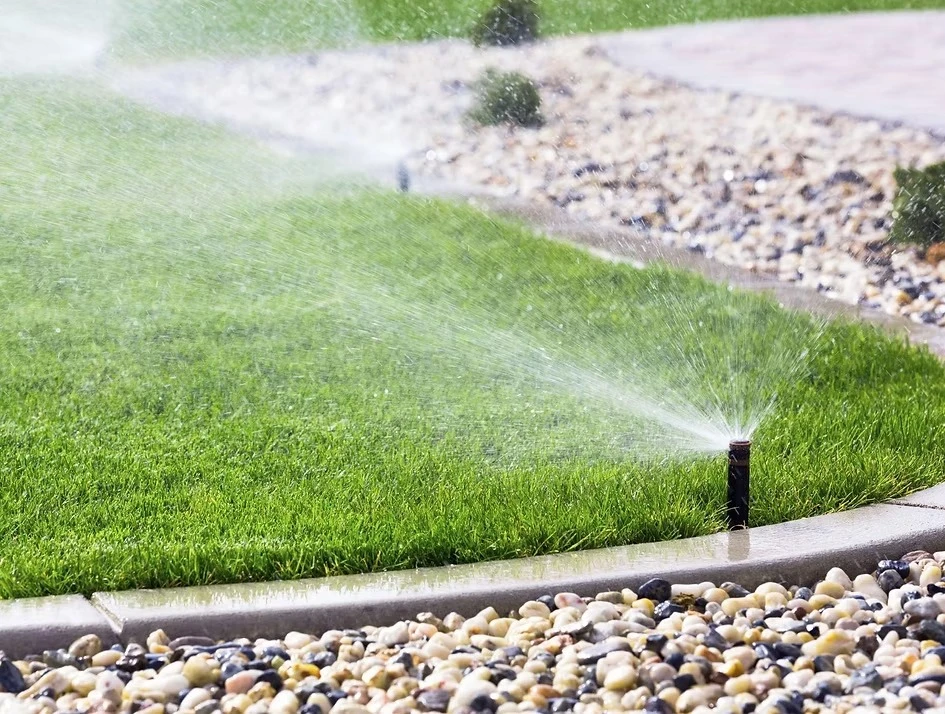
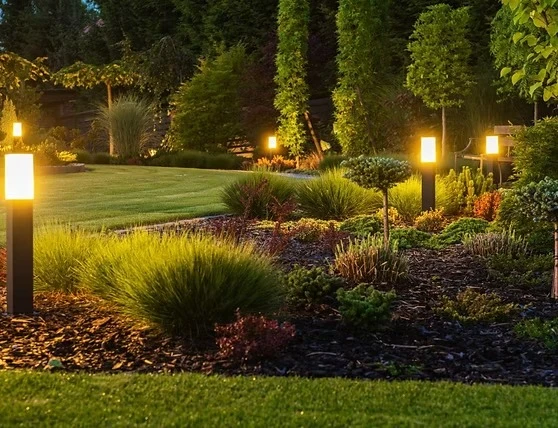
Creating a beautiful outdoor space involves more than just planting flowers and installing irrigation systems. Landscape lighting, especially low voltage garden lights, plays a crucial role in enhancing your garden’s ambiance while providing safety and functionality. These lighting systems highlight pathways, showcase architectural elements, and add charm to your evenings. However, to keep your outdoor lighting shining brightly, proper maintenance is essential. In this article, we will explore practical tips for maintaining your low voltage garden lights, ensuring they remain efficient, safe, and visually appealing.
Regular Cleaning and Fixture Care
One of the simplest yet most effective ways to maintain your low voltage garden lights is regular cleaning. Dirt, dust, and debris can accumulate on the light fixtures, reducing brightness and overall performance. Outdoor lights are also exposed to environmental elements like rain, wind, and pollen, which can lead to discoloration or corrosion over time.
Start by gently wiping down the fixtures with a soft cloth and mild soap solution. Avoid abrasive cleaners or harsh chemicals, as these can damage the finish of your lights. Pay attention to the lenses, which can collect grime that diminishes light output. If your garden lights have removable covers, take them off occasionally to clean the interior thoroughly. Routine cleaning not only maintains aesthetics but also extends the life of your low voltage garden lights.
In addition to cleaning, inspect the fixtures for physical damage such as cracks or rust. Damaged fixtures can allow moisture to enter, potentially causing short circuits or reducing efficiency. Replacing or repairing damaged components promptly will prevent more significant issues down the line.
Checking Wiring and Connections
Another critical aspect of maintaining low voltage garden lights is monitoring the wiring and electrical connections. Low voltage lighting systems rely on a transformer to step down standard electrical voltage, making secure wiring connections essential for safety and performance. Loose or corroded connections can result in flickering lights, reduced brightness, or even system failure.
Regularly inspect the wiring for signs of wear, such as fraying insulation or exposed copper. Ensure all connections are tight, and check for moisture intrusion in junction boxes or splices. In areas with heavy foot traffic or where animals are present, extra care is needed to prevent damage to underground wires.
If you notice any corrosion at connectors or terminals, clean them carefully and apply dielectric grease to protect against future rusting. Maintaining secure wiring connections ensures that your low voltage garden lights operate reliably and safely throughout the year.
Replacing Bulbs and LED Components
The performance of low voltage garden lights depends significantly on the condition of their bulbs or LED components. Over time, even energy-efficient LED lights may dim or fail, while traditional halogen bulbs need periodic replacement. Timely replacement ensures your garden lighting remains bright and consistent.
When replacing bulbs, always match the manufacturer’s specifications to maintain optimal performance. Using bulbs with incorrect wattage or voltage can damage fixtures and compromise safety. For LED systems, check the specific LED modules for signs of burnout or flickering. Many LED components are designed to last for thousands of hours, but environmental exposure can shorten their lifespan.
Replacing bulbs and LED components is not only about maintaining brightness—it also affects energy efficiency. A properly functioning low voltage garden lights system uses less power and provides better illumination for your outdoor spaces.
Troubleshooting Common Issues
Even well-maintained low voltage garden lights may occasionally experience problems. Understanding common issues can help you address them quickly without the need for extensive repairs. Flickering lights often indicate loose connections, voltage drops, or worn-out bulbs. If several lights fail simultaneously, it may point to transformer issues or damaged wiring.
Another common problem is uneven illumination, which can result from misaligned fixtures, dirt accumulation, or a partially obstructed lens. Regularly check your lights’ alignment and clean the lenses to ensure even coverage across your garden or pathways.
In areas prone to water accumulation, check for moisture inside fixtures. Water can cause short circuits or corrosion, leading to system failure. Installing proper drainage or sealing fixtures can prevent these issues. By troubleshooting minor problems early, you can avoid costly repairs and ensure your low voltage garden lights continue to enhance your landscape.
Professional Maintenance Services in Tucson
While many maintenance tasks can be performed by homeowners, professional assistance ensures your low voltage garden lights remain in top condition year-round. In Tucson, Rain Link specializes in comprehensive landscape lighting services, including installation, maintenance, and repair of low voltage systems. Their team of experts can inspect wiring, test transformers, replace bulbs, and clean fixtures efficiently, saving you time and effort.
Professional maintenance not only enhances the performance of your garden lighting but also ensures safety. Handling electrical components in outdoor environments can be risky without proper training. Rain Link’s technicians are skilled in both lighting and irrigation systems, providing a holistic approach to outdoor maintenance that combines aesthetics, functionality, and water efficiency.
For homeowners seeking reliable, long-term solutions, regular professional check-ups by Rain Link help maintain the beauty and safety of your outdoor spaces. Their attention to detail and commitment to quality service ensures that your low voltage garden lights shine brightly throughout every season.
Conclusion
Routine maintenance is the key to keeping your low voltage garden lights bright, safe, and long-lasting. From regular cleaning and checking wiring connections to replacing bulbs and troubleshooting issues, every step contributes to a well-functioning outdoor lighting system. In Tucson, Rain Link provides expert support for homeowners looking to enhance their gardens, pathways, and outdoor areas with professional lighting solutions. By combining routine care with professional services, you can enjoy the full beauty and functionality of your low voltage garden lights while ensuring they remain a lasting feature of your landscape.



















Sign in to leave a comment.