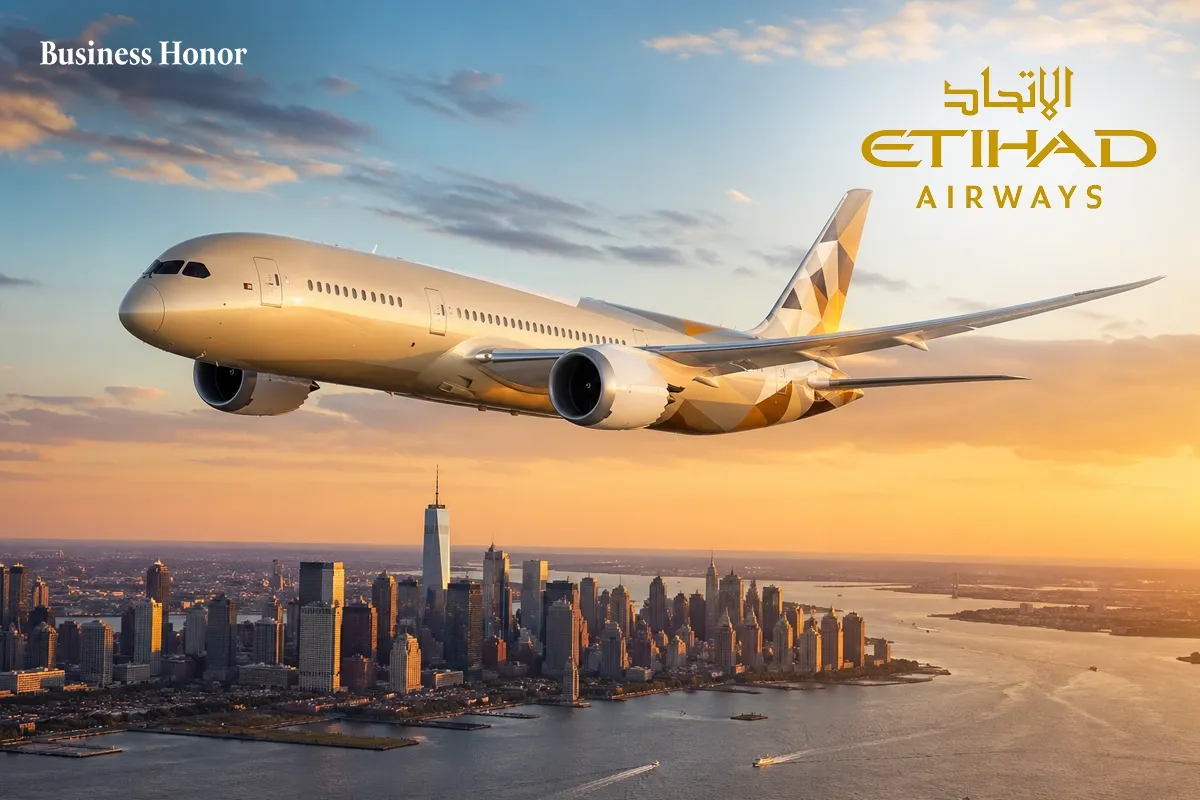

Etihad Airways is strengthening its long-haul network by expanding the use of its modern Boeing 787 Dreamliner on key routes to the United States. This strategic move reflects growing passenger demand, a focus on fuel efficiency, and the airline’s broader ambition to enhance connectivity between the Middle East and North America.
Strategic Expansion into the U.S. Market
Etihad’s decision to deploy more Boeing 787 aircraft on U.S. routes highlights its confidence in transatlantic travel recovery and long-term growth. Major U.S. hubs expected to benefit include:
- New York (JFK)
- Chicago (ORD)
- Washington, D.C. (IAD)
These cities serve as critical gateways for both business and leisure travelers, and the expansion is designed to improve frequency, capacity, and passenger experience.
Why the Boeing 787 Dreamliner?
The Boeing 787 is central to Etihad’s fleet modernization strategy. Known for its advanced technology and passenger comfort, the aircraft offers several advantages:
- Fuel Efficiency: Up to 20% lower fuel consumption compared to older aircraft
- Enhanced Comfort: Larger windows, better cabin pressure, and improved humidity
- Lower Emissions: Supports Etihad’s sustainability goals
- Operational Flexibility: Ideal for long-haul routes with varying demand
By increasing Dreamliner operations, Etihad can balance cost efficiency with premium service delivery.
Strengthening Global Connectivity
The expansion is not just about adding flights—it’s about improving global connectivity. Passengers traveling from the U.S. can seamlessly connect through Abu Dhabi to destinations across:
- The Middle East
- South Asia
- Southeast Asia
- Africa
This reinforces Abu Dhabi’s position as a strategic global transit hub.
Business and Tourism Impact
The increased capacity is expected to have a ripple effect on both business travel and tourism:
Business Travel Benefits
- More flexible scheduling for corporate travelers
- Improved cargo capacity supporting trade routes
- Stronger ties between U.S. and UAE markets
Tourism Growth
- Easier access for American tourists to the UAE
- Boost in inbound tourism to the U.S. from the Middle East
- Enhanced travel experiences encouraging repeat journeys
Sustainability at the Core
Etihad has been vocal about its commitment to sustainable aviation. The Boeing 787 plays a crucial role in this mission:
- Reduced carbon footprint per passenger
- Integration with Etihad’s ecoFlight initiatives
- Support for long-term net-zero goals
This aligns with global aviation trends pushing for greener operations.
Industry Perspective
According to International Air Transport Association (IATA), long-haul travel demand continues to rebound strongly, particularly on transcontinental routes. Airlines investing in fuel-efficient aircraft like the Boeing 787 are better positioned to capitalize on this growth while managing operational costs.
Sources & References
- Official updates from Etihad Airways newsroom
- Aircraft specifications from Boeing
- Industry data from International Air Transport Association (IATA)
- Aviation market insights via:
Final Thoughts
Etihad Airways’ expansion of Boeing 787 operations to major U.S. hubs signals a calculated step toward growth, efficiency, and sustainability. As global travel continues to evolve, airlines that invest in modern fleets and strategic routes will lead the next phase of aviation innovation.
At Business Honor, we see this move as a strong indicator of how premium carriers are reshaping long haul travel blending operational excellence with passenger-centric innovation.






























Sign in to leave a comment.