
Key Takeaways
- Cheese type and timing both affect texture, since melting cheese directly on a hot patty produces a different result than adding it late or cold.
- A cheeseburger depends on the same beef fundamentals as a plain patty, meaning cheese cannot compensate for poor beef quality or overcooking.
- Mild, meltable cheeses tend to integrate better with the patty than sharper or firmer varieties that resist melting evenly.
- Adding cheese too early or too late in the cooking process changes both texture and how well it adheres to the patty.
- Bun toasting still matters as much here as in a plain burger, since a soggy bun undermines even a well-executed cheeseburger.
- Allergen and ingredient information should be confirmed directly, since cheese blends and sauces vary between kitchens.
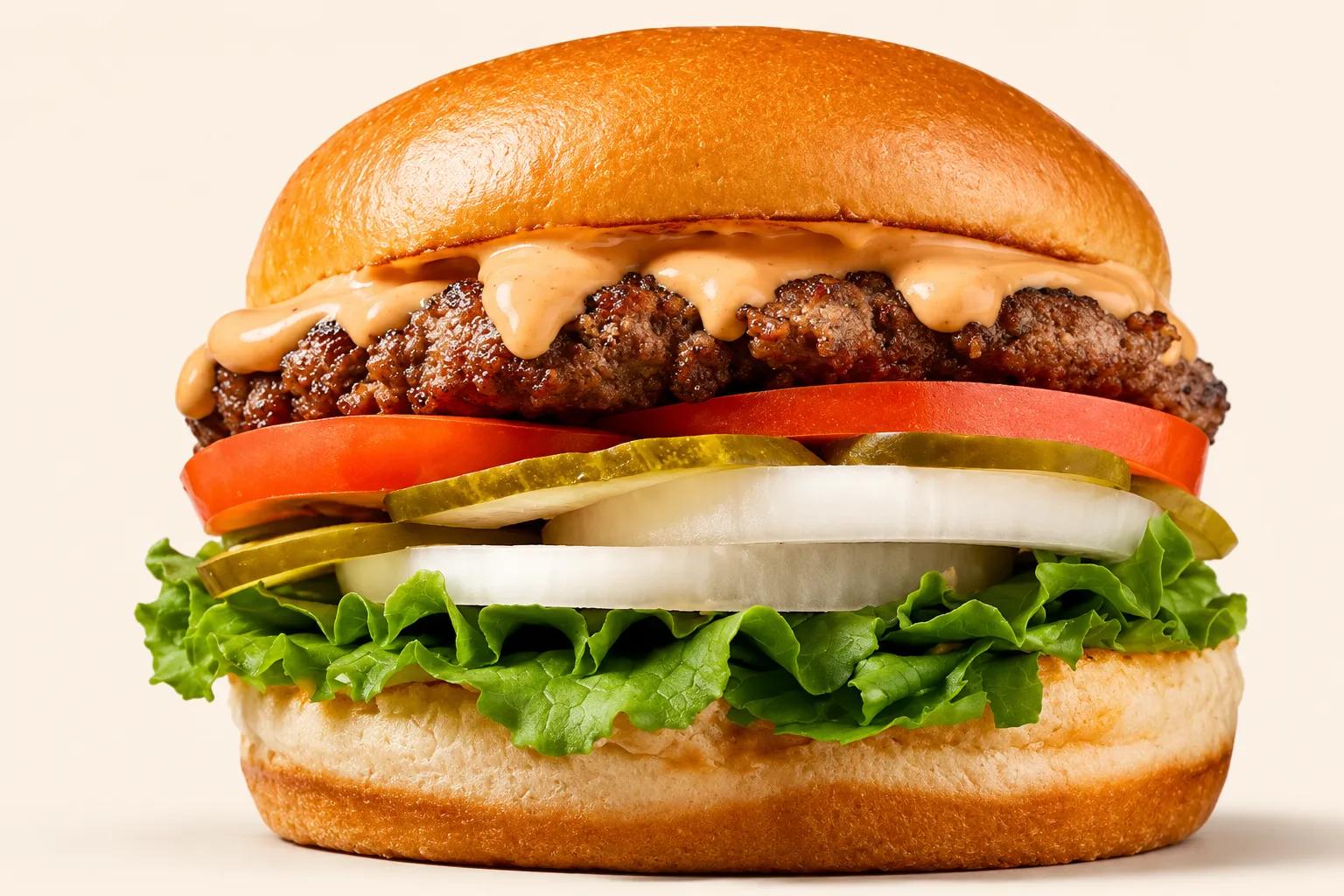
Adding cheese to a burger sounds simple, but the timing and cheese choice actually change the final result more than most people expect. A well-made cheeseburger depends on melting the cheese at the right point in the cooking process, not just placing a slice on top after the patty is done. Get that timing wrong, and the cheese sits as a separate layer instead of becoming part of the bite.
The beef itself still carries most of the responsibility for flavor and texture. Cheese adds richness and a different mouthfeel, but it works best as a complement to a properly cooked patty rather than a way to mask an average one.
How Cheese Changes the Eating Experience
Melted cheese adds fat and moisture that a plain patty doesn't have on its own, which softens the overall bite and rounds out the flavor. This works best when the cheese is added while the patty is still on the heat, allowing it to melt into the surface rather than resting as a cold or partially melted layer on top.
Cheese also affects how juices move through the burger. A properly melted layer can help hold moisture against the patty briefly, though this effect is minor compared to the cooking technique used on the beef itself.
Choosing the Right Cheese
Softer, more meltable cheeses generally work better on a cheeseburger than firm or aged varieties that resist melting quickly under direct heat. Cheeses with lower moisture content can also melt unevenly, sometimes staying stiff at the edges while the center softens. Milder cheeses tend to complement beef flavor rather than overpowering it, though this comes down to personal preference more than a strict rule.
Cooking and Timing
Cheese is usually added during the last minute or so of cooking, often with a lid or cover placed briefly over the patty to trap heat and speed up melting. Adding cheese too early can cause it to overcook and separate, becoming greasy rather than smooth. Adding it too late leaves it barely softened, sitting on top rather than integrating with the patty.
Patty thickness also affects how well cheese melts, since a thinner patty retains less residual heat once cooked, making a lid or direct heat source more important for proper melting.
Expert Insights
Cooks who prepare cheeseburgers regularly pay close attention to the melting window, since even a short delay changes the texture noticeably. Many rely on a brief covering step, using a lid or dome, to trap heat around the cheese rather than relying on residual patty heat alone.
Cheese placement matters too. Centering the cheese so it melts evenly across the patty, rather than sitting off to one side, helps ensure consistent coverage in every bite. Professionals also tend to match cheese thickness to patty size, since a cheese slice that's too thick may not fully melt within the short cooking window.
Industry Best Practices
Kitchens that consistently produce well-made cheeseburgers tend to follow similar steps:
- Adding cheese only in the final stage of cooking, timed to the patty's remaining heat
- Using a cover or lid briefly to encourage even melting
- Selecting cheese varieties known for consistent melting behavior
- Toasting buns separately to maintain structure against melted cheese and condiments
- Clearly communicating cheese type and allergen information, since dairy-based ingredients vary between menus
Common Mistakes
Adding cheese too early. This can cause the cheese to overcook alongside the patty, leading to a greasy texture rather than a smooth melt.
Using cheese that doesn't melt well. Certain firmer cheeses stay stiff even under heat, resulting in an inconsistent bite instead of a unified one.
Skipping the covering step. Without trapped heat, cheese often melts unevenly, especially on thicker patties.
Overloading with cheese. Too much cheese can overwhelm the beef flavor and make the burger difficult to hold together structurally.
Buying Considerations
When ordering, it helps to ask what cheese options are available, since some kitchens offer a single default cheese while others provide choices. Melting quality is worth paying attention to as well, since a properly melted cheeseburger should show cheese integrated into the patty rather than sitting as a separate cold layer.
For those with dietary restrictions, checking whether alternative cheese options exist is important, as dairy content and specific cheese types vary by kitchen. Portion and patty size should also be confirmed if that affects your order, since a cheeseburger's overall balance depends on the ratio between beef and cheese.
Read More
Readers interested in related options may also find our article on gluten free burger choices useful.
Final Thoughts
A well-made cheeseburger comes down to the same fundamentals as a plain beef patty, with the added variable of cheese timing and selection. BurgerBloc and other kitchens preparing this dish rely on proper melting technique and quality beef working together rather than either element carrying the dish alone. For diners in Toronto deciding where to order, paying attention to how the cheese is melted and integrated offers a useful way to judge overall quality.
Understanding these details makes it easier to recognize a well-executed cheeseburger versus one where cheese was simply added as an afterthought.
FAQs
What's the best cheese for a cheeseburger?
Softer, meltable cheeses generally work best, since they integrate smoothly with the patty rather than staying stiff under heat.
Why does cheese timing matter during cooking?
Adding cheese too early or late affects how well it melts and adheres to the patty, changing both texture and flavor.
Does covering the patty help the cheese melt better?
Yes, briefly covering the patty traps heat around the cheese, helping it melt more evenly than residual heat alone would allow.
Can I find different cheese options on a cheeseburger in Toronto?
Many Toronto kitchens offer at least one cheese option, though variety depends on the specific restaurant and its menu.
What's a common mistake people make when ordering a cheeseburger?
Assuming any cheese works the same way, when in fact melting behavior and flavor vary significantly between cheese types.

























Sign in to leave a comment.