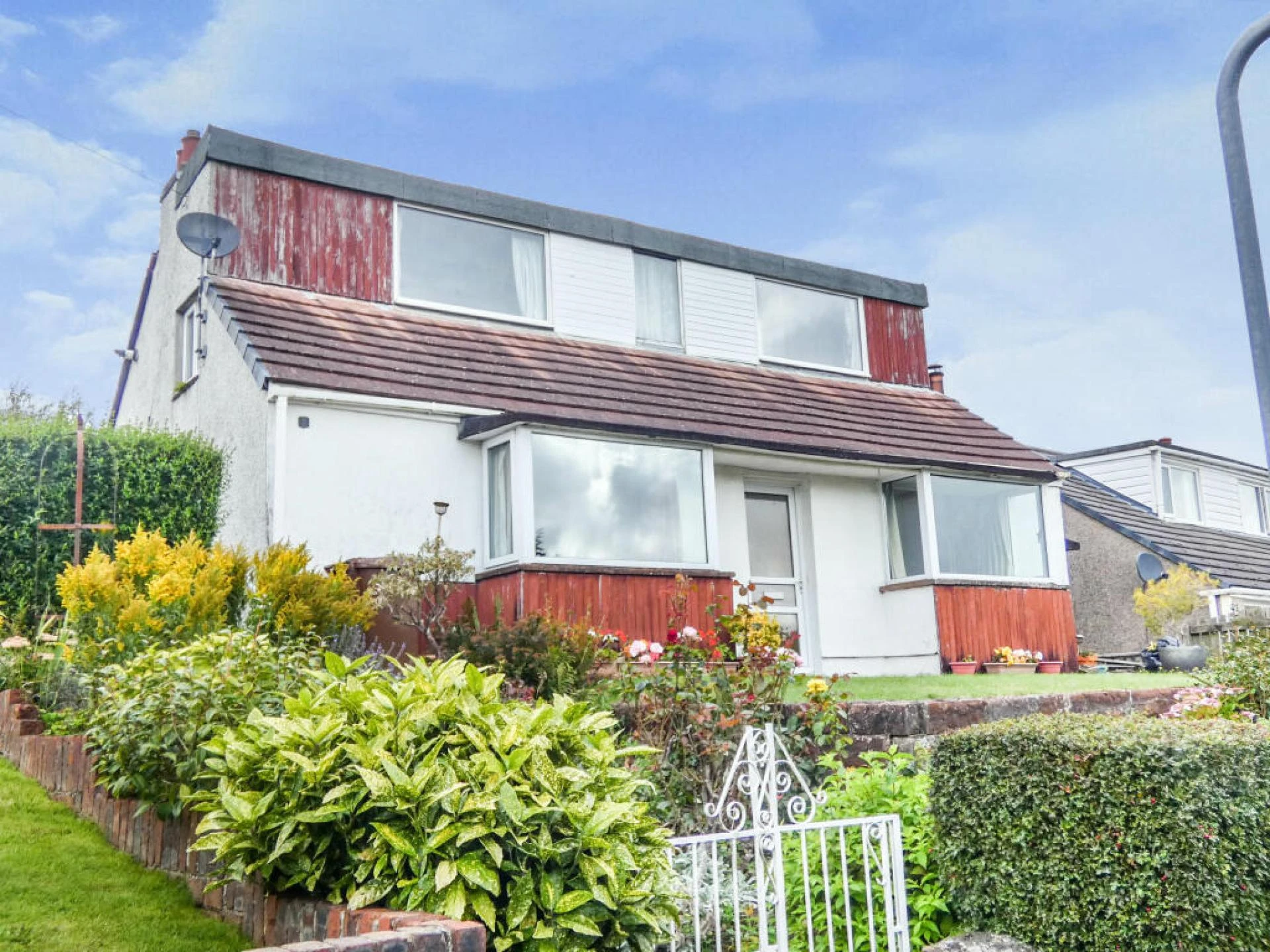

Participating in property auctions can be an exciting and potentially lucrative endeavor for both novice and seasoned real estate investors. However, the key to success lies in accurately evaluating property values before bidding. Understanding the market dynamics, assessing property conditions, and employing strategic evaluation techniques can make the difference between a successful investment and a costly mistake. This article will guide you through essential tips for evaluating property values to ensure property auctions success.
Understanding Property Auctions
Before diving into the evaluation process, it's crucial to understand the basics of property auctions. Property auctions involve the sale of properties through a competitive bidding process. This can include residential homes, commercial buildings, and land. Auctions are often used by sellers looking to achieve a quick sale, including banks, government agencies, and private sellers.
Properties are typically sold "as-is," meaning buyers purchase them in their current condition without guarantees. As a result, accurately evaluating the property's value becomes essential. Here's how you can go about it:
1. Research the Market
A. Understand Local Market Trends
The first step in evaluating property values for auction success is understanding the local real estate market. This involves analyzing current market trends, property prices, and the economic factors affecting the area.
Recent Sales Data: Examine recent sales data for similar properties in the area. Look for patterns in pricing, such as properties that sold above or below the asking price. Websites like Zillow, Realtor.com, and local MLS (Multiple Listing Service) platforms can provide valuable insights into recent sales and market trends.
Market Demand: Analyze the demand for properties in the area. High demand often leads to increased property values, while low demand can result in lower prices. Consider factors such as population growth, employment rates, and local amenities that may influence demand.
Neighborhood Development: Investigate upcoming developments in the neighborhood, such as new infrastructure projects, schools, or commercial areas. These developments can significantly impact property values, either positively or negatively.
B. Analyze Comparable Properties
Comparative Market Analysis (CMA) is a powerful tool for evaluating property values. It involves comparing the subject property with similar properties that have recently sold in the area. Here's how to conduct a CMA:
Select Comparable Properties: Choose properties that closely resemble the one you're interested in regarding size, age, location, and features. The more similar the properties, the more accurate your evaluation will be.
Adjust for Differences: Adjust the price of the comparable properties based on differences in features, such as additional bedrooms, bathrooms, or amenities. This will give you a more accurate estimate of the subject property's value.
Analyze Price Per Square Foot: Calculate the price per square foot for each comparable property and apply it to the subject property. This metric provides a consistent basis for evaluating properties of different sizes.
C. Examine Historical Data
Understanding the historical performance of the property's value can provide insights into future trends. Look at the property's price history over the past few years, including any significant fluctuations. Consider factors like:
Economic Events: Analyze how past economic events, such as recessions or booms, affected the property's value. This can help you anticipate potential market shifts.
Property Appreciation: Assess the property's appreciation rate over time. Properties with consistent appreciation may be more attractive investments.
2. Assess Property Condition
A. Conduct a Physical Inspection
Evaluating the physical condition of the property is a critical step in determining its value. Conduct a thorough inspection to identify any issues that may affect the property's worth:
Exterior Inspection: Examine the property's exterior for signs of wear and tear, such as damaged roofs, cracks in the foundation, or deteriorating siding. Consider factors like landscaping and curb appeal.
Interior Inspection: Inspect the interior for structural integrity, plumbing, electrical systems, and appliances. Pay attention to any visible signs of damage, such as mold, water leaks, or pest infestations.
Maintenance History: Review the property's maintenance history, if available. Regular maintenance can indicate that the property has been well-cared-for and may have fewer hidden issues.
B. Hire Professional Inspectors
While conducting a personal inspection is beneficial, hiring professional inspectors can provide a more comprehensive assessment. Consider hiring:
Home Inspectors: These professionals can conduct a thorough examination of the property's structure, systems, and overall condition.
Pest Inspectors: Pest inspections can identify issues like termite infestations, which can significantly impact a property's value.
Environmental Inspectors: Environmental assessments may be necessary for properties in areas prone to contamination or natural hazards.
C. Evaluate Renovation Potential
Assess the property's potential for renovations or improvements that could enhance its value. Consider factors like:
Cost of Renovations: Calculate the estimated cost of necessary renovations and compare it to the potential increase in property value. Ensure the investment aligns with your budget and goals.
Return on Investment (ROI): Evaluate the potential ROI for renovations. Focus on improvements that offer the highest returns, such as kitchen upgrades, bathroom remodels, or energy-efficient enhancements.
3. Consider Legal and Zoning Factors
A. Investigate Zoning Regulations
Understanding zoning regulations is essential when evaluating property values, as they dictate how the property can be used. Research the local zoning laws to ensure the property aligns with your intended use:
Zoning Classification: Determine the property's zoning classification (e.g., residential, commercial, industrial) and any restrictions on usage. Ensure your plans comply with these regulations.
Future Zoning Changes: Investigate any proposed zoning changes in the area that could impact the property's value. Changes in zoning can lead to increased development opportunities or restrictions.
B. Review Legal Documentation
Thoroughly review the property's legal documentation to uncover any potential issues that could affect its value:
Title Search: Conduct a title search to ensure there are no liens, encumbrances, or legal disputes associated with the property. Clear title ownership is crucial for a successful purchase.
Easements and Restrictions: Investigate any easements or restrictive covenants affecting the property. These can limit your ability to make improvements or utilize the property as intended.
Property Taxes: Evaluate the property's tax history and current tax liabilities. High property taxes can impact your overall investment return.
4. Utilize Technology and Tools
A. Leverage Online Valuation Tools
Online valuation tools can provide quick and convenient estimates of property values. While they shouldn't be relied upon solely, they can offer valuable insights:
Automated Valuation Models (AVMs): AVMs use algorithms to estimate property values based on market data, comparable sales, and other factors. Examples include Zillow's Zestimate and Redfin Estimate.
Local Real Estate Platforms: Utilize local real estate platforms that offer property valuations based on regional data and trends.
B. Employ Geographic Information Systems (GIS)
GIS technology allows you to analyze spatial data and visualize property-related information. It can provide insights into:
Property Boundaries: View accurate property boundaries and neighboring properties to assess potential influences on value.
Proximity to Amenities: Analyze the property's proximity to schools, parks, transportation, and other amenities that can impact its desirability.
Environmental Factors: Evaluate environmental factors such as flood zones, natural hazards, or pollution that may affect property value.
5. Develop a Bidding Strategy
A. Set a Budget and Stick to It
Establishing a budget before attending an auction is crucial for avoiding overbidding and financial strain:
Maximum Bid Limit: Determine your maximum bid limit based on your evaluation of the property's value, renovation costs, and potential ROI. Stick to this limit during the auction.
Emotional Discipline: Avoid letting emotions drive your bidding decisions. Stick to your budget, even if the competition becomes intense.
B. Identify Bidding Tactics
Develop a bidding strategy that aligns with your goals and minimizes risks:
Opening Bid Strategy: Decide whether to start with a low opening bid to gauge interest or a strong initial offer to assert dominance.
Incremental Bidding: Use incremental bidding to gradually increase your offer without exceeding your budget. This approach allows you to assess the competition's interest.
Psychological Tactics: Observe other bidders' behavior and use psychological tactics to your advantage. For example, pausing before making a bid can create uncertainty among competitors.
6. Stay Informed About Auction Rules
A. Understand Auction Types
Familiarize yourself with different types of auctions and their specific rules:
Absolute Auctions: Properties are sold to the highest bidder without a minimum reserve price. This type of auction can lead to potentially lower prices but carries higher risks.
Reserve Auctions: The seller sets a minimum reserve price, and the property will only be sold if the highest bid meets or exceeds this amount. This type offers more protection for sellers.
Sealed Bid Auctions: Bidders submit confidential bids, and the highest bid wins. This method prevents bidders from seeing each other's offers.
B. Attend Auction Previews
Many auctions offer property previews or open houses before the bidding day. Take advantage of these opportunities to:
Inspect the Property: Conduct a final inspection to confirm the property's condition and identify any last-minute concerns.
Network with Other Bidders: Engage with fellow bidders to gather insights into their strategies and potential competition.
Ask Questions: Seek clarification from auction staff regarding rules, bidding procedures, and any property-specific details.
Conclusion
Successfully evaluating property values for auction success requires a combination of research, analysis, and strategic planning. By understanding the local market, assessing property conditions, considering legal factors, and employing technology, you can make informed bidding decisions. Additionally, developing a solid bidding strategy and staying informed about auction rules
























Sign in to leave a comment.