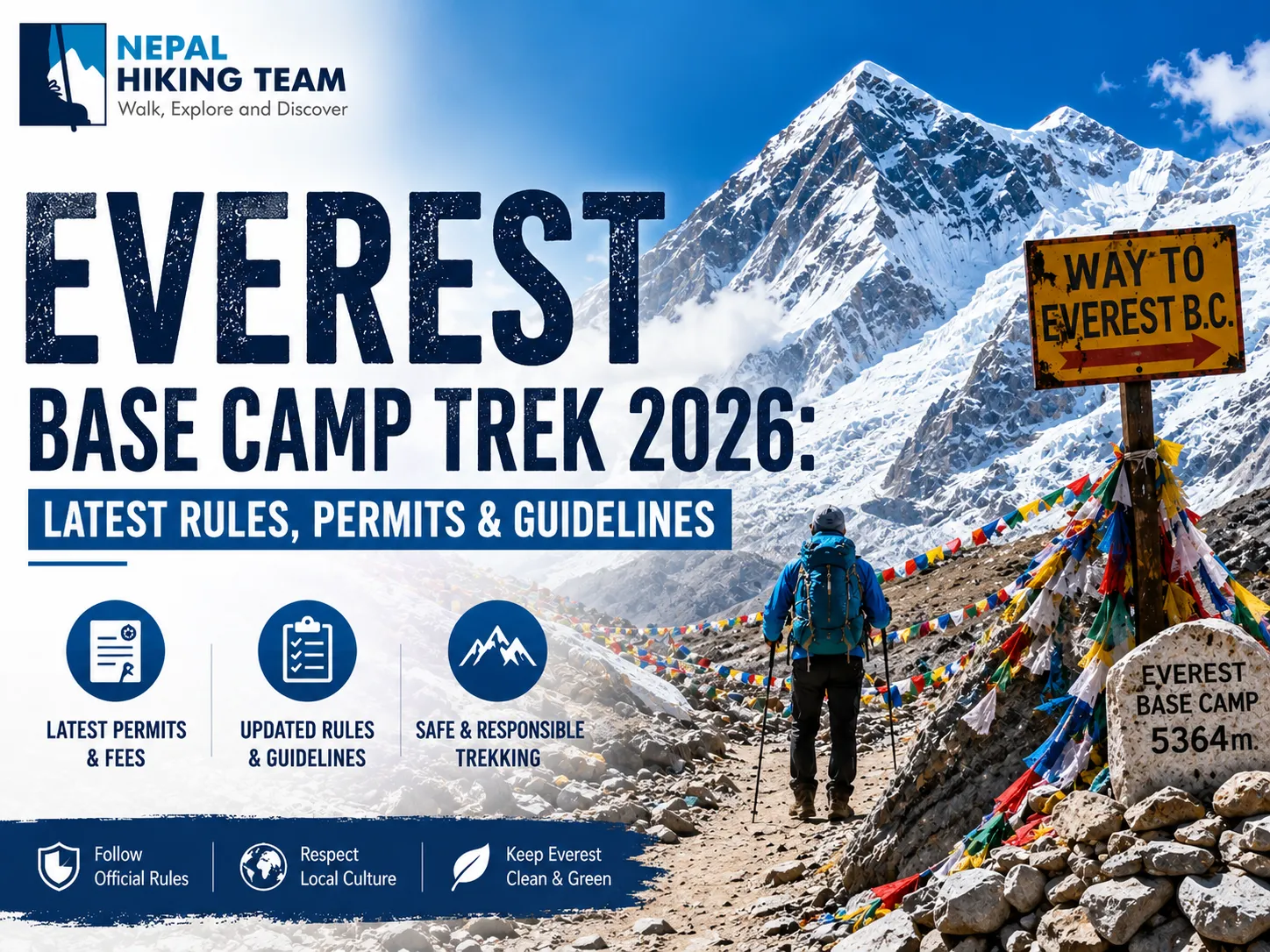
→ Planning to trek to Everest Base Camp in 2026 but confused about permits, rules, and new updates? You are not alone. Many trekkers get stuck in outdated information, especially after Nepal introduced stricter trekking policies in recent years. This guide breaks everything down in simple terms so you can plan your trek the right way, avoid mistakes, and focus on the experience.
In this blog, you will learn the latest 2026 rules, required permits, costs, practical tips, and real insights into how trekking works on the ground.
Quick Summary
If you are trekking to Everest Base Camp in 2026, you must go with a licensed guide, carry valid permits, and follow local regulations strictly. Independent trekking without a guide is no longer allowed in the Everest region. You will need a Sagarmatha National Park Permit and a Khumbu Pasang Lhamu Rural Municipality Permit. Planning early and choosing a reliable operator is key.
Key Takeaways
- A licensed guide is mandatory for Everest Base Camp trekking in 2026
- Solo trekking without a guide is not allowed
- You need two main permits for the trek
- Lukla flights are still the primary access route
- Proper acclimatization is critical for safety
- Booking with a trusted trekking company reduces risks
What Are the Latest Everest Base Camp Trek Rules in 2026?
As of 2026, Nepal has made trekking rules stricter to improve safety and tracking of trekkers.
The biggest update is that independent trekking is no longer allowed. You must hire a licensed guide or book through a registered trekking agency. This rule applies to Everest Base Camp as well.
The government introduced this to reduce accidents, especially cases where trekkers got lost or suffered altitude sickness without support.
Another important rule is mandatory registration through a trekking agency. This ensures your itinerary is recorded and you can be tracked in case of emergencies.
These changes may feel restrictive, but they significantly improve safety on one of the world’s most demanding trekking routes.
What Permits Do You Need for the Everest Base Camp Trek?
To trek to Everest Base Camp, you need two essential permits. Without them, you cannot enter the region.
1. Sagarmatha National Park Permit
This permit allows entry into the protected Everest region.
- Cost: Around USD 30 for foreigners
- Issued at: Nepal Tourism Board office or Monjo checkpoint
- Validity: Single entry
2. Khumbu Pasang Lhamu Rural Municipality Permit
This replaced the older TIMS card for this region.
- Cost: Around USD 20
- Issued at: Lukla or Monjo
- Managed by local authorities
Quick Permit Breakdown
| Permit Name | Cost (Approx) | Where to Get It | Required |
| Sagarmatha National Park Permit | $30 | Kathmandu / Monjo | Yes |
| Khumbu Rural Municipality Permit | $20 | Lukla / Monjo | Yes |
Important Tip: If you book with a trekking agency, they usually arrange these permits for you. This saves time and avoids confusion.
Do You Need a Guide for Everest Base Camp in 2026?
Yes, hiring a guide is now mandatory.
As per Nepal Tourism Board guidelines, all trekkers must be accompanied by a licensed guide or porter-guide. This is not optional anymore.
Why this rule matters:
- Guides help with navigation in remote areas
- They monitor your health and altitude sickness symptoms
- They handle logistics like accommodation and permits
- They improve your overall trekking experience
Real insight: Many trekkers underestimate how confusing the trails can get after Namche Bazaar. Weather changes, landslides, and poor visibility make guides extremely valuable.
Everest Base Camp Trek Itinerary (Standard 12-14 Days)
A typical Everest Base Camp trek takes around 12 to 14 days, including acclimatization.
Sample Itinerary:
| Day | Location | Activity |
| 1 | Kathmandu | Arrival |
| 2 | Lukla to Phakding | Trek begins |
| 3 | Namche Bazaar | Acclimatization |
| 4 | Namche | Rest day |
| 5 | Tengboche | Trek |
| 6 | Dingboche | Trek |
| 7 | Dingboche | Acclimatization |
| 8 | Lobuche | Trek |
| 9 | Everest Base Camp | Reach destination |
| 10 | Gorak Shep to Kala Patthar | Sunrise view |
| 11-14 | Return trek | Back to Lukla |
How Much Does the Everest Base Camp Trek Cost in 2026?
The total cost depends on your travel style.
Budget Breakdown:
| Category | Cost Range |
| Budget Trek | $900 - $1,200 |
| Mid-range | $1,200 - $2,000 |
| Luxury | $2,500+ |
Cost Includes:
- Guide and porter fees
- Accommodation (tea houses)
- Meals during trek
- Permits
- Lukla flights
Additional Costs:
- Travel insurance (mandatory)
- Gear rental
- Tips for guides
Practical Tip: Do not choose the cheapest package blindly. Low-cost operators often cut corners on safety or accommodation quality.
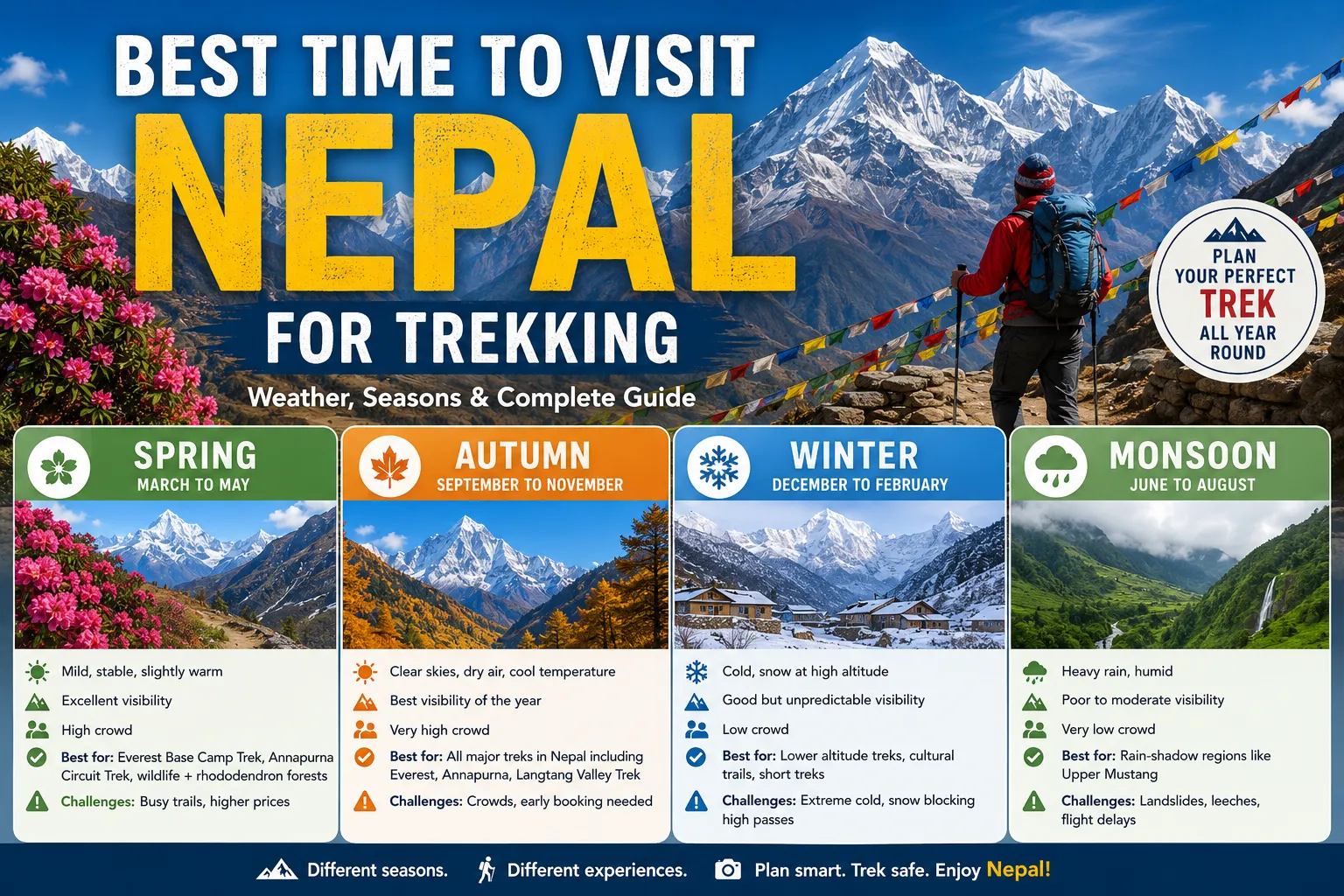
When is the best time to trek to Everest Base Camp?
The best time to trek depends on the weather and visibility.
Ideal Seasons:
- Spring (March to May) - Clear skies, moderate temperature
- Autumn (September to November) - Best visibility and stable weather
Avoid:
- Monsoon (June to August) - Heavy rain and landslides
- Winter (December to February) - Extreme cold and flight delays
How Difficult Is the Everest Base Camp Trek?
The trek is moderately difficult, but it is not technical.
You do not need climbing skills, but you must be physically fit and mentally prepared.
Key Challenges:
- High altitude (up to 5,364 meters)
- Long walking hours (5 to 7 hours daily)
- Cold temperatures
- Limited oxygen levels
Real example: Many trekkers struggle more with altitude than distance. Even fit people can experience altitude sickness if they ascend too fast.
What Are the Accommodation and Food Options?
Accommodation is mainly in tea houses.
What to expect:
- Basic rooms with twin beds
- Shared bathrooms
- Limited heating
Food Options:
- Dal Bhat (rice and lentils) - most reliable
- Noodles, pasta, soups
- Tea, coffee, snacks
Practical Tip: Dal Bhat is the safest and most filling option. It is fresh and often unlimited.
Essential Packing Checklist for Everest Base Camp
Packing smart is critical for your safety and comfort.
Must-Have Items:
- Down jacket
- Thermal layers
- Waterproof trekking shoes
- Sleeping bag (-10°C rating)
- First aid kit
- Water purification tablets
Avoid overpacking. Porters usually carry up to 15 kg per person.
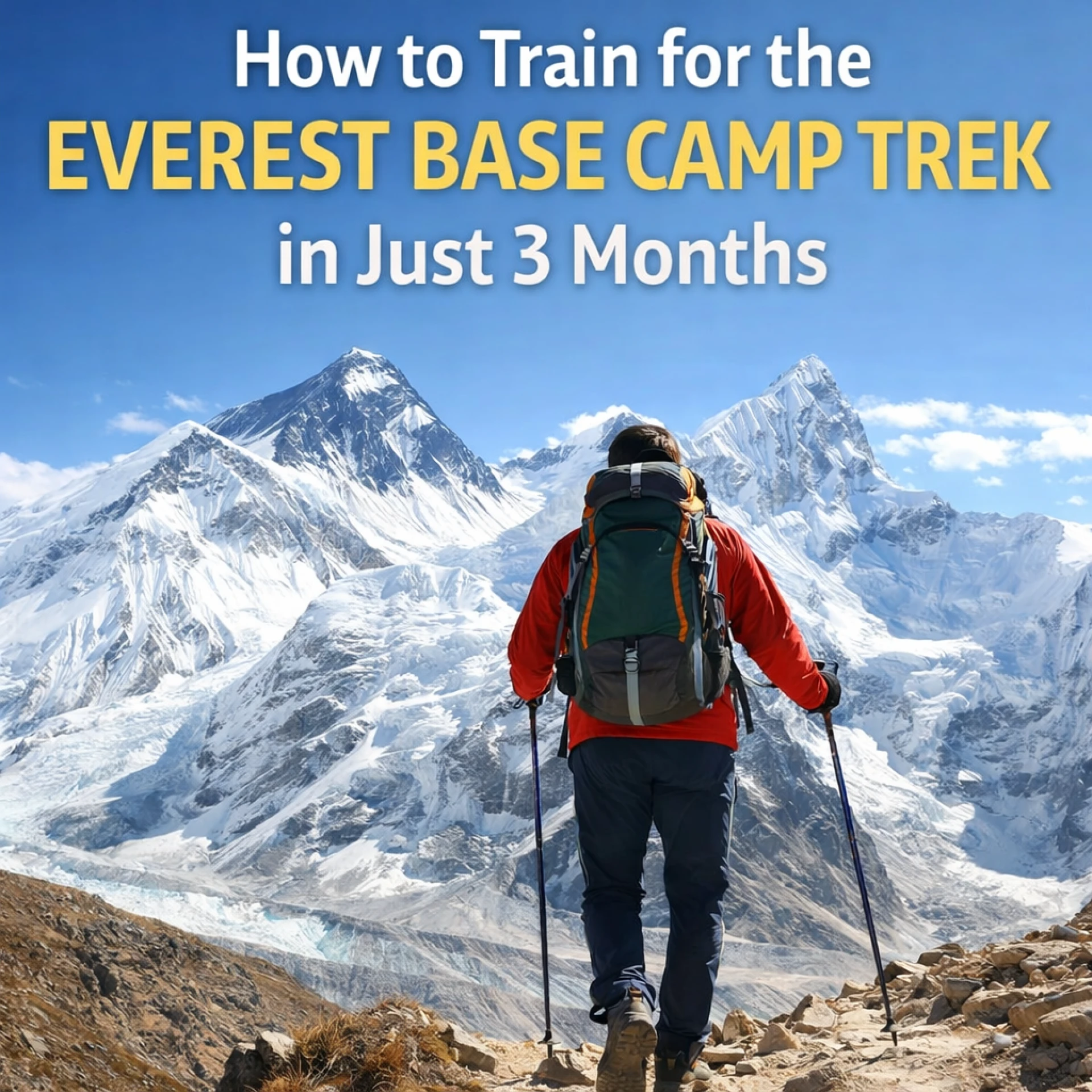
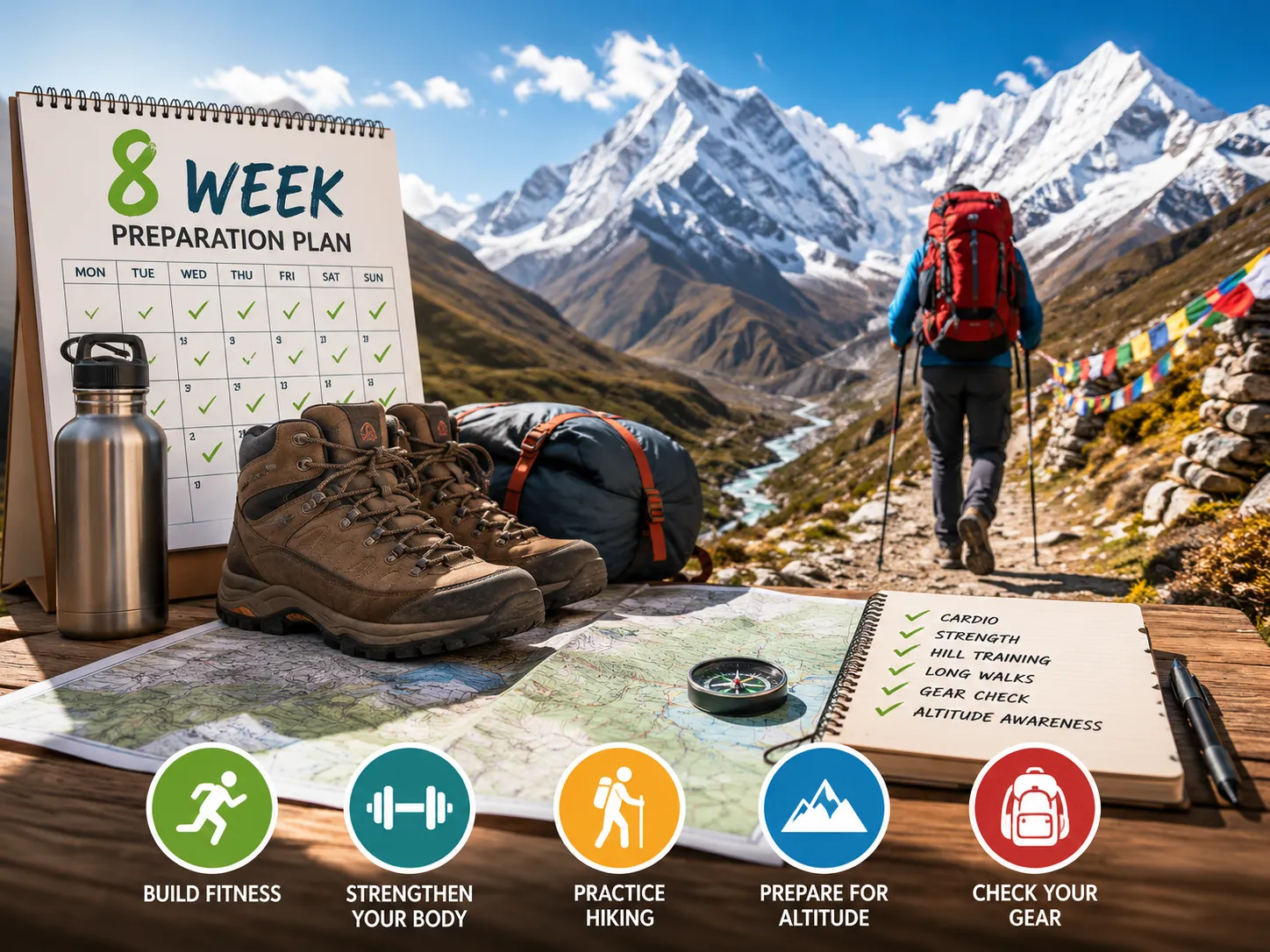
How to Prepare for the Everest Base Camp Trek?
Preparation should start at least 6 to 8 weeks before your trek.
Focus on:
- Cardio workouts (walking, jogging)
- Strength training (legs and core)
- Practice hikes with a backpack
Real insight: Walking on inclines with a loaded backpack gives the most realistic preparation.
Mid-Article Tip (Important)
If this is your first high-altitude trek, consider booking with a well-reviewed trekking company. It reduces stress, ensures safety, and lets you focus on the experience instead of logistics.
What Are the Risks and Safety Guidelines?
Trekking to Everest Base Camp is generally safe if you follow guidelines.
Major Risks:
- Altitude sickness
- Weather changes
- Flight delays to Lukla
Safety Tips:
- Acclimatize properly
- Drink plenty of water
- Do not rush your itinerary
- Follow your guide’s advice
Everest Base Camp Trek 2026 FAQs
1. Is the Everest Base Camp Trek safe in 2026?
Yes, it is safe if you follow the rules and trek with a licensed guide. Most risks come from altitude sickness, which can be managed with proper acclimatization and pacing.
2. Can beginners do the Everest Base Camp Trek?
Yes, beginners can do it with proper preparation. You do not need technical skills, but good fitness and mental strength are important.
3. How long does the Everest Base Camp Trek take?
It usually takes 12 to 14 days, including acclimatization days. Some itineraries may extend to 16 days for better safety.
4. Do I need travel insurance for Everest Base Camp?
Yes, travel insurance is mandatory. It must cover high-altitude trekking and emergency helicopter evacuation.
5. What is the success rate of the Everest Base Camp Trek?
The success rate is high, around 90% or more. Most people who follow proper acclimatization complete the trek successfully.
Final Thoughts - What Should You Do Next?
The Everest Base Camp Trek in 2026 is more regulated, but also safer and better organized. If you plan properly, follow the new rules, and prepare your body, this trek can become one of the most rewarding experiences of your life.
Start by choosing the right season, then pick a trusted trekking agency, and begin your fitness preparation early.
If you are serious about trekking to Everest Base Camp, do not wait until the last minute. Permits, flights, and guides get booked quickly. Plan your trek now, secure your spot, and get ready for a life-changing journey.
Written By: Nepal Hiking Team























Sign in to leave a comment.