

In recent years, the field of regenerative medicine has gained significant attention, particularly in the area of healing peptides. These small chains of amino acids play a crucial role in various biological processes, including healing, recovery, and overall wellness. As researchers delve deeper into the world of peptides, a treasure trove of benefits is being uncovered. This article aims to provide a comprehensive overview of healing peptides, their mechanisms, benefits, applications, and the future of this exciting area of study.
Understanding Healing Peptides
At the core of healing peptides is their fundamental structure: a sequence of amino acids linked together by peptide bonds. These sequences can vary in length and composition, leading to a diverse range of functions within the human body. Healing peptides are particularly known for their ability to stimulate cellular repair, promote tissue regeneration, and enhance the body's natural healing processes.
One key aspect of healing peptides is their ability to communicate with various cells in the body. For instance, they can bind to specific receptors on cell surfaces, triggering a cascade of biological responses that lead to healing and recovery. This interaction is crucial, as it enables the body to respond effectively to injury or disease, ultimately facilitating a quicker return to health.
The Mechanisms of Action
Understanding how healing peptides work involves delving into their mechanisms of action. Once introduced into the body, these peptides can accelerate healing processes by promoting angiogenesis, which is the formation of new blood vessels. This is essential for delivering oxygen and nutrients to damaged tissues, ensuring that they receive the support needed to recover effectively.
Moreover, healing peptides have been shown to modulate inflammation, a common barrier to healing. By regulating inflammatory responses, these peptides can reduce pain and swelling, creating a more conducive environment for tissue repair. Research has indicated that certain peptides can inhibit the activity of pro-inflammatory cytokines, further supporting their role in promoting healing.
Additionally, healing peptides can stimulate stem cell activity, leading to enhanced tissue regeneration. Stem cells have the unique ability to differentiate into various cell types, which is vital for replacing damaged or lost cells. By encouraging the proliferation and differentiation of these cells, healing peptides can significantly contribute to the repair of tissues and organs.
Benefits of Healing Peptides
The benefits of healing peptides extend across various domains, from sports medicine to cosmetic applications. Athletes, in particular, have turned to these peptides to support recovery from injuries and enhance performance. By accelerating the healing process, athletes can return to their training regimens sooner, maintaining their competitive edge.
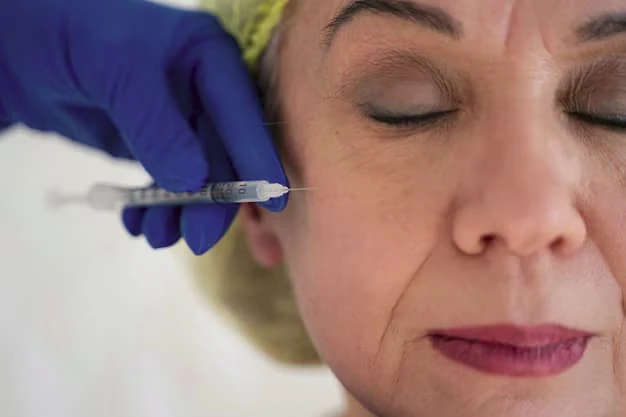
In the realm of aesthetics, healing peptides are gaining traction for their ability to improve skin health. Certain peptides can promote collagen synthesis, leading to firmer, more youthful-looking skin. They can also aid in wound healing by enhancing cellular regeneration and reducing scarring, making them a valuable tool in cosmetic procedures.
Moreover, healing peptides may have applications in treating chronic conditions, such as arthritis or degenerative diseases. By modulating inflammatory responses and promoting tissue repair, these peptides hold promise for patients seeking alternatives to traditional medications, which may come with undesirable side effects.
Applications in Medicine
The versatility of healing peptides has led to their exploration in various medical applications. In orthopedics, for instance, they are being investigated for their potential to repair cartilage and bone. Intra-articular injections of specific peptides have shown promise in reducing pain and improving function in patients with osteoarthritis, offering a novel approach to pain management.
Additionally, healing peptides are being studied in the context of wound healing. Chronic wounds, such as diabetic ulcers, pose significant challenges in healthcare. Peptide-based therapies have demonstrated the ability to enhance healing rates and reduce the risk of infection, providing hope for patients with non-healing wounds.
Beyond orthopedics and wound care, healing peptides are also being researched for their role in neuroprotection. Neurodegenerative diseases, such as Alzheimer’s and Parkinson’s, present complex challenges, but certain peptides may offer therapeutic benefits by protecting neurons from damage and promoting their regeneration.
The Future of Healing Peptides
As research into healing peptides continues to evolve, the future looks promising. Ongoing studies aim to uncover the full spectrum of benefits these peptides can offer, potentially leading to innovative therapies that address a variety of health challenges. Advances in peptide synthesis and delivery methods are also paving the way for more effective treatments.
The integration of healing peptides into mainstream medicine will likely require collaboration between researchers, healthcare providers, and regulatory agencies. As more clinical trials demonstrate their efficacy and safety, healing peptides could become a standard component of treatment protocols across various specialties.
Moreover, the increasing interest in personalized medicine aligns well with the potential of healing peptides. Tailoring peptide therapies to individual patients based on their unique health profiles could enhance treatment outcomes and minimize side effects. This approach signifies a shift towards more precise and effective healthcare solutions.
Conclusion
In summary, healing peptides represent a fascinating intersection of biology and medicine, showcasing the body's remarkable ability to heal and regenerate. Their diverse mechanisms of action, coupled with a wide range of applications, signal a new era in therapeutic interventions. As research progresses, the potential of these peptides could transform how we approach healing and recovery.
For those interested in exploring the benefits of healing peptides, Edge Peptide Therapy stands ready to assist you on your journey to optimal health. With innovative treatments and expert guidance, you can discover how healing peptides can enhance your well-being. Don't wait—take the first step towards a healthier future today!




























Sign in to leave a comment.