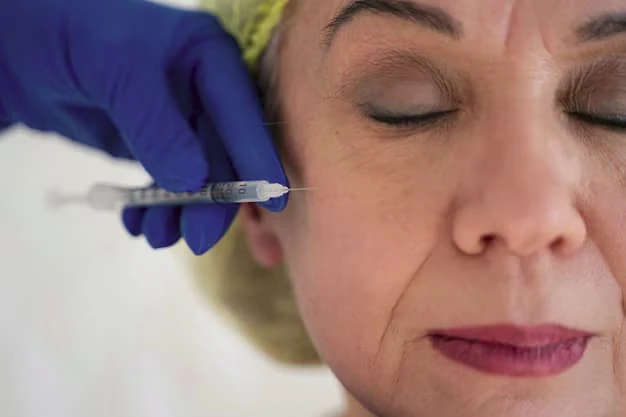

Aging is a natural biological process, but scientific advancements have introduced innovative ways to support vitality and youthful function. Among the most promising developments are Antiaging Peptides, small chains of amino acids that play powerful roles in cellular communication and regeneration. These compounds are increasingly recognized for their ability to improve skin health, enhance energy levels, and support overall wellness. By targeting specific biological pathways, peptides help the body repair itself more efficiently and maintain optimal performance over time.
Understanding Peptides and Their Role in Aging
Peptides are short chains of amino acids that serve as building blocks of proteins. In the human body, they function as signaling molecules that instruct cells how to behave. As individuals age, natural peptide production declines. This reduction can affect collagen synthesis, muscle tone, metabolism, and energy production.
Peptide therapy focuses on replenishing or stimulating specific peptides to restore youthful biological processes. Unlike many topical treatments or supplements that work broadly, peptides can be highly targeted. They communicate directly with cells, triggering precise responses that promote rejuvenation.
How Peptides Support Skin Health
Healthy, youthful skin depends on collagen, elastin, and adequate hydration. With age, collagen production slows, leading to fine lines, wrinkles, and loss of firmness. Certain peptides stimulate fibroblasts, the cells responsible for producing collagen and elastin. This stimulation can help improve skin texture, elasticity, and overall tone.
Some peptides also reduce inflammation and promote wound healing. By encouraging cellular repair, they assist in maintaining smoother and more resilient skin. Over time, consistent support of collagen pathways may visibly reduce signs of aging.
How Peptides Enhance Energy and Vitality
Energy production is closely tied to mitochondrial health and hormone balance. As the body ages, declines in growth hormone, metabolic efficiency, and cellular repair can contribute to fatigue and reduced stamina.
Specific peptides influence hormone signaling and cellular regeneration. By optimizing these pathways, they help support sustained energy, improved recovery, and better physical performance. This effect is especially beneficial for individuals experiencing age related declines in vitality.
Top Peptides for Skin Rejuvenation
Several peptides have demonstrated strong potential in promoting healthier and younger looking skin.
GHK Cu
GHK Cu is a naturally occurring copper peptide found in human plasma. It is widely researched for its role in wound healing and collagen stimulation.
This peptide activates genes responsible for tissue repair and collagen synthesis. It may improve skin thickness, elasticity, and firmness. GHK Cu also has antioxidant properties that protect against environmental damage, which contributes to premature aging.
In addition to cosmetic benefits, it supports overall skin regeneration by promoting blood vessel growth and improving oxygen delivery to tissues.
Matrixyl
Matrixyl is a peptide complex commonly used in skincare formulations. It signals the skin to increase collagen and elastin production.
By enhancing the extracellular matrix, Matrixyl can reduce the appearance of fine lines and wrinkles. Consistent use may result in smoother skin and improved hydration. It works gradually, supporting the skin’s natural renewal process rather than producing temporary surface effects.
Argireline
Argireline is often referred to as a topical alternative to more invasive cosmetic procedures. It works by influencing neurotransmitter release involved in muscle contraction.
By reducing repetitive muscle movements that contribute to expression lines, Argireline may help soften the appearance of wrinkles. While its effects are milder than clinical procedures, it provides a non invasive option for individuals seeking subtle improvements.
Peptides That Support Energy and Performance
Beyond skin health, peptides play an important role in supporting energy, metabolism, and physical performance.
CJC 1295
CJC 1295 is a growth hormone releasing peptide that stimulates the body’s natural production of growth hormone. Growth hormone is essential for muscle repair, fat metabolism, and energy levels.
By encouraging consistent hormone release, CJC 1295 may help improve sleep quality, recovery time, and overall vitality. Increased growth hormone levels are associated with improved body composition and enhanced stamina.
Ipamorelin
Ipamorelin works synergistically with growth hormone pathways while minimizing some of the side effects associated with earlier peptide therapies.
It promotes the natural pulsatile release of growth hormone, which can support muscle development, fat utilization, and improved energy. Many individuals report better recovery after exercise and enhanced overall well being when growth hormone levels are optimized.
MOTS c
MOTS c is a mitochondrial derived peptide that plays a role in regulating metabolism. Mitochondria are responsible for producing cellular energy, and their function often declines with age.
By supporting mitochondrial efficiency, MOTS c may enhance endurance and metabolic flexibility. This can result in better energy utilization and reduced fatigue. Its metabolic effects make it an intriguing option for individuals seeking improved physical performance and healthy aging support.
The Science Behind Peptide Therapy
Peptide therapy works by mimicking or enhancing naturally occurring biological signals. Unlike synthetic chemicals that override bodily systems, peptides encourage the body to perform its normal functions more effectively.
Research continues to expand on how peptides influence gene expression, immune response, and cellular repair. Studies suggest that certain peptides can reset biological markers associated with aging. While more long term research is needed, early findings are promising.
Safety is a critical component of peptide use. Medical supervision ensures appropriate dosing and monitoring. When administered responsibly, peptides have demonstrated a favorable safety profile.
Integrating Peptides into an Antiaging Strategy
Peptides are most effective when combined with a comprehensive wellness plan. Nutrition, exercise, sleep, and stress management all contribute to healthy aging. Peptides enhance these efforts by addressing underlying cellular processes.
Lifestyle Factors That Enhance Results
A balanced diet rich in protein provides the amino acids necessary for collagen and tissue repair. Regular physical activity stimulates natural growth hormone release and supports mitochondrial health.
Adequate sleep is essential because many regenerative processes occur during deep rest. Stress reduction also plays a vital role, as chronic stress can impair hormone balance and accelerate aging.
When these lifestyle elements align with targeted peptide support, individuals often experience more noticeable and sustainable improvements.
Personalized Treatment Approaches
Each individual ages differently. Genetic factors, environmental exposure, and lifestyle habits influence how the body responds to therapy. Personalized peptide protocols allow healthcare professionals to tailor treatments based on specific goals.
Some individuals prioritize skin rejuvenation, while others seek increased energy and athletic performance. A customized approach ensures that peptide selection and dosage align with desired outcomes.
Potential Benefits and Considerations
Peptide therapy offers several potential advantages in antiaging care.
Improved skin texture and elasticity
Enhanced collagen production
Increased energy and stamina
Better recovery from physical activity
Support for healthy metabolism
However, it is important to recognize that peptides are not a cure for aging. Results vary depending on individual biology and adherence to overall health practices.
Consultation with qualified professionals ensures that therapy is appropriate and safe. Proper sourcing and administration are critical factors in achieving positive outcomes.
The Future of Peptides in Antiaging Medicine
Scientific interest in peptides continues to grow. Researchers are exploring new compounds that target inflammation, immune regulation, and cellular senescence. As understanding of molecular biology advances, peptide therapies are expected to become more refined and precise.
The integration of biotechnology with personalized medicine may revolutionize how aging is approached. Rather than simply addressing visible symptoms, peptide based strategies aim to optimize cellular function at its core.
Emerging innovations may include peptides that support cognitive health, cardiovascular function, and metabolic resilience. As research evolves, the role of peptides in promoting longevity and vitality is likely to expand.
Conclusion
Peptides represent a powerful and targeted approach to supporting youthful skin and sustained energy. By enhancing collagen production, optimizing hormone balance, and improving cellular efficiency, they address key biological processes associated with aging. When combined with healthy lifestyle practices and professional guidance, peptide therapy can be a valuable component of a comprehensive antiaging strategy.
For those seeking expert guidance and personalized peptide solutions, Edge Peptide Therapy offers professional support tailored to individual wellness goals.































Sign in to leave a comment.