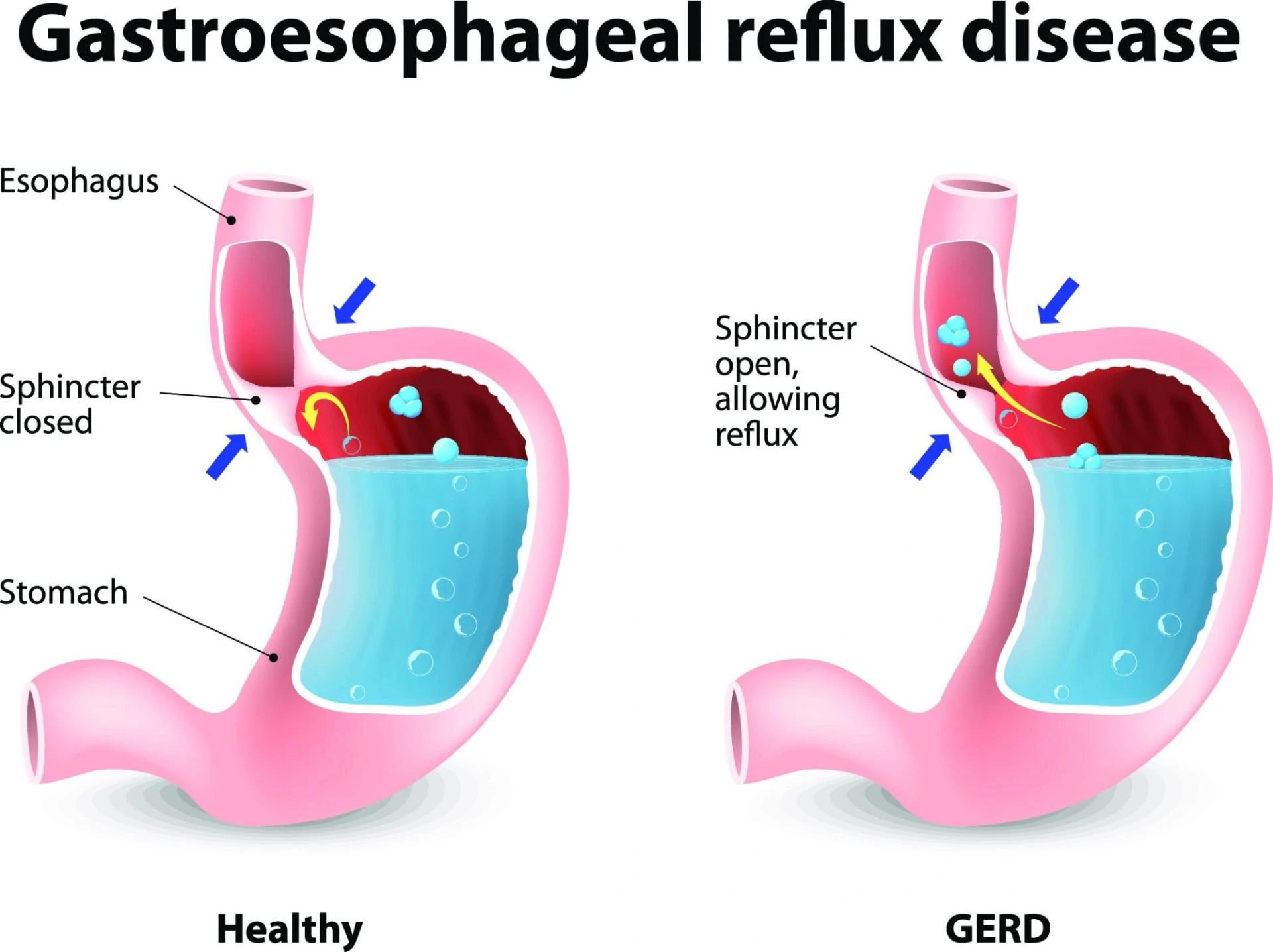
Have you ever felt persistent heartburn, difficulty swallowing, or an uncomfortable pressure in your chest? If so, you might be dealing with a hiatus hernia—a condition where part of your stomach pushes through the diaphragm into your chest. While some cases remain symptom-free, others can significantly impact daily life. For those facing severe symptoms, hiatus hernia surgery may offer lasting relief.
If you’re considering hiatus hernia surgery in Sydney, this article will walk you through everything you need to know, from symptoms and causes to treatment options and what to expect from the procedure.
What is a Hiatus Hernia?
A hiatus hernia occurs when the stomach protrudes through the hiatus, an opening in the diaphragm that connects the oesophagus to the stomach. There are two main types:
- Sliding Hiatus Hernia – The most common type, where the stomach and lower oesophagus slide up into the chest.
- Paraesophageal Hernia – Less common but more serious, as part of the stomach pushes through the hiatus and remains trapped, potentially leading to complications.
While mild cases might not cause noticeable symptoms, larger hernias can lead to chronic acid reflux, difficulty swallowing, and even breathing issues.
Common Symptoms of a Hiatus Hernia
Not everyone with a hiatus hernia experiences symptoms, but for those who do, they can include:
- Persistent acid reflux and heartburn
- A burning sensation or pain in the chest
- Difficulty swallowing (dysphagia)
- Regurgitation of food or stomach acid
- A feeling of pressure or fullness after eating
- Chronic coughing or hoarseness
If these symptoms persist despite lifestyle changes and medication, hiatus hernia surgery might be necessary.
Causes and Risk Factors
Several factors can contribute to the development of a hiatus hernia, including:
- Ageing – The diaphragm weakens over time, making hernias more likely.
- Obesity – Extra abdominal pressure increases the risk.
- Frequent heavy lifting – Straining the abdominal muscles can contribute to herniation.
- Chronic coughing or vomiting – These actions can put excessive strain on the diaphragm.
- Genetics – Some people are simply more predisposed to developing hernias.
While lifestyle adjustments can help manage mild symptoms, surgery is often the best solution for persistent or severe cases.
When is Hiatus Hernia Surgery Necessary?
Doctors typically recommend hiatus hernia surgery when:
- Symptoms are severe and affect daily life.
- Medications (such as antacids or proton pump inhibitors) fail to control acid reflux.
- The hernia is large or at risk of strangulation, which can cut off blood supply to the stomach.
- Patients experience chronic bleeding, ulcers, or difficulty swallowing.
If you’re in Sydney and experiencing persistent discomfort, it may be time to know about hiatus hernia surgery in Sydney as a treatment option.
What to Expect from Hiatus Hernia Surgery
Types of Hiatus Hernia Surgery
Most procedures are performed using laparoscopic surgery, a minimally invasive technique that involves small incisions and faster recovery. The most common surgical approaches include:
- Hernia Repair – The stomach is repositioned back into the abdomen.
- Diaphragm Tightening – The hiatus is stitched to prevent future herniation.
- Fundoplication – Often performed alongside hernia repair, this involves wrapping the top of the stomach around the lower oesophagus to prevent acid reflux.
The Procedure
During laparoscopic hiatus hernia surgery:
- The surgeon makes small incisions in the abdomen.
- A tiny camera (laparoscope) is inserted to guide the procedure.
- The stomach is gently moved back into place.
- The diaphragm opening is tightened with stitches.
- In some cases, additional reinforcement (such as a mesh) is used to prevent recurrence.
Why Choose Hiatus Hernia Surgery in Sydney?
If you’re considering hiatus hernia surgery in Sydney, you’ll have access to some of Australia’s leading specialists in gastrointestinal surgery like Dr Phil Le. Sydney’s medical facilities offer advanced treatment, ensuring high success rates and personalised care.
When selecting a surgeon, look for:
- Extensive experience with hiatus hernia surgery
- Positive patient reviews and success stories
- A hospital or clinic with advanced laparoscopic technology
Final Thoughts
Living with a hiatus hernia can be frustrating, but the right treatment can significantly improve your quality of life. Whether you're managing symptoms with lifestyle changes or considering hiatus hernia surgery taking action is the first step toward relief.































Sign in to leave a comment.