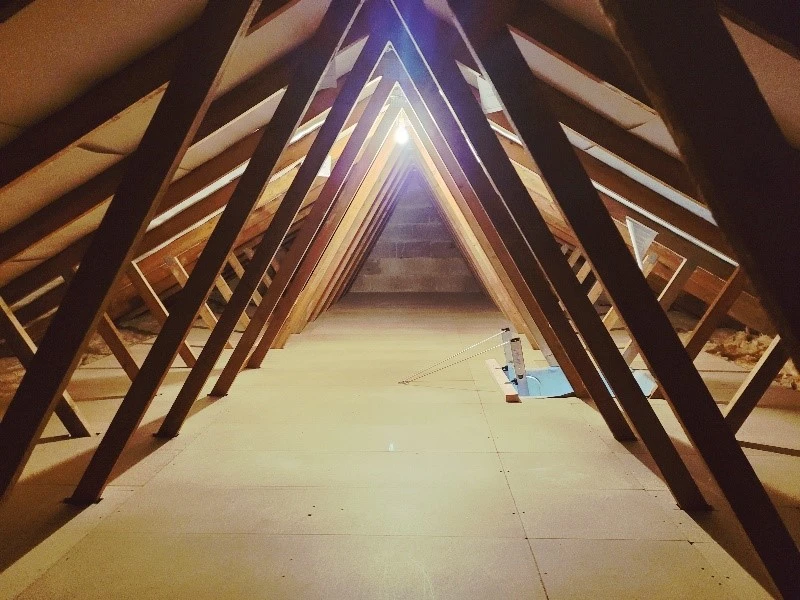

When it comes to enhancing your home's energy efficiency and functionality, insulation and loft boarding play pivotal roles. Proper insulation can drastically reduce heating bills, prevent heat loss, and create a more comfortable home. Loft boarding, on the other hand, offers additional storage and makes your loft more accessible and practical.
In this article, we'll cover everything you need to know about insulation and loft boarding, including the benefits, types of insulation materials, the loft boarding process, and key considerations for your home. Whether you live in an older property or a newly built home, insulation and loft boarding are essential elements that can enhance both comfort and usability.
Why Insulation Is Essential for Your Home
Insulation is one of the most effective ways to keep your home warm in winter and cool in summer. It creates a barrier that helps to trap heat inside during colder months and keeps the warm air out during the summer, providing consistent comfort year-round.
Benefits of Insulation
- Energy Efficiency: Proper insulation reduces the amount of energy needed to heat or cool your home, lowering your utility bills.
- Temperature Regulation: It helps maintain a steady temperature inside your home, eliminating cold spots and drafts.
- Sound Proofing: Insulation acts as a sound barrier, reducing noise from outside or between rooms.
- Environmental Impact: By reducing your energy consumption, you are contributing to a greener environment by lowering your carbon footprint.
Different Types of Insulation
When considering insulation for your home, there are several types of materials to choose from. The right insulation depends on your needs, the area of your home you're insulating, and your budget.
1. Fiberglass Insulation
Fiberglass insulation is one of the most common types used in homes. It is made from tiny fibers of glass and is usually installed in batt or roll form. This material is affordable and highly effective in reducing heat loss and gaining.
2. Foam Board Insulation
Foam board insulation is rigid and can be used in various parts of your home, such as in the loft or attic. It provides excellent thermal resistance and is durable, making it suitable for areas exposed to high moisture levels.
3. Spray Foam Insulation
Spray foam insulation is a liquid that expands upon application. This makes it a great option for hard-to-reach areas and irregularly shaped spaces. It’s particularly effective for reducing air leaks and improving energy efficiency.
4. Mineral Wool Insulation
Mineral wool (or rock wool) is made from natural minerals like basalt and diabase. It offers both thermal and sound insulation properties and is fire-resistant, making it an excellent choice for safety-conscious homeowners.
5. Cellulose Insulation
Cellulose insulation is made from recycled paper products and is often used in attics and loft spaces. It’s an eco-friendly option, offering a high level of thermal protection and soundproofing.
Understanding Loft Boarding
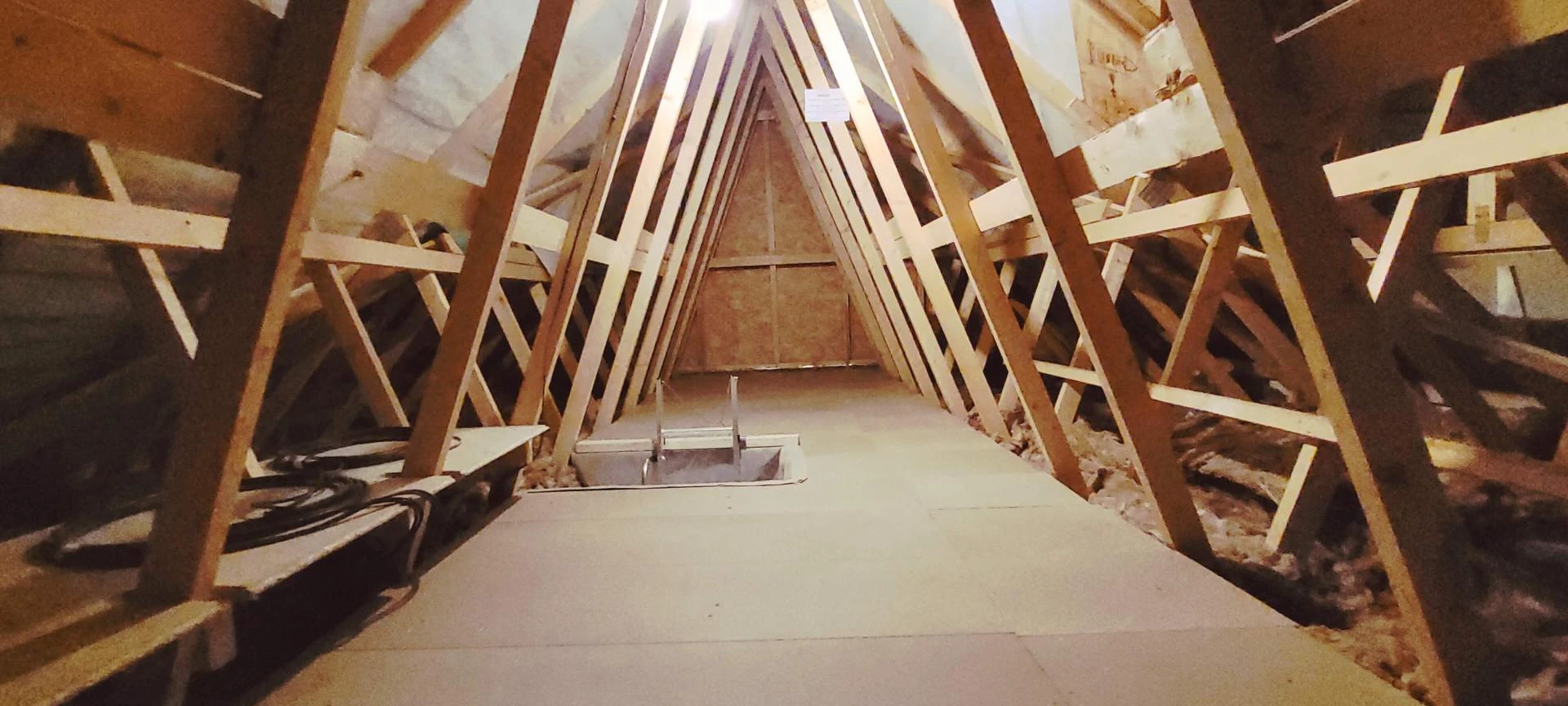
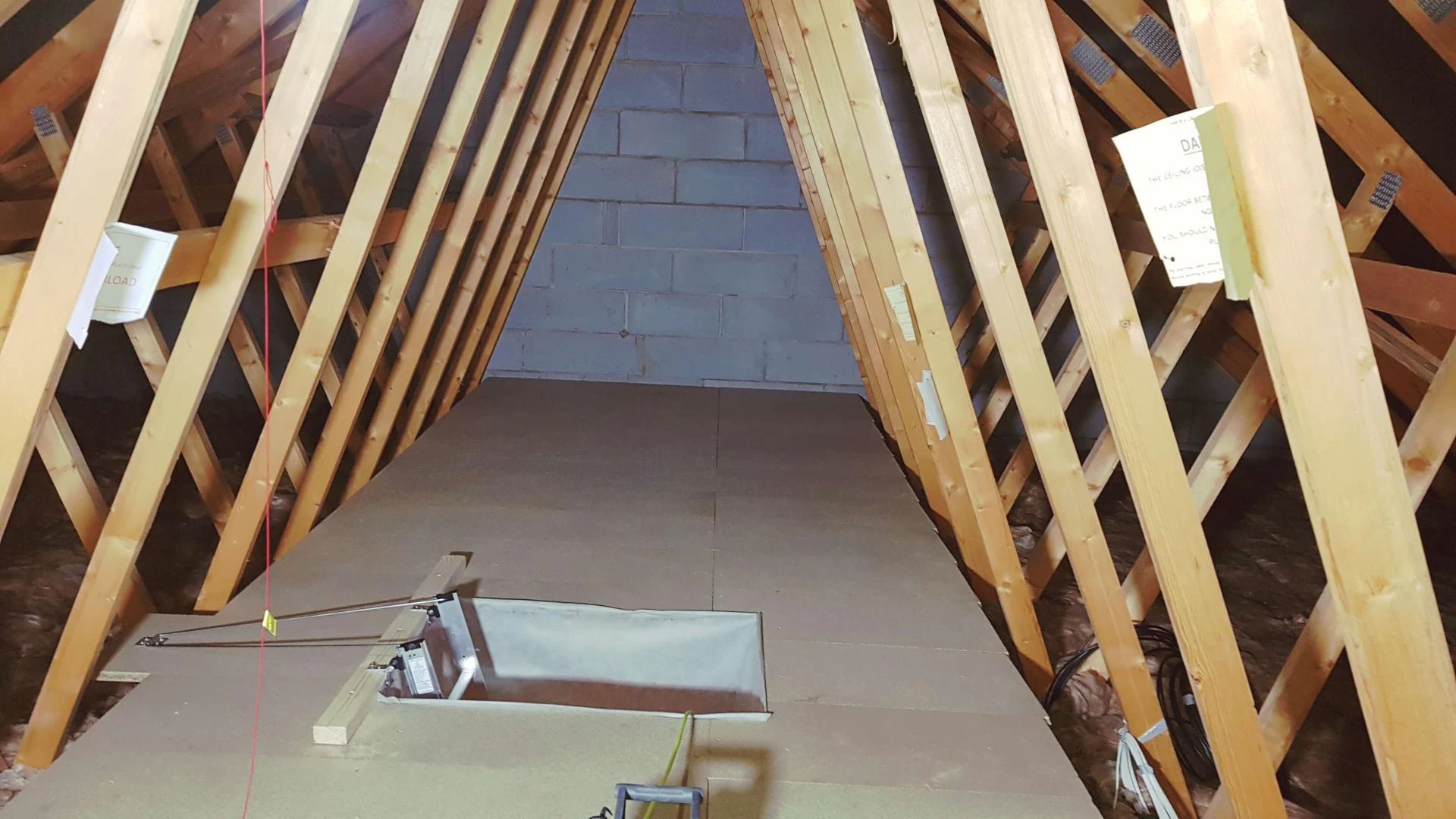
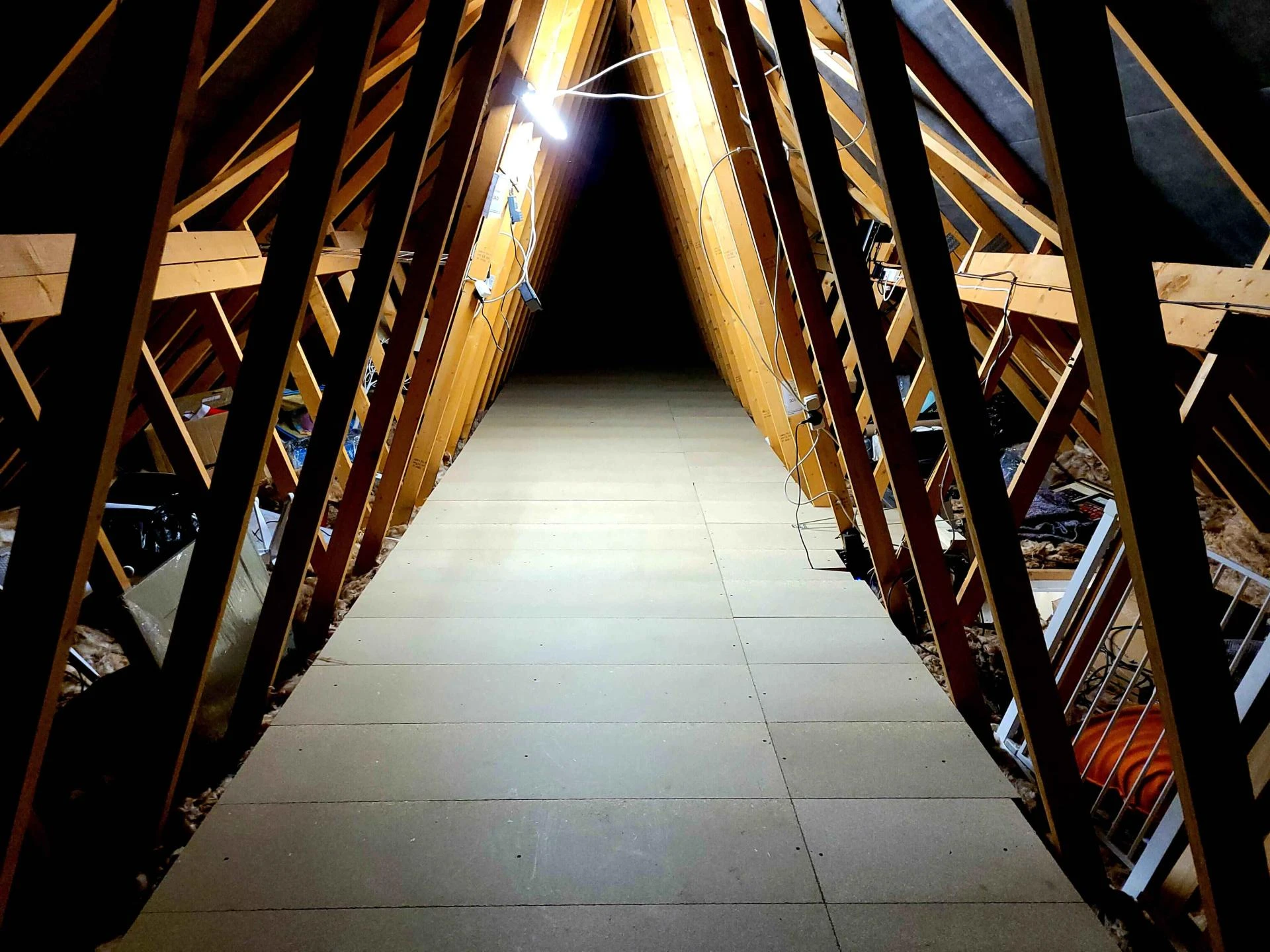
Loft boarding refers to the installation of wooden boards over the insulation in your loft space to create a functional floor for storage or other uses. The process involves laying sturdy boards over the beams or joists, providing a safe and stable platform.
Why Should You Consider Loft Boarding?
- Maximizing Storage Space: Loft boarding provides extra storage space, making it easier to store seasonal items, old furniture, or any items you want to keep out of sight but still accessible.
- Increased Home Value: If done correctly, loft boarding can increase the value of your home, particularly if it is combined with insulation. A well-insulated and boarded loft can be an attractive feature for potential buyers.
- Easy Access: Boarding your loft creates a safe and accessible area for storing items, compared to an unboarded loft where navigating through insulation could be risky or inconvenient.
- Efficient Use of Space: If your home lacks a basement or garage, loft boarding can offer a cost-effective way to maximize your property's available space.
Loft Boarding in New Build Homes
For new build homes, loft boarding can be particularly advantageous. Many new homes are designed with modern, energy-efficient insulation systems in place. Adding loft boarding to these new builds can ensure that the insulation is protected while also creating a useful, accessible storage space. Loft boarding in new build homes is becoming increasingly popular as homeowners look for ways to make the most of the available space in these properties. It’s a smart investment for homeowners looking to make the most of their new property’s space and functionality.
The Loft Boarding Process
While loft boarding might seem like a straightforward task, it’s essential to approach it with care. Here’s a step-by-step guide to help you understand the process.
Step 1: Assessing the Loft Space
Before you begin, it's essential to assess the space. Take note of the type of insulation you already have and make sure it meets current building regulations. In some cases, the insulation may need to be topped up or replaced before loft boarding can be installed.
Step 2: Installing Loft Insulation
If the insulation in your loft is insufficient, now is the time to add more. Loose-fill or blanket insulation can be placed between the beams to achieve the necessary thickness. This will help to maximize the energy efficiency of your home.
Step 3: Laying the Loft Boards
Once the insulation is in place, it’s time to install the loft boards. Start by securing timber battens to the joists of the loft. These battens provide a stable foundation for the boards, ensuring they don't shift over time. Then, lay down the loft boards, leaving a small gap between each for air circulation.
Step 4: Securing the Loft Boards
To ensure the boards remain stable, use screws or nails to secure them to the battens. This will help prevent any movement or sagging, making your loft space safe for storage.
Common Considerations for Loft Boarding
- Access: Make sure there’s an easy way to access your loft, such as a loft ladder or pull-down stairs.
- Ventilation: It's important to maintain good airflow to prevent condensation and mold. Ensure the loft has adequate ventilation before boarding.
- Weight Load: Be mindful of the weight capacity of the loft floor. Overloading the space can lead to structural issues or damage.
Professional Loft Boarding and Insulation Services
While it’s possible to complete loft boarding and insulation on your own, it’s often best to hire professionals. They can ensure that the insulation is installed to the highest standards, and the loft boarding is done safely and securely.
Victorian Insulation is a trusted provider that specializes in loft insulation and boarding services. Their team of experienced professionals can help you enhance the energy efficiency of your home and make the most of your loft space.
Conclusion
Insulation and loft boarding are essential components of a well-functioning home. Proper insulation helps keep your home comfortable and energy-efficient, while loft boarding provides valuable storage space and ensures your attic is safe and usable. Whether you're adding insulation to your loft or looking into loft boarding in new build homes, these steps can significantly enhance the comfort and functionality of your home. If you are considering upgrading your home’s insulation or installing loft boarding, don’t hesitate to reach out to Victorian Insulation for expert advice and services.
FAQs
1. What are the benefits of loft boarding?
Loft boarding maximizes your home's storage space, increases property value, and protects your insulation by creating a stable, accessible surface in your loft.
2. How much does loft boarding cost?
The cost of loft boarding depends on the size of the loft, the materials used, and whether insulation is included. On average, you can expect to pay between £300 and £1,500 for loft boarding services.
3. Can I board my loft myself?
While it's possible to board your loft yourself, it’s recommended to hire professionals to ensure that the insulation is not disturbed, and the boarding is installed correctly and safely.
4. Is loft insulation necessary before boarding?
Yes, you should ensure that your loft has sufficient insulation before boarding. Loft boarding without proper insulation could hinder your home’s energy efficiency.
5. What types of insulation are best for lofts?
Fiberglass, foam board, and cellulose are popular choices for loft insulation. Each has its benefits depending on your home’s needs and climate.


























Sign in to leave a comment.