
In the world of lifting and rigging, wire slings have become essential tools for safely handling heavy loads. These versatile and robust lifting devices are made from wire rope and are commonly used in various industries, including construction, manufacturing, shipping, and oil and gas. Understanding the construction, advantages, applications, and best practices associated with wire slings is crucial for operators and safety professionals. This article aims to provide comprehensive insights into wire slings, equipping readers with the knowledge necessary to utilize these vital tools effectively.
What Are Wire Slings?
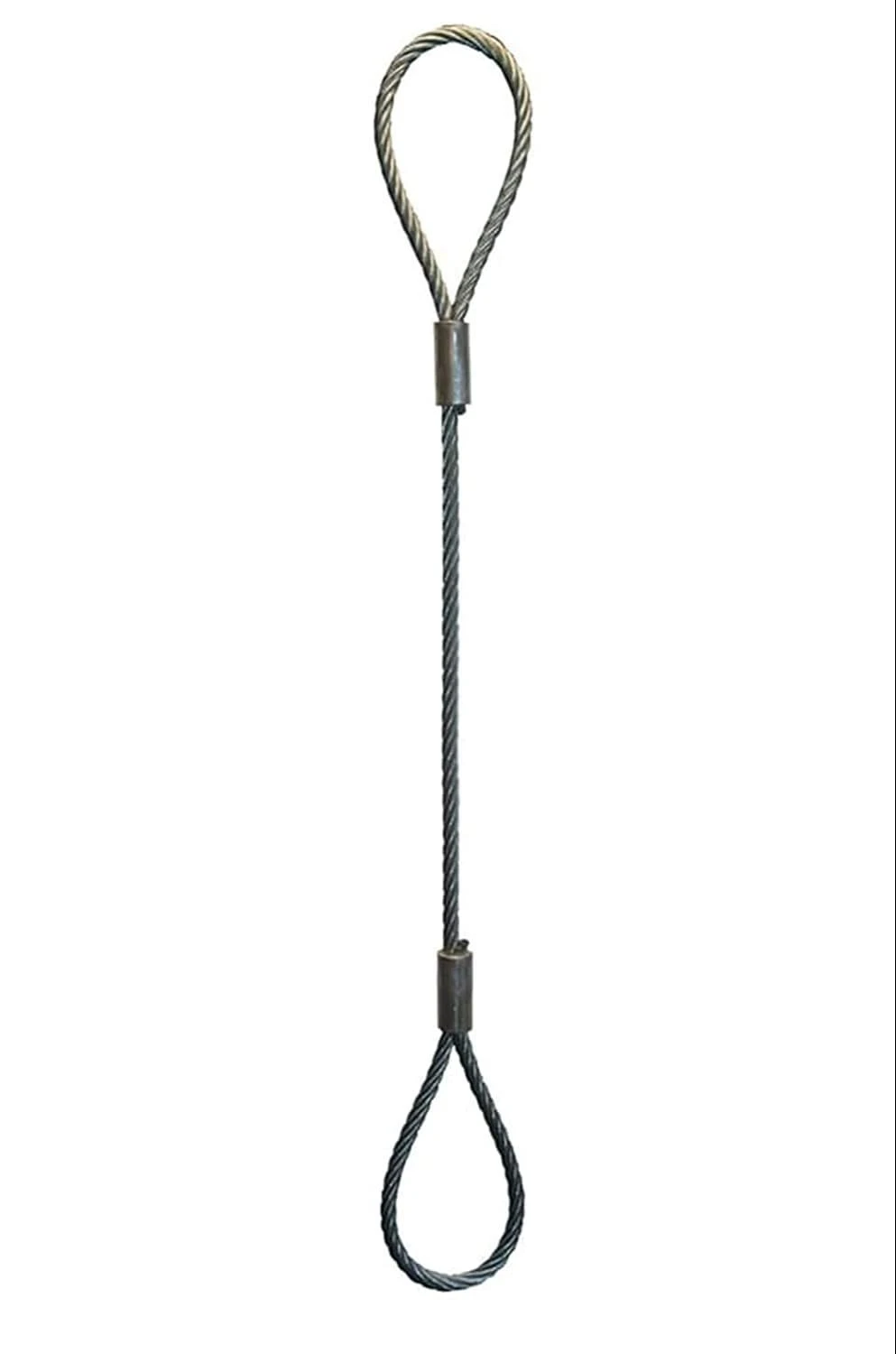
Wire slings are lifting devices made from multiple strands of wire rope twisted together to form a strong, flexible cable. They are designed to bear heavy loads while providing the necessary strength and durability for lifting applications. Wire slings can be configured in various ways, including single-leg, double-leg, and multi-leg designs, allowing for flexibility in handling different types of loads and rigging scenarios.
Construction of Wire Slings
The construction of wire slings involves several key components:
- Wire Rope: The primary material used in wire slings is wire rope, which is typically made from high-carbon steel. The wire rope is often constructed in a specific pattern, known as the lay of the rope, which influences its flexibility and strength.
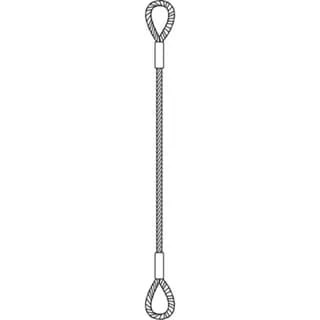
- End Fittings: Wire slings are equipped with various end fittings, such as hooks, thimbles, or eyes, that allow for secure attachment to lifting equipment. These fittings are crucial for ensuring stable connections during lifting operations.
- Protective Coatings: Many wire slings are coated with materials like zinc to enhance their resistance to corrosion and wear. This protective coating is especially important in environments where the slings may be exposed to moisture and chemicals.
Advantages of Wire Slings
Wire slings offer several advantages that contribute to their popularity in lifting operations:
1. Exceptional Strength-to-Weight Ratio
One of the most significant benefits of wire slings is their high strength-to-weight ratio. They can safely handle heavy loads while remaining relatively lightweight, which makes them easy to handle and maneuver. This property is particularly beneficial in industrial settings where heavy machinery and equipment are frequently lifted.
2. Durability and Longevity
Wire slings are designed to withstand harsh conditions, including exposure to moisture, chemicals, and extreme temperatures. Their resistance to wear and tear ensures that they can endure the rigors of heavy lifting operations over time, making them a cost-effective choice for businesses.
3. Flexibility and Versatility
The flexibility of wire slings allows them to adapt to various lifting configurations and load types. They can be used for lifting, towing, or rigging applications, making them suitable for a wide range of industries, including construction, shipping, and manufacturing.
4. High Resistance to Fatigue
Wire slings exhibit excellent fatigue resistance, which is crucial in environments where slings are subjected to repeated loading and unloading. This characteristic ensures that the slings maintain their integrity and performance over extended periods of use.
5. Safety Features
Many wire slings incorporate safety features such as thimbles and protective sleeves to shield against abrasion and enhance load stability. These features contribute to safer lifting operations by minimizing the risk of damage to the sling and the load being lifted.
Applications of Wire Slings
Wire slings are utilized across various industries for a multitude of applications. Here are some common uses:
1. Construction Industry
In the construction industry, wire slings are essential for lifting heavy materials, such as steel beams, concrete blocks, and machinery. Their strength and versatility make them ideal for handling a wide range of construction loads.
2. Shipping and Logistics
Wire slings play a crucial role in the shipping and logistics sector, where they are used to secure and lift cargo containers, pallets, and heavy equipment. Their ability to withstand harsh marine environments ensures that they remain reliable in shipping operations.
3. Manufacturing and Assembly
In manufacturing facilities, wire slings are commonly used for lifting heavy machinery and components during assembly processes. Their flexibility allows for easy maneuvering in tight spaces, enhancing operational efficiency.
4. Oil and Gas Industry
The oil and gas industry relies on wire slings for lifting and rigging operations in challenging environments. Their durability and resistance to corrosion make them suitable for offshore and onshore applications.
Types of Wire Slings
Wire slings come in various configurations, each suited for specific lifting applications:
1. Single-Leg Slings
Single-leg wire slings consist of a single length of wire rope with fittings at both ends. They are straightforward to use and are ideal for direct lifting applications where a simple connection is required.
2. Double-Leg Slings
Double-leg wire slings feature two legs, which provide increased load distribution. This configuration is ideal for lifting heavy or awkwardly shaped loads, as it offers better stability and control during lifting operations.
3. Multi-Leg Slings
Multi-leg wire slings consist of three or more legs and are designed for complex lifting scenarios where load stability is critical. Multi-leg slings distribute the load evenly, reducing the risk of tipping or shifting during lifting.
Best Practices for Using Wire Slings
To maximize the benefits of wire slings and ensure safe lifting operations, operators should follow best practices:
1. Regular Inspections
Conduct thorough inspections of wire slings before each use. Look for signs of wear, fraying, or corrosion. If any defects are identified, the sling should be taken out of service and replaced immediately.
2. Adhere to Load Limits
Always adhere to the specified working load limit (WLL) for wire slings. Overloading a sling can lead to catastrophic failure and pose serious safety risks. Operators should consult the manufacturer's specifications to ensure compliance.
3. Proper Slinging Techniques
Use proper sling configurations and techniques when lifting loads. Ensure that the sling is correctly positioned and that the load is evenly distributed. Avoid using knots in the sling, as they can significantly reduce its strength.
4. Protect Against Abrasion
To enhance the longevity of wire slings, implement protective measures against abrasion. Use protective sleeves, thimbles, or padding to shield the sling from sharp edges or rough surfaces that could cause damage.
5. Store Properly
After use, wire slings should be stored in a cool, dry place, away from direct sunlight and chemicals. Proper storage helps prevent deterioration and extends the lifespan of the slings.
Understanding Wire Sling Ratings
Wire slings are rated based on their lifting capacity, which is determined by several factors, including the diameter of the wire rope, the construction of the sling, and the configuration used. The working load limit (WLL) is the maximum weight that a wire sling can safely lift. It is crucial for operators to understand the ratings of the wire slings they are using to ensure safe lifting practices.
Factors Affecting Wire Sling Ratings
- Diameter of Wire Rope: The thickness of the wire rope directly influences the sling's strength. Thicker ropes can handle greater loads.
- Construction Type: The way the wire rope is constructed—whether it's a 7x19, 6x36, or another configuration—plays a role in determining the sling's strength and flexibility.
- Sling Configuration: The way the sling is arranged (single-leg, double-leg, etc.) affects its load distribution and overall capacity.
Conclusion
Wire slings are indispensable tools in heavy lifting operations, offering exceptional strength, durability, and versatility. Their ability to withstand harsh conditions while providing reliable lifting capabilities makes them a preferred choice across various industries. By understanding the advantages of wire slings, their applications, and best practices for use, operators can enhance safety and efficiency in their lifting operations.
For those seeking high-quality lifting equipment, including wire slings, look no further than UK Lifting Store. Explore our extensive range of products and take the first step toward ensuring the safety and efficiency of your lifting operations. Your success begins with the right tools!


























Sign in to leave a comment.