

Breathing is something we often take for granted—until it's disrupted. If you're struggling with chronic nasal obstruction, persistent congestion, or difficulty breathing through your nose, you might be dealing with a structural issue such as nasal valve collapse or even a septal perforation. These conditions are not just uncomfortable; they can seriously affect your quality of life.
Before you schedule any procedure, it’s important to understand what nasal valve collapse surgery entails, how it relates to septal perforation repair, and what to expect from diagnosis to recovery.
What Is Nasal Valve Collapse?
The nasal valve is the narrowest part of the nasal airway, located inside the nostril where cartilage and soft tissue meet. It plays a key role in regulating airflow. When the nasal valve weakens or collapses, it can block normal breathing and lead to symptoms like:
- Nasal obstruction on one or both sides
- Difficulty breathing through the nose, especially during exercise or sleep
- Nasal congestion that doesn’t improve with allergy medications
- Whistling sounds during inhalation
There are two types of nasal valve collapse:
- Internal Nasal Valve Collapse: Involves the upper part of the nasal passage.
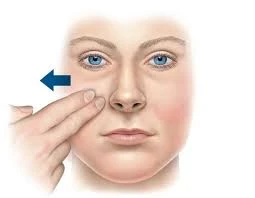
- External Nasal Valve Collapse: Affects the outer side of the nostril and often results in visible nostril collapse when inhaling.
Causes of Nasal Valve Collapse
Some common causes include:
- Previous nasal surgeries like rhinoplasty or septoplasty
- Trauma or injury to the nose
- Aging, which can weaken nasal structures
- Congenital structural abnormalities
It’s important to consult a board-certified ENT or facial plastic surgeon for a detailed nasal examination, including a nasal endoscopy, to confirm the diagnosis.
What Is Nasal Valve Collapse Surgery?
Nasal valve collapse surgery is a corrective procedure aimed at strengthening or reconstructing the weakened nasal valve to improve airflow and restore proper breathing.
Surgical Options:
- Cartilage Grafting: Often, cartilage from the nasal septum, ear, or rib is used to reinforce the nasal valve. These grafts are called “spreader grafts,” “alar batten grafts,” or “butterfly grafts,” depending on placement and function.
- Suture Suspension Techniques: This involves using internal stitches to lift and support nasal structures.
- Implants or Bioabsorbable Devices: In some cases, FDA-approved implants may be used to support the nasal wall.
This surgery is typically performed under local or general anesthesia and may be combined with other procedures like septoplasty or septal perforation repair.
How Is Septal Perforation Related?
A septal perforation is a hole or gap in the nasal septum—the wall between the nostrils. It can occur due to:
- Prior nasal surgeries
- Trauma
- Infection
- Long-term use of nasal sprays or drugs
- Autoimmune conditions
While not all patients with nasal valve collapse have a septal perforation, the two conditions can coexist, especially after previous nasal surgeries.
Septal Perforation Repair
This procedure involves closing the hole in the septum using tissue grafts, flaps, or biomaterials. Repairing the perforation not only relieves symptoms like whistling, crusting, and nosebleeds, but it also restores nasal structure—helping improve the outcome of nasal valve surgery if both are done together.
What to Expect Before and After Surgery
Before Surgery:
- A thorough medical history and nasal exam
- Imaging or nasal endoscopy
- Discussion of your symptoms, goals, and expectations
- Review of risks and recovery timeline
Recovery Timeline:
- Mild swelling, bruising, and nasal stuffiness for the first few days
- Nasal splints or packing may be placed for support and removed within 1–2 weeks
- Most patients return to normal activities within 1–2 weeks
- Full healing and breathing improvements typically take several months
You will have regular follow-ups with your surgeon to monitor progress.
Is Nasal Valve Surgery Worth It?
For patients with confirmed nasal valve collapse, the results can be life-changing. Improved airflow can significantly enhance sleep, physical performance, and overall comfort. When paired with septal perforation repair, patients often report long-term relief and better nasal function.
Conclusion
If you suspect nasal valve collapse or are dealing with the complications of a septal perforation, don’t ignore the symptoms. These are more than minor nuisances—they can severely affect breathing, sleep, and quality of life. A consultation with a nasal specialist can help determine the right surgical plan for you.
Nasal valve collapse surgery and septal perforation repair are highly specialized procedures that require skill and experience. Choose a board-certified ENT or facial plastic surgeon with a proven track record in nasal reconstruction to ensure the best results.




























Sign in to leave a comment.