
Breathing freely is something most of us take for granted—until we can’t. Nasal valve collapse is a structural condition that significantly impairs airflow through the nose, leading to discomfort, snoring, and sleep disturbances. Fortunately, modern medicine offers several effective nasal valve collapse treatments, ranging from non-surgical options to advanced surgical procedures like rhinoplasty. If you're in search of expert care, particularly in a high-standard location such as Beverly Hills, you're in the right place.
In this comprehensive guide, we will explore what nasal valve collapse is, what causes it, its symptoms, and the various treatment options available—including how Rhinoplasty in Beverly Hills can play a crucial role in restoring both function and appearance.
What is Nasal Valve Collapse?
The nasal valve is the narrowest part of the nasal airway and plays a critical role in controlling airflow. A collapse occurs when the walls of the nasal passage become too weak to stay open during inhalation, leading to airway obstruction. This can be partial or complete and is often exacerbated by physical activity or lying down.
Nasal valve collapse is typically categorized into two types:
- Internal Nasal Valve Collapse: Involves the upper lateral cartilage, often affecting airflow near the bridge of the nose.
- External Nasal Valve Collapse: Involves the lower lateral cartilage and typically affects the nostrils.
Common Causes of Nasal Valve Collapse
Several factors may contribute to a weakened nasal valve, including:
- Previous nasal surgeries such as rhinoplasty
- Trauma or injury to the nose
- Aging and the natural weakening of cartilage
- Congenital structural issues
- Chronic nasal inflammation or infections
Understanding the root cause is crucial in choosing the right nasal valve collapse treatment.
Symptoms to Watch For
Some of the most common symptoms associated with nasal valve collapse include:
- Difficulty breathing through the nose
- Noisy or labored breathing
- Nasal congestion without sinus issues
- Frequent sinus infections
- Snoring or disrupted sleep
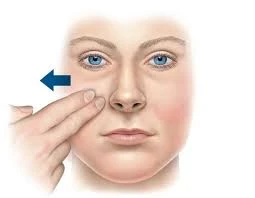
- A sensation of blockage that improves when pulling the cheek or using nasal strips
If you experience any of these symptoms, consult a facial plastic surgeon or ENT specialist for a proper diagnosis.
Non-Surgical Nasal Valve Collapse Treatment Options
For mild cases, non-surgical approaches can provide temporary or even lasting relief:
1. Nasal Strips or Dilators
These devices physically hold the nasal passage open and can be especially helpful during sleep or exercise.
2. Topical Nasal Steroids
Steroid sprays may reduce inflammation in the nasal passage, thereby improving airflow.
3. Allergy Management
If allergies exacerbate symptoms, medications like antihistamines and decongestants can reduce blockage and swelling.
While these options are non-invasive and often the first line of treatment, they may not offer sufficient relief for those with moderate to severe collapse.
Surgical Treatment Options
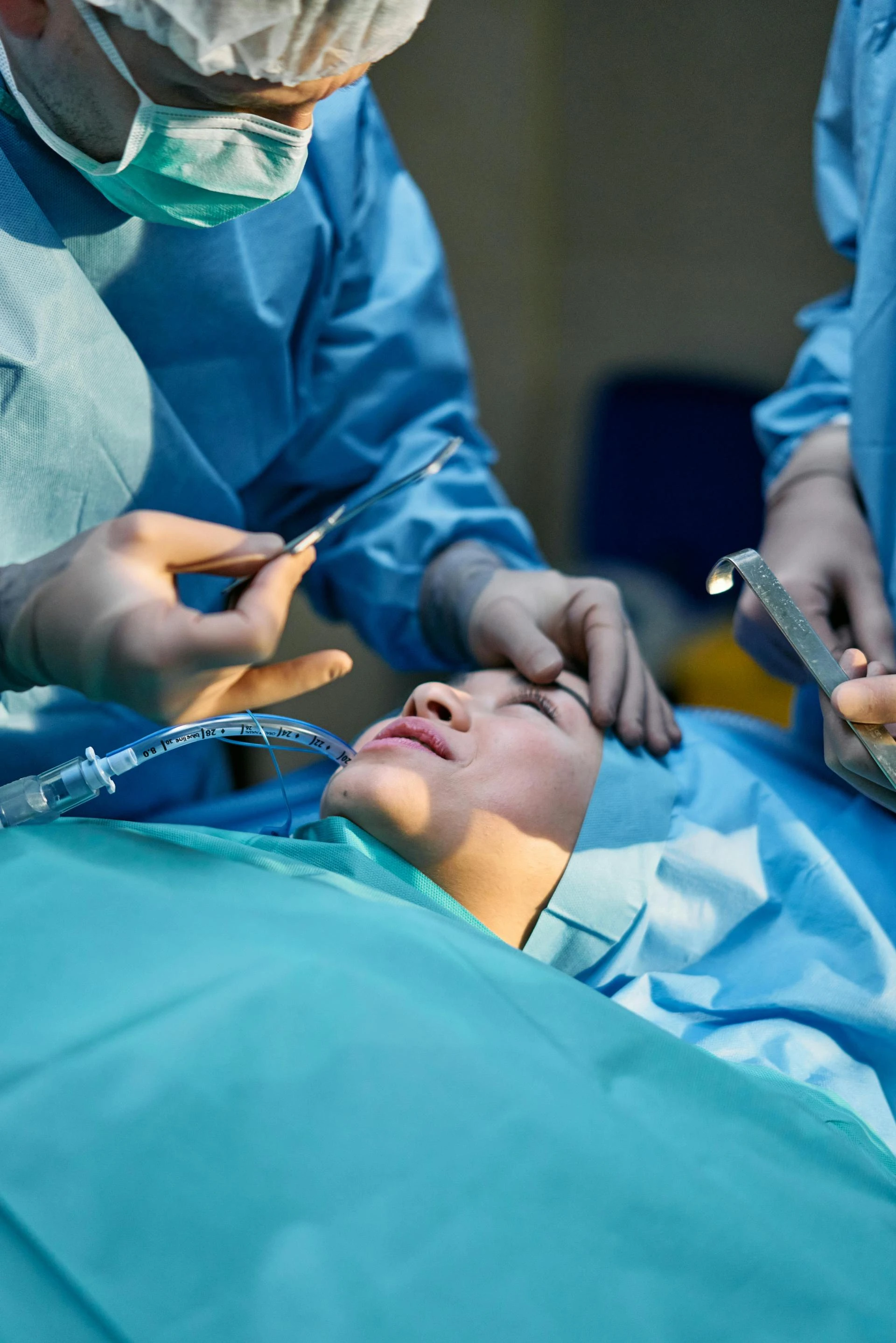
When non-surgical methods are not enough, surgical intervention becomes necessary. In cases of significant structural issues, Rhinoplasty in Beverly Hills is often recommended due to the advanced techniques and skilled surgeons available.
1. Functional Rhinoplasty
Unlike cosmetic rhinoplasty, functional rhinoplasty focuses on restoring proper airflow. This may involve cartilage grafting (spreader grafts, alar batten grafts) to reinforce the nasal valve structure. Surgeons in Beverly Hills specialize in such procedures, combining aesthetic refinement with airway correction.
2. Septoplasty
If a deviated septum contributes to the collapse, septoplasty may be performed to straighten the nasal septum and support the valve area.
3. Latera Implants
A newer technique, Latera implants are bioabsorbable devices placed in the lateral wall of the nose to provide structural support and prevent collapse.
Why Choose Rhinoplasty in Beverly Hills?
Beverly Hills is renowned for its elite network of board-certified facial plastic surgeons who have access to the latest techniques and technology. Opting for rhinoplasty in Beverly Hills ensures a combination of expert functional correction and refined cosmetic results.
Benefits of choosing a Beverly Hills specialist include:
- Access to high-end facilities and post-operative care
- Surgeons with extensive experience in both aesthetic and functional nasal surgery
- Custom treatment plans tailored to your unique facial anatomy
Recovery and Aftercare
Recovery from nasal valve surgery or rhinoplasty varies depending on the procedure but generally includes:
- Mild swelling and bruising for 1–2 weeks
- Nasal packing or splints (in some cases)
- Avoiding strenuous activities for several weeks
- Full recovery and optimal breathing improvement within 6–8 weeks
Most patients report a significant improvement in breathing and quality of life post-treatment.
Final Thoughts
Nasal valve collapse can seriously impact your day-to-day life, but it is treatable. From conservative methods to advanced procedures like rhinoplasty in Beverly Hills, there are multiple paths to better breathing and better living. If you're suffering from symptoms of nasal obstruction, consult a facial plastic surgeon or ENT specialist to explore the best nasal valve collapse treatment for you.























Sign in to leave a comment.