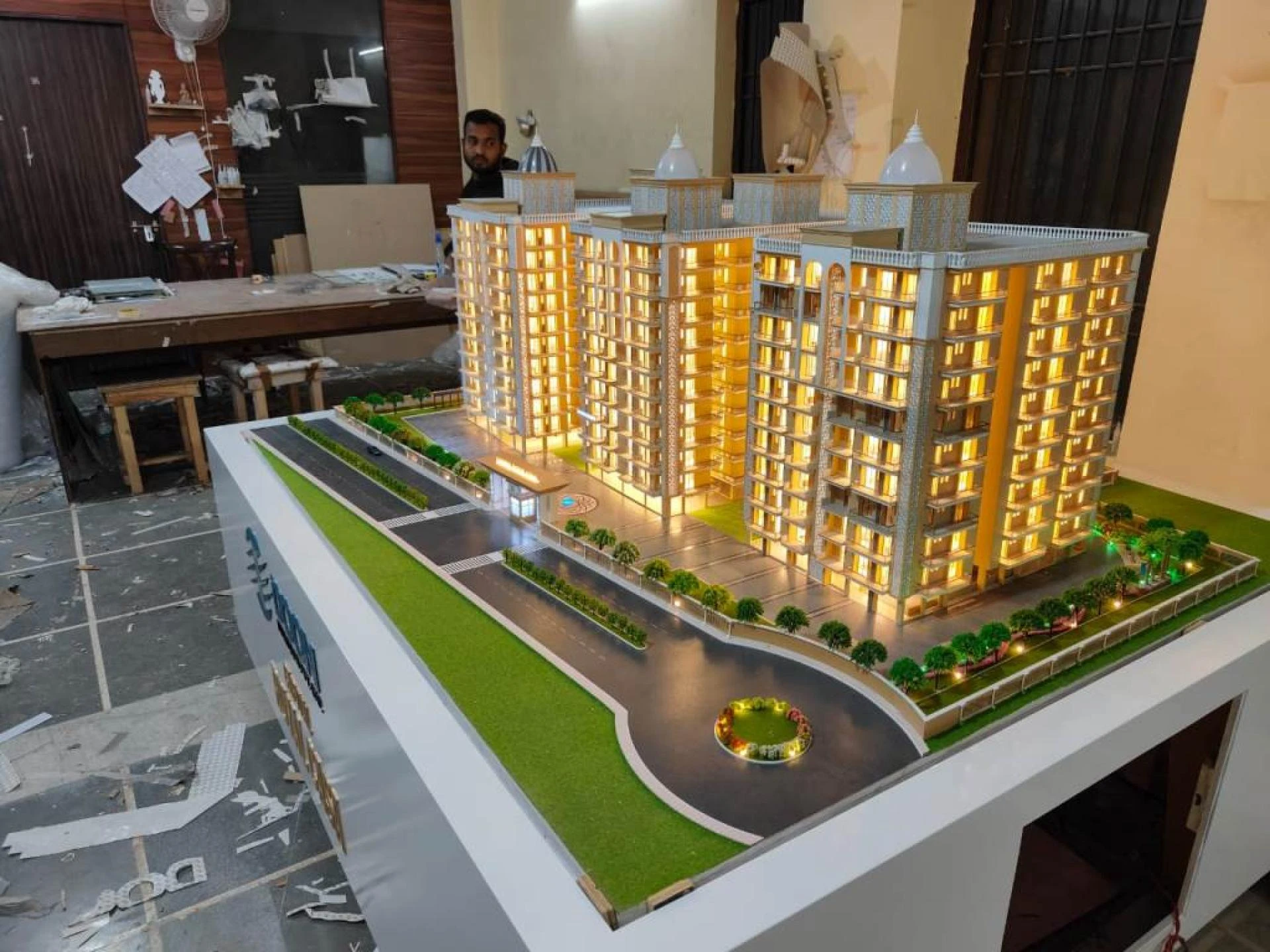

In the world of modern architecture and construction, floor plan 3D models have revolutionized the way professionals design, visualize, and execute projects. Gone are the days when builders and architects relied solely on 2D blueprints to interpret spatial layouts. 3D floor plans bring depth, realism, and interactivity to architectural visualization, ensuring more accurate construction processes and enhanced client engagement.
What is a Floor Plan 3D Model?
A floor plan 3D model is a digital, three-dimensional representation of a building's interior layout. Unlike traditional 2D plans that only show flat outlines of spaces, 3D models incorporate depth, textures, materials, and lighting effects, allowing architects, builders, and clients to experience spaces before physical construction begins.
By using advanced architectural software such as AutoCAD, Revit, SketchUp, and Blender, professionals can create detailed virtual models that accurately depict walls, flooring, furniture placement, and structural elements with precision.
Why Builders & Architects Need 3D Floor Plans
1. Enhancing Spatial Understanding
For builders and construction teams, 3D floor plans eliminate ambiguity by providing a realistic visualization of a building’s layout. This helps in understanding:
- Room dimensions & proportions
- Material placements & surface textures
- Door and window positioning for natural lighting optimization
With a clear visual representation, construction professionals can avoid miscalculations and spatial errors, ensuring smooth execution of architectural designs.
2. Improving Client Communication & Approvals
Clients often struggle to visualize their space using traditional 2D blueprints. With 3D floor plans, architects can:
- Provide immersive walkthroughs to showcase the design.
- Allow clients to explore virtual spaces before construction begins.
- Offer customization options like changing wall colors, flooring, and furniture arrangements.
A more interactive presentation improves decision-making and approval rates, speeding up project timelines.
3. Optimizing Design Modifications
In the early stages of planning, architects may need to make multiple design iterations before finalizing floor layouts. 3D floor plan models allow quick modifications, helping professionals:
- Adjust room sizes and functional spaces with precision.
- Evaluate different materials, finishes, and structural elements.
- Identify and resolve design issues before actual construction starts.
This reduces costly mistakes, ensuring efficient workflow for builders, engineers, and contractors.
The Role of 3D Floor Plans in Construction Planning
While 2D plans remain a foundation for technical measurements, 3D floor plan models bridge the gap between design concepts and practical execution. Builders rely on detailed digital models for:
- Site planning & construction sequencing
- Material estimation & cost analysis
- Safety compliance & workflow organization
By integrating Building Information Modeling (BIM) with 3D floor plans, architects can ensure structural integrity while optimizing project efficiency.
Future Innovations in 3D Floor Plan Modeling
The evolution of AI-driven design tools, virtual reality (VR), and real-time rendering is making 3D floor plans even more immersive and interactive. Future developments will enable architects and builders to:
- Use AI-powered design recommendations for smarter layouts.
- Integrate VR walkthroughs, allowing clients to virtually experience spaces.
- Optimize sustainable construction with energy-efficient floor plan designs.
As 3D floor plan modeling continues to evolve, it will remain an essential tool for builders, architects, and developers, ensuring precision, efficiency, and client satisfaction in modern construction projects.




























Sign in to leave a comment.