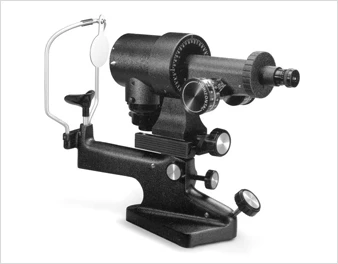

The ophthalmic diagnostic equipment market is undergoing significant shifts in its market scenario, driven by a combination of demographic, technological, and economic factors. The overall outlook suggests that the industry is transitioning from traditional, clinic-based diagnostics toward more accessible, portable, and tech-enabled solutions that cater to diverse patient populations.
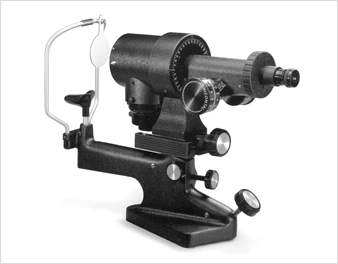
One of the defining elements of the current scenario is the global increase in eye disease prevalence. As populations age, the incidence of cataracts, glaucoma, and age-related macular degeneration continues to rise, particularly in developed nations. Simultaneously, lifestyle factors such as prolonged screen use are contributing to a surge in myopia cases among younger demographics. This growing demand for regular eye check-ups is pushing healthcare systems to invest more heavily in diagnostic equipment.
Technological integration is another key feature of the market’s evolution. The adoption of artificial intelligence in image analysis, cloud-based data storage, and teleophthalmology platforms is redefining the way eye diagnostics are conducted. These advancements allow for earlier detection, remote consultations, and faster reporting times, creating a more efficient patient care pathway.
The market is also seeing a shift in product demand patterns. While high-end hospitals and specialty clinics in developed regions continue to prefer advanced, premium-priced diagnostic systems, rural healthcare centers and emerging markets are prioritizing affordable, portable devices. This segmentation has led manufacturers to diversify their product lines, balancing innovation with cost-effectiveness.
Government policies and healthcare funding are playing a decisive role in shaping market opportunities. Many countries are implementing national eye health programs, subsidizing equipment purchases, and supporting research initiatives. For example, vision screening campaigns in schools and community centers are creating large-scale demand for easy-to-use devices.
From a competitive standpoint, the industry is marked by increasing mergers, acquisitions, and collaborations. Established companies are partnering with technology firms to integrate AI and digital solutions into their offerings, while startups are introducing niche products designed for specific diagnostic challenges.
The COVID-19 pandemic also left a lasting impact on the market scenario. Initially, disruptions in manufacturing and supply chains slowed equipment distribution. However, the crisis accelerated the adoption of non-contact diagnostic tools, portable slit lamps, and at-home screening kits. Teleophthalmology gained significant traction, providing continuity of care during lockdowns and setting a precedent for hybrid care models.
In emerging markets, infrastructure development and increased healthcare spending are enabling the expansion of eye care facilities. These regions, while facing cost and training constraints, are expected to witness higher adoption rates in the coming years as awareness of preventive eye care grows.
Looking ahead, the ophthalmic diagnostic equipment market scenario will likely be defined by a balance between technological sophistication and accessibility. Stakeholders who can tailor their offerings to meet the needs of both premium and cost-conscious segments will be better positioned to thrive in this competitive and fast-changing environment.


























Sign in to leave a comment.