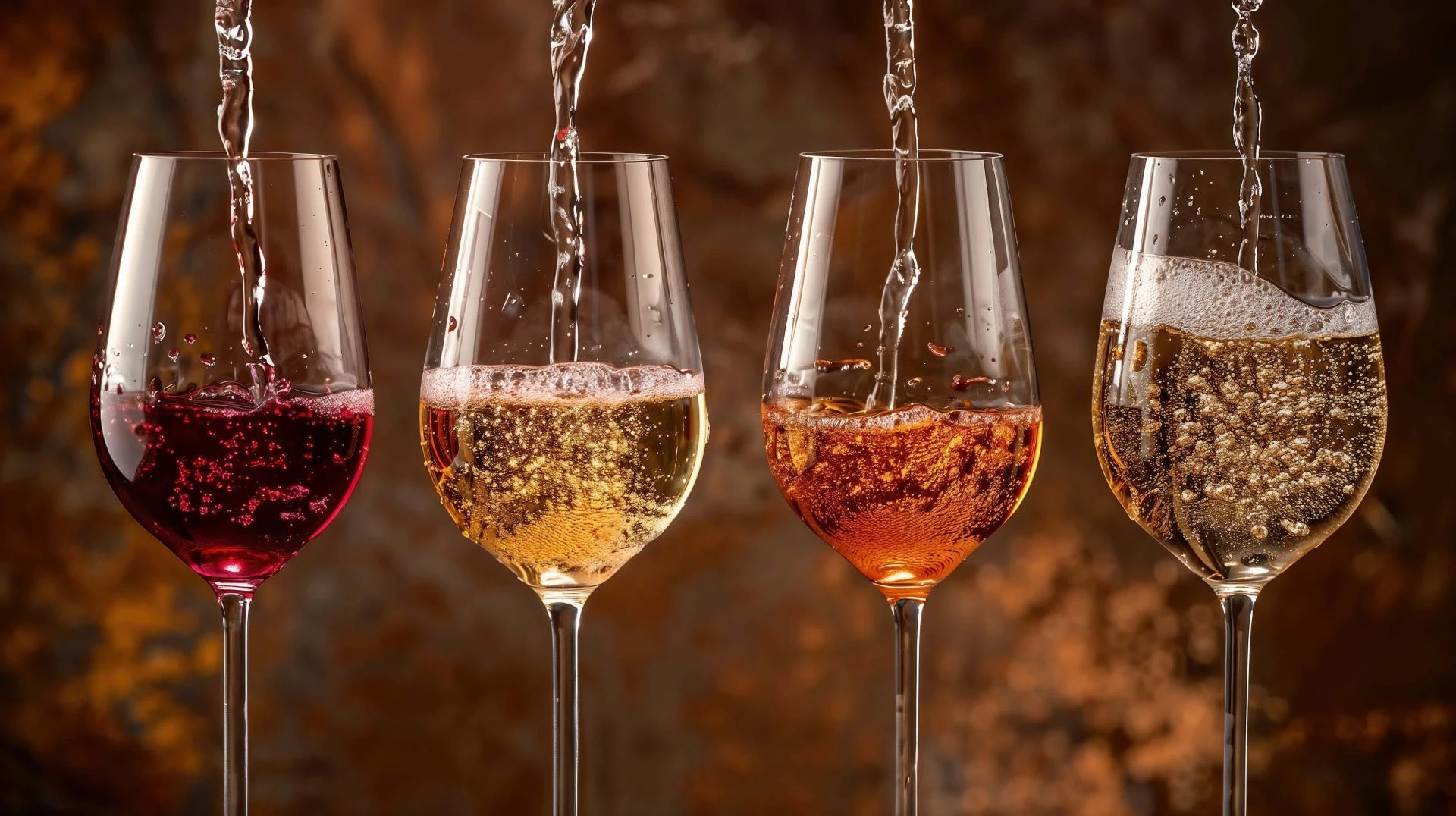

Changing Demographics Drive Consumption Shifts
The sparkling wine market is witnessing a notable shift in its consumer base. While older generations have long appreciated the sophistication of sparkling wine, younger demographics—particularly millennials and Gen Z—are now major contributors to demand. These groups are drawn not only to the product’s flavor but also to its lifestyle associations. They value authenticity, visual appeal, and the storytelling behind each bottle. As a result, brands are refining their marketing strategies to resonate with these younger, socially engaged audiences.
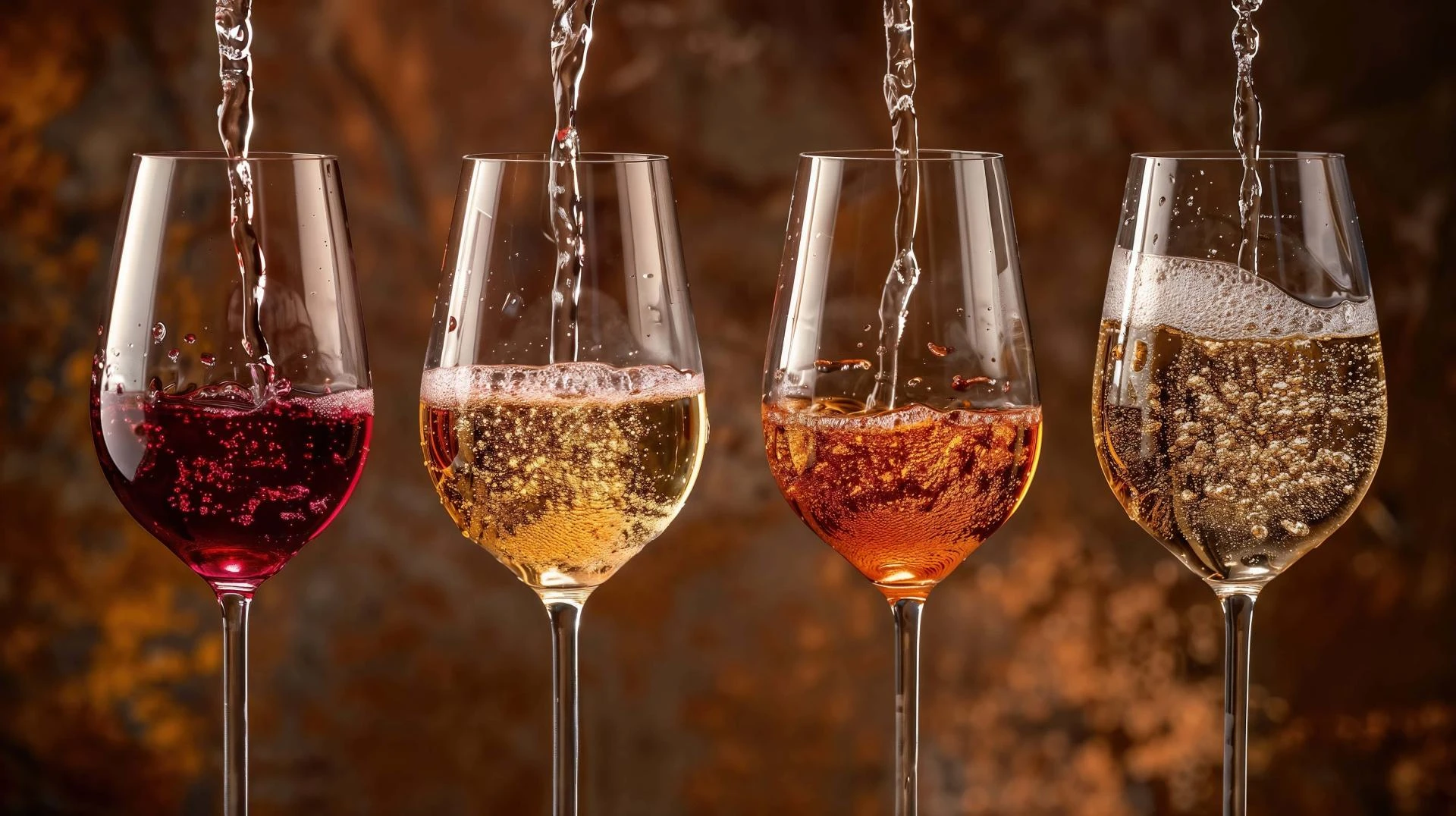
Premiumization as a Core Market Insight
Across both mature and emerging markets, consumers are moving away from low-cost sparkling wines in favor of premium and ultra-premium labels. This premiumization trend is driven by a growing desire for quality, uniqueness, and artisanal craftsmanship. Even in price-sensitive regions, shoppers are increasingly willing to pay more for organic ingredients, small-batch production, or region-specific vintages. This shift is particularly visible in gifting segments and luxury dining experiences, where sparkling wine symbolizes sophistication and thoughtful consumption.
Influence of Lifestyle Branding and Experiences
One of the most powerful insights emerging from the market is the role of lifestyle alignment. Consumers now engage with sparkling wine beyond just taste—it is often seen as an extension of personal style and social identity. Events like “bubbly brunches,” wine picnics, and sparkling wine tasting flights are helping to reposition the beverage from a celebratory indulgence to a casual lifestyle staple. This insight encourages producers to focus not only on production but also on curating experiences around their products.
Regional Preferences and Local Palates
Market behavior varies notably across regions. In Europe, heritage still plays a key role, with countries like France, Italy, and Spain maintaining dominance through traditional brands and protected geographical indications. In North America, consumers show a preference for sweeter blends, rosé sparkling wines, and innovative packaging formats. Meanwhile, the Asia-Pacific region is leaning into fruit-forward profiles and low-alcohol options, driven by new drinkers entering the category. Understanding these preferences allows producers to tailor marketing, packaging, and product development to local tastes.
Consumer Education and Transparency Demand
Modern sparkling wine consumers are more informed than ever, often seeking education on origin, ingredients, and production methods. Labels that include information about grape varieties, fermentation techniques, and vineyard practices are increasingly favored. Transparency in sourcing, ethical labor practices, and environmental impact are no longer optional—they are expected. As a result, producers who offer clear, accessible information build stronger trust and brand loyalty.
Experience-Driven Purchasing Behavior
Rather than shopping solely based on brand recognition, many buyers today choose sparkling wine for the experience it promises. This includes sensory experiences like aroma and mouthfeel, as well as social settings such as garden parties or travel destinations. Limited-edition bottles, artistic labels, and event-specific packaging help reinforce the emotional and experiential aspect of the purchase. This insight highlights the growing role of packaging and brand storytelling in driving consumer decisions.
Evolving Gender Dynamics in Sparkling Wine Consumption
Another critical insight is the changing gender dynamics in the sparkling wine market. Traditionally perceived as a female-preferred beverage, sparkling wine is now being marketed more inclusively. Men are increasingly participating in sparkling wine consumption, particularly in premium and culinary circles. Gender-neutral branding, bold label designs, and culinary pairings have helped broaden the appeal, making sparkling wine a versatile and inclusive beverage choice.
Importance of Occasion-Based Marketing
Occasion-based consumption remains a dominant force but is becoming more nuanced. Beyond major holidays or weddings, consumers are now celebrating smaller life moments with sparkling wine—job promotions, reunions, or even relaxing evenings at home. This shift has encouraged brands to reposition sparkling wine as not just a luxury, but a reward or expression of joy in everyday life. Insight into this trend is guiding product sizing, advertising tone, and the creation of occasion-themed collections.


























Sign in to leave a comment.