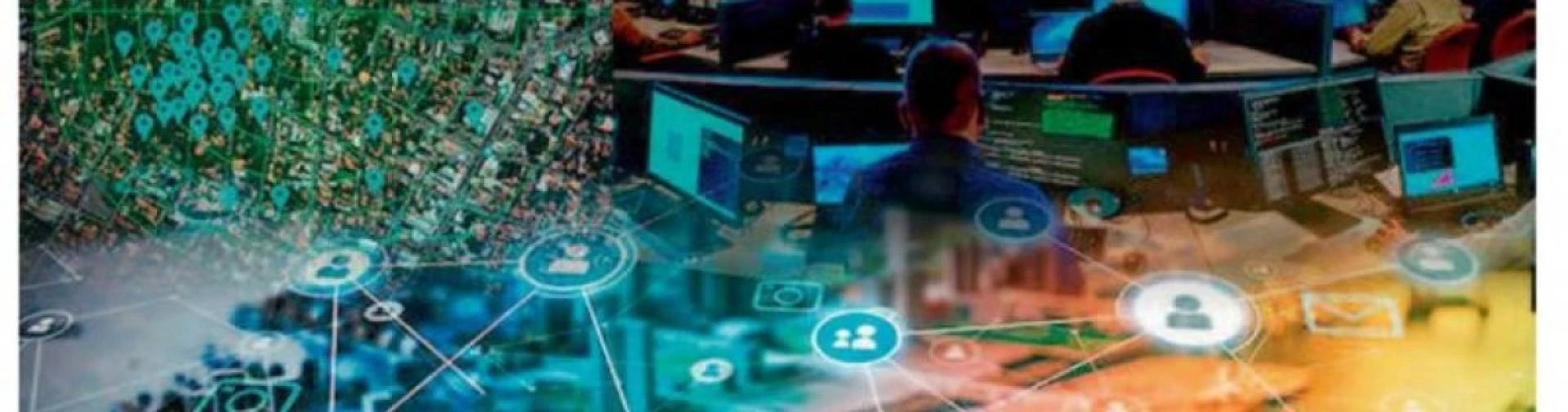

In the ever-evolving landscape of the digital age, modern media stands as a powerful force shaping our perceptions, beliefs, and behaviors. From traditional newspapers and television to the vast realm of social media and online platforms, the influence of modern media is undeniable. This article delves into the multifaceted dimensions of the power of modern media, exploring its impact on society, politics, and culture.
Societal Influence: Shaping Perspectives and Values
Modern media serves as a mirror reflecting society's values, attitudes, and beliefs. Through compelling narratives, news articles, and documentaries, media outlets shape public opinion on a wide array of topics. It educates, informs, and raises awareness about pressing social issues, fostering empathy and understanding among diverse communities. The ability to amplify voices and shed light on marginalized perspectives has transformed media into a catalyst for social change, promoting inclusivity and acceptance.
Political Implications: Redefining Democracy and Governance
The political landscape has been significantly reshaped by the advent of modern media. Political campaigns harness the power of social media platforms to connect with constituents, share policy proposals, and garner support. Moreover, citizen journalism, facilitated by platforms like Twitter and YouTube, enables individuals to report news and express opinions, challenging traditional hierarchies in media production. However, the rise of misinformation and fake news poses a critical challenge, emphasizing the need for media literacy and critical thinking in the digital age.
Cultural Transformation: Bridging Gaps and Fostering Global Understanding
One of the most profound impacts of modern media lies in its ability to bridge cultural gaps and foster global understanding. Through international news coverage, movies, music, and television shows, people are exposed to diverse cultures and traditions, promoting tolerance and appreciation for differences. Online platforms also provide a space for cross-cultural dialogue, encouraging individuals from different backgrounds to share experiences and perspectives, ultimately fostering a sense of global community.
The Digital Age: Empowering Individuals and Communities
The rise of social media platforms and online communities has democratized information dissemination, empowering individuals and grassroots movements. Ordinary citizens can now mobilize public opinion, raise funds for social causes, and organize protests, creating a more engaged and participatory society. Moreover, digital media provides a platform for creative expression, allowing artists, writers, and musicians to reach global audiences without the constraints of traditional gatekeepers.
Challenges and Responsibilities: Navigating the Media Landscape
While modern media offers immense opportunities, it also presents challenges that demand collective efforts to overcome. The proliferation of misinformation, echo chambers, and online harassment poses threats to societal harmony and individual well-being. Media organizations, social media platforms, and consumers alike share the responsibility of promoting accuracy, empathy, and respect in online interactions. Media literacy education becomes paramount, enabling individuals to discern credible sources and critically evaluate information.
In conclusion, the power of modern media is transformative, shaping the way we perceive the world, engage with one another, and participate in the democratic process. Its influence on society, politics, and culture is profound and far-reaching. As we navigate this digital age, it is imperative to recognize the potential of modern media for positive change while actively addressing its challenges. By fostering media literacy, promoting responsible journalism, and encouraging open dialogue, we can harness the power of modern media to create a more informed, inclusive, and connected global society.


























Sign in to leave a comment.