
Overview
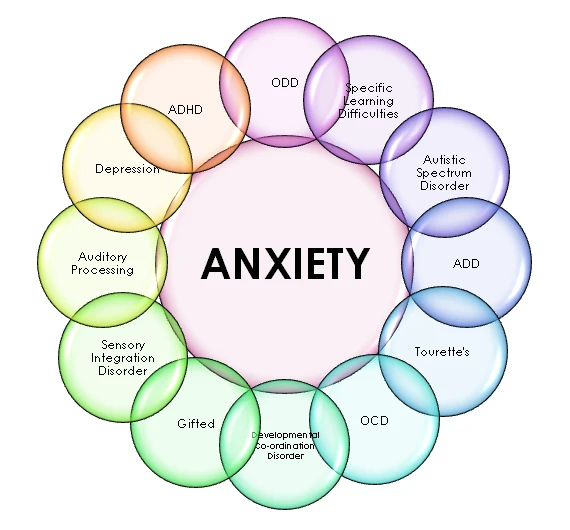
Anxiety is a widespread mental health condition that impacts millions of individuals globally. It has a huge effect on physical health in addition to the psyche. Although worry, fear, and uneasiness are common characteristics of anxiety, its impacts on physical health are sometimes disregarded or undervalued. Comprehending the complex correlation between anxiety and bodily health is imperative for efficient handling and overall wellness.
The Complex Interaction of the Body and Mind
Anxiety impacts several bodily systems; it is not a standalone condition. The physical manifestations of worry are greatly influenced by the mind-body link. Anxiety causes the body to react as though it were under danger, which sets off the fight-or-flight reaction. Stress chemicals like cortisol and adrenaline are released as a result of this reaction, readying the body to respond to the perceived threat.
While in an emergency this response is necessary for survival, chronic exposure to stress hormones can be harmful to one\'s physical well-being. An excessive stress response brought on by persistent worry can exacerbate a number of health conditions, including gastrointestinal diseases, immune system deficiencies, musculoskeletal illnesses, and cardiovascular problems.
Heart-related Conditions
Anxiety has a significant effect on heart health. The risk of hypertension, heart disease, and stroke can be raised by the sympathetic nervous system\'s persistent activation, which can also raise blood pressure and heart rate. Furthermore, a higher incidence of arrhythmias and coronary artery disease is linked to persistent anxiety.
According to studies, people with anxiety problems are more likely than people without anxiety to acquire cardiovascular diseases. Furthermore, worry can aggravate pre-existing cardiovascular problems, making treatment and control more difficult.
gastrointestinal disorders
Emotional and physiological regulation are greatly influenced by the gut-brain axis, a two-way communication connection between the gut and the brain. This delicate equilibrium can be upset by anxiety, which can result in the onset or aggravation of gastrointestinal conditions such ulcers, acid reflux, and irritable bowel syndrome (IBS).
Abdominal pain, bloating, diarrhea, and constipation are among the symptoms of these diseases that can exacerbate worry and anguish, leading to a vicious cycle of physical and mental misery.
Immune Response
Prolonged stress, which is frequently confused with anxiety, weakens the immune system and increases a person\'s susceptibility to infections and diseases. Long-term exposure to stress hormones can weaken the immune system by lowering white blood cell production, which makes the body less able to fight off infections.
According to research, people with anxiety disorders could get infections more frequently and heal more slowly than people without anxiety. Moreover, immunological suppression brought on by stress can make long-term inflammatory diseases like allergies and autoimmune disorders worse.
Disorders of the Musculoskeletal System
Anxiety\'s physical effects affect the musculoskeletal system, causing discomfort, stiffness, and tension. Anxiety is frequently accompanied by persistent muscle tension, which can lead to musculoskeletal conditions such tension headaches, dysfunction of the temporomandibular joint (TMJ), and persistent back pain.
In addition, people who experience anxiety may exhibit habits like clenching their jaw, grinding their teeth, and adopting bad posture, all of which exacerbate musculoskeletal problems. Untreated anxiety-related muscle tension can eventually result in structural alterations and chronic pain disorders that have a major negative influence on day-to-day functioning and quality of life.
The Impact of Lifestyle Elements
Although anxiety can have a major impact on one\'s physical health, lifestyle choices also have a big impact on how anxiety and health are related. Substance misuse, poor eating habits, insufficient exercise, and sleep deprivation can all aggravate anxiety symptoms and hasten the onset of medical problems.
In order to lessen the negative effects of anxiety on physical health, a balanced lifestyle that incorporates regular exercise, a healthy diet, enough sleep, stress management strategies, and constructive coping methods should be used. Deep breathing exercises, yoga, meditation, and mindfulness are examples of relaxation techniques that can be included to support resilience and general well-being.
Methods of Therapy
Comprehensive treatment and management of anxiety must address its psychological as well as its physical components. A popular treatment method for anxiety disorders, cognitive-behavioral therapy (CBT) assists patients in recognizing and combating unhelpful thought patterns and actions that fuel anxiety.
To treat symptoms and rebalance neurotransmitters, doctors may prescribe drugs including benzodiazepines, selective serotonin reuptake inhibitors (SSRIs), and serotonin-norepinephrine reuptake inhibitors (SNRIs). Medication should, however, be taken carefully because of possible negative effects and dependency problems.
Complementary therapies like acupuncture, massage therapy, aromatherapy, and herbal supplements may help relieve anxiety symptoms and encourage relaxation in addition to standard treatment approaches. But before adding these therapies to a treatment plan, it\'s imperative to speak with a medical expert.
In summary
There is no denying the connection between anxiety and physical health, as anxiety has a profound effect on many physiological systems. Effective management and prevention of mental and physical health concerns depend on identifying and resolving this relationship.
Through the implementation of a comprehensive strategy that integrates psychological interventions, lifestyle modifications, and complementary therapies, individuals can reduce the detrimental impact of anxiety on their physical health and improve their overall quality of life. We can encourage a healthy future where mental and physical health are equally valued by raising awareness, educating people, and providing access to comprehensive care.




























Sign in to leave a comment.