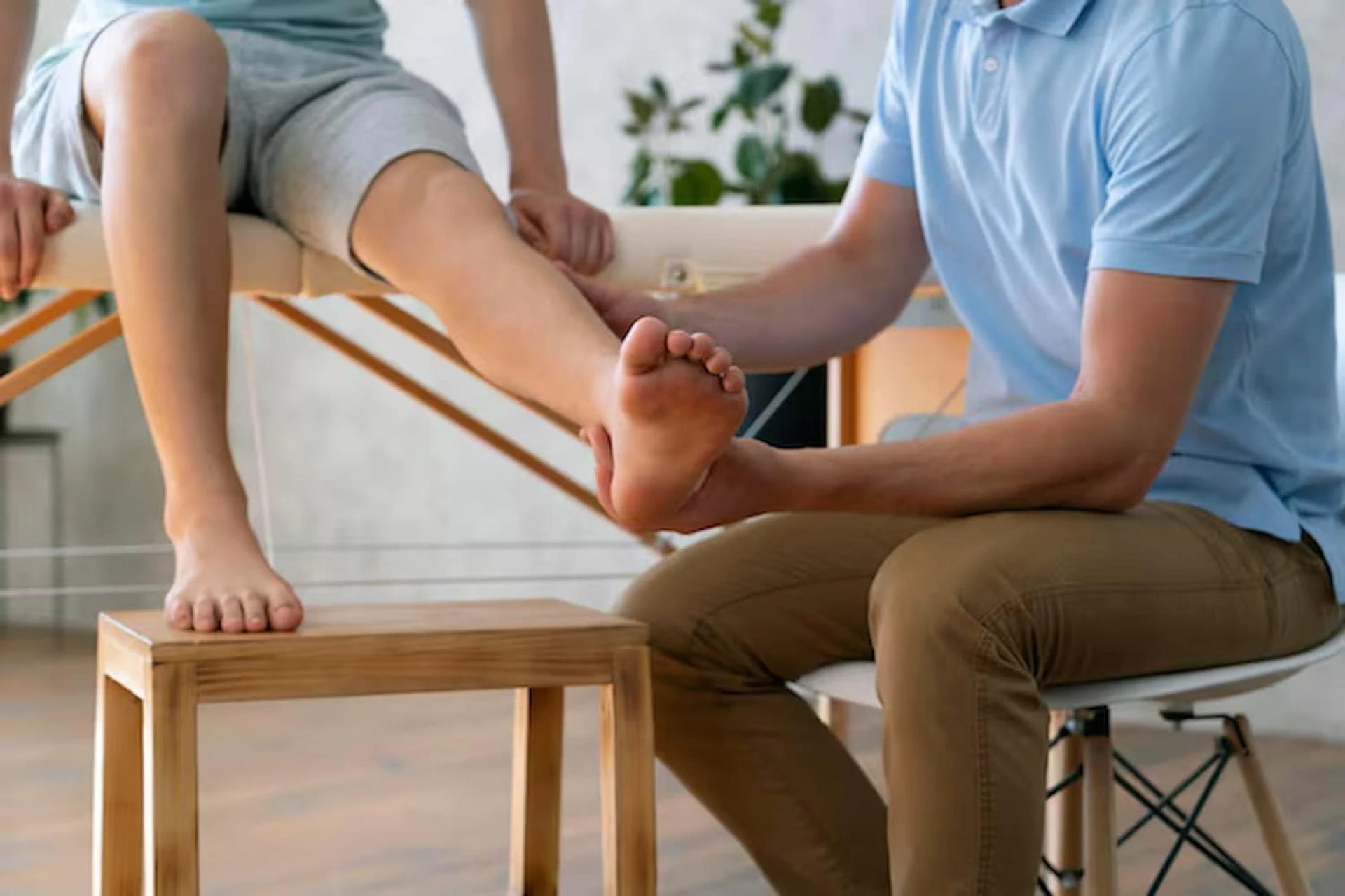
Nerve problems in the feet can affect mobility, balance, and overall quality of life. People experiencing numbness, tingling, burning, or weakness often look for ways to restore nerve function in feet so they can move more comfortably and confidently. Nerve damage in the lower extremities may be linked to diabetes, injuries, circulation problems, or other medical conditions. While medical evaluation is always important, targeted exercises and supportive therapies can play a meaningful role in recovery.
A structured plan that combines physical activity, therapeutic techniques, and lifestyle support may help stimulate nerves, improve blood flow, and strengthen muscles that support foot function. Understanding how these strategies work together can empower individuals to take an active role in their healing process.
Why Nerve Function in the Feet Matters
Healthy nerves allow the feet to sense temperature, pressure, and pain. They also help coordinate muscle movement for walking and balance. When nerves are damaged, communication between the brain and feet becomes less efficient.
Effects of Reduced Nerve Function
People with reduced nerve function may feel unsteady when walking. They may struggle with tasks like climbing stairs or standing for long periods. Lack of sensation can also increase the risk of unnoticed injuries, which may lead to complications.
The Potential for Improvement
Although nerve healing can be slow, the body has a natural ability to repair itself under the right conditions. Exercise and therapy can help create an environment that supports the effort to restore nerve function in feet by enhancing circulation, stimulating nerve pathways, and maintaining muscle strength.
The Role of Exercise in Nerve Recovery
Physical activity encourages blood flow, which delivers oxygen and nutrients essential for nerve health. Regular movement also keeps joints flexible and muscles engaged.
Improving Circulation Through Movement
When muscles contract during exercise, they help pump blood through the legs and feet. Better circulation can support nerve repair and reduce discomfort associated with poor blood flow.
Maintaining Muscle Strength
Weak muscles can worsen balance problems and strain the feet. Strengthening exercises help stabilize joints and improve overall function, making daily activities easier and safer.
Stretching Exercises for Foot and Ankle Flexibility
Flexibility is often reduced when nerve problems are present. Gentle stretching can improve mobility and reduce stiffness.
Calf Stretch
Standing facing a wall, one foot is placed behind the other. Keeping the back leg straight and the heel on the floor, the individual leans forward slightly. This stretch helps maintain flexibility in the calf muscles, which support foot movement.
Toe Flexion and Extension
Sitting in a chair, the person slowly curls the toes downward and then stretches them upward. This movement helps keep small muscles in the feet active and may support efforts to restore nerve function in feet.
Strengthening Exercises for the Feet
Stronger muscles can better support weakened nerves and improve stability.
Towel Scrunch Exercise
A towel is placed on the floor, and the individual uses the toes to pull the towel toward them. This exercise targets small intrinsic muscles in the foot that are important for balance.
Heel and Toe Raises
Holding onto a stable surface, the person slowly rises onto the toes and then rocks back onto the heels. This movement strengthens muscles in the lower legs and feet while also challenging balance.
Balance and Coordination Training
Nerve damage often affects proprioception, which is the body’s sense of position in space. Balance exercises can help retrain this system.
Single Leg Stance
Standing on one foot for several seconds helps challenge stability. Support can be used at first. Over time, this exercise may improve confidence and coordination.
Heel to Toe Walking
Walking in a straight line while placing one foot directly in front of the other encourages controlled movement and balance. This activity can be a helpful part of a plan to restore nerve function in feet.
Sensory Stimulation Techniques
Stimulating sensory pathways may help improve nerve responsiveness.
Texture Exposure
Gently rolling the feet over different surfaces, such as a soft mat or textured ball, can provide varied sensory input. This may help the nervous system become more responsive over time.
Temperature Awareness
Alternating between warm and cool water under guidance can stimulate circulation and sensory nerves. Care should be taken to avoid extreme temperatures.
Therapeutic Modalities That Support Nerve Health
In addition to exercise, several therapies may complement efforts to restore nerve function in feet.
Electrical Stimulation Therapy
Mild electrical impulses can be used to activate nerves and muscles. This therapy may help maintain muscle tone and support nerve signaling.
Light Based Therapies
Certain light therapies are used to encourage cellular activity and improve circulation. Enhanced blood flow can support healing in damaged nerve tissue.
Manual Therapies
Hands on techniques may address soft tissues that surround nerves.
Gentle Foot Massage
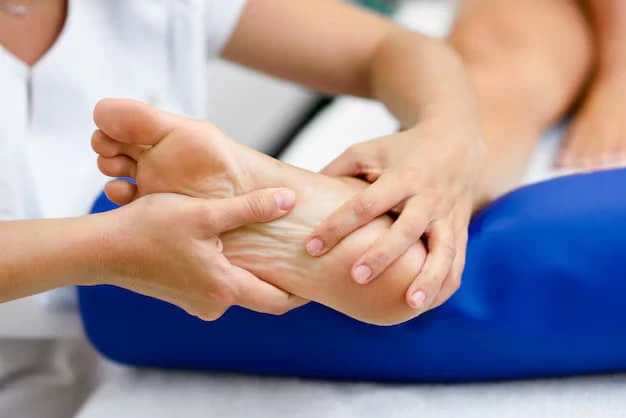
Massage can increase circulation and reduce tension in the feet. Improved blood flow delivers nutrients that nerves need to recover.
Joint Mobilization
Careful movement of joints by a trained professional may improve flexibility and reduce restrictions that affect nerve pathways.
Lifestyle Habits That Support Recovery
Daily choices can influence nerve health just as much as therapy sessions.
Nutrition for Nerve Support
A balanced diet provides essential nutrients that support nerve structure and function. Hydration is also important for overall tissue health.
Blood Sugar Control
Stable blood sugar levels are critical for individuals with diabetes related nerve issues. Good management can help prevent further nerve damage and support attempts to restore nerve function in feet.
Foot Care and Protection
Reduced sensation increases the risk of injury. Proper care is essential.
Daily Foot Checks
Looking for cuts, blisters, or redness helps catch issues early. Prompt attention to small problems can prevent larger complications.
Supportive Footwear
Shoes that fit well and provide cushioning reduce pressure on sensitive areas. This can improve comfort during exercise and daily activities.
Consistency and Patience in Recovery
Nerve repair takes time. Regular participation in exercises and therapies increases the likelihood of improvement.
Tracking Progress
Noting changes in sensation, strength, and balance can help measure progress. Even small improvements are meaningful.
Adjusting the Plan as Needed
As strength and function improve, exercises can be modified to remain challenging and effective. Ongoing guidance from healthcare professionals supports safe progression.
Conclusion
Combining targeted exercises with supportive therapies and healthy daily habits creates a comprehensive approach to restore nerve function in feet. Stretching, strengthening, balance training, sensory stimulation, and therapeutic modalities all play important roles in supporting nerve health. With patience and consistency, many individuals can experience better mobility, improved comfort, and greater confidence in daily life. For those seeking focused care aimed at improving nerve function and lower limb health, Restorative Limb Center is a valuable resource to consider.
































Sign in to leave a comment.