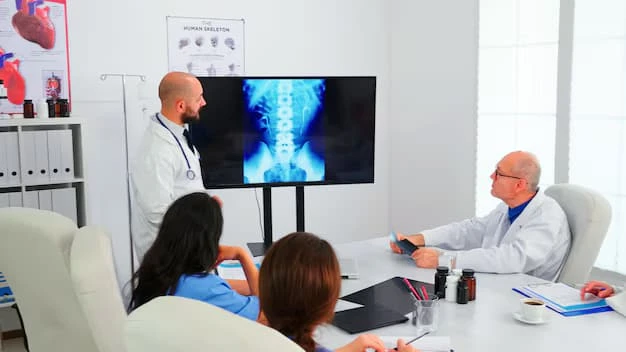
Chronic pain affects millions of people and can significantly disrupt daily life. Among the many forms of discomfort, nerve related pain is often the most complex and frustrating to diagnose and treat. Patients seeking relief frequently face a choice between seeing a general pain management provider or consulting a nerve pain specialist. Understanding the differences between these two approaches can help individuals make informed decisions about their care and long term outcomes.
Pain management is not a one size fits all field. While general pain management physicians treat a wide range of conditions, nerve focused pain requires deeper diagnostic precision and targeted treatment strategies. Exploring how these two paths differ can clarify which option may be most appropriate depending on the source and severity of symptoms.
Understanding Nerve Pain
Nerve pain, also known as neuropathic pain, arises from damage or dysfunction within the nervous system. Unlike muscle or joint pain, it often presents as burning, tingling, stabbing, or electric like sensations. This type of pain can persist even after an injury has healed and may worsen over time if not properly addressed.
Common Causes of Nerve Pain
Nerve pain can develop from many underlying conditions. Diabetes is a leading cause, often resulting in peripheral neuropathy. Spinal conditions such as herniated discs or spinal stenosis can compress nerves and trigger chronic symptoms. Traumatic injuries, repetitive strain, infections, and certain autoimmune disorders may also affect nerve function.
In some cases, nerve pain appears without an obvious cause. This makes accurate diagnosis essential, as treatments effective for inflammatory or mechanical pain may offer little relief for neuropathic conditions.
How Nerve Pain Differs From Other Pain Types
Unlike acute pain that signals injury, nerve pain is often chronic and does not always correlate with visible tissue damage. It can fluctuate unpredictably and may not respond well to standard pain medications. This complexity is one of the reasons specialized care can be beneficial.
What Is a General Pain Management Provider
General pain management providers are trained to evaluate and treat a broad spectrum of pain conditions. Their goal is to reduce discomfort, improve function, and enhance quality of life for patients with acute or chronic pain.
Scope of Treatment in General Pain Management
General pain management typically addresses musculoskeletal pain, post surgical pain, arthritis, headaches, and some nerve related conditions. Treatment plans may include medications, physical therapy referrals, lifestyle modifications, and interventional procedures such as injections.
These providers often serve as the first point of contact for individuals experiencing persistent pain. They play a valuable role in coordinating care and managing complex cases that involve multiple pain sources.
Strengths of a Generalized Approach
The advantage of general pain management lies in its versatility. Patients with overlapping pain conditions may benefit from a comprehensive evaluation that considers muscles, joints, nerves, and overall health. This approach can be especially helpful when pain has multiple contributing factors.
However, when nerve pain is the primary issue, a broader focus may not always deliver the depth of evaluation required for optimal results.
What Defines a Nerve Pain Specialist
A nerve pain specialist focuses specifically on conditions involving the nervous system. This type of provider has advanced training in identifying subtle nerve abnormalities and tailoring treatments to address the underlying cause rather than just symptoms.
Advanced Diagnostic Expertise
Nerve focused specialists use detailed clinical evaluations and specialized testing to pinpoint the source of pain. They assess nerve pathways, sensory changes, and functional impairments that may be overlooked in a general examination. This level of precision can lead to more accurate diagnoses and targeted therapies.
Specialized Treatment Options
Treatment from a nerve pain focused perspective may include advanced nerve blocks, neuromodulation techniques, regenerative therapies, and comprehensive rehabilitation plans. These interventions aim to restore nerve function, reduce inflammation, and interrupt pain signaling pathways.
Because nerve pain often requires long term management, specialists emphasize individualized care plans and ongoing monitoring.
Key Differences in Treatment Philosophy
The primary difference between general pain management and nerve focused care lies in treatment philosophy. General pain management often prioritizes symptom control and functional improvement across various pain types. Nerve focused care prioritizes identifying the specific nerve involved and addressing the root cause of dysfunction.
Symptom Management vs Root Cause Focus
General pain management may rely more heavily on medications and broad interventions that reduce pain perception. While effective for many patients, this approach may not fully resolve nerve related issues.
Nerve focused care aims to modify the underlying nerve pathology. By targeting the source, patients may experience more sustainable relief and reduced reliance on medications.
Personalization of Care
Nerve pain specialists often develop highly personalized treatment plans. They consider the unique characteristics of each patient’s nervous system, medical history, and response to previous therapies. This customization can be particularly valuable for patients who have not found relief through standard approaches.
When to Consider a Nerve Pain Specialist
Not every pain condition requires specialized nerve focused care. However, certain signs suggest that consulting a nerve focused provider may be beneficial.
Persistent or Worsening Symptoms
Pain that persists despite standard treatments or gradually worsens over time may indicate underlying nerve involvement. Symptoms such as numbness, tingling, weakness, or sharp shooting sensations are common indicators.
Limited Response to Conventional Therapies
When medications, physical therapy, or injections provide minimal or temporary relief, a more specialized evaluation may uncover missed factors contributing to pain.
Impact on Daily Function
Nerve pain can significantly impair mobility, sleep, and emotional well being. When pain interferes with basic activities or work performance, a targeted approach may improve overall quality of life.
Collaborative Care Models
In many cases, general pain management providers and nerve focused specialists work together to deliver comprehensive care. Collaboration allows patients to benefit from both broad oversight and specialized expertise.
Coordinated Treatment Planning
A collaborative model ensures that all aspects of a patient’s pain are addressed. General providers may manage overall pain strategies while nerve focused specialists concentrate on specific neuropathic components.
Improved Long Term Outcomes
Patients often achieve better outcomes when care is coordinated. Combining symptom management with targeted nerve therapies can reduce pain intensity, improve function, and support long term recovery.
Patient Experience and Expectations
Understanding what to expect from each type of provider can help patients feel more confident in their care decisions.
Evaluation Process
General pain management evaluations typically focus on pain history, physical examination, and imaging review. Nerve focused evaluations may involve more detailed sensory testing and functional assessments.
Treatment Timeline
General pain management may offer quicker initial interventions, while nerve focused care may involve a more gradual process aimed at lasting improvement. Both approaches require patient engagement and adherence to treatment plans.
Education and Support
Nerve focused specialists often place strong emphasis on patient education. Understanding how nerve pain works empowers patients to participate actively in their recovery and make informed lifestyle choices.
Making the Right Choice
Choosing between general pain management and nerve focused care depends on the nature of symptoms, prior treatment history, and personal goals. Some patients benefit from starting with general care, while others may need specialized attention earlier in their journey.
Open communication with healthcare providers is essential. Discussing symptoms clearly and asking about referral options can help ensure that care aligns with individual needs.
Conclusion
Both general pain management providers and nerve focused specialists play vital roles in addressing chronic pain. General care offers a broad and flexible approach, while nerve focused expertise provides depth and precision for complex neuropathic conditions. Understanding these differences allows patients to make informed decisions and pursue the most effective path toward relief.
For those seeking comprehensive and specialized support in addressing nerve related pain, Restorative Limb Center is dedicated to guiding patients toward improved comfort, function, and quality of life.


































Sign in to leave a comment.