
In the past, medical tools were designed for a single task. A scalpel cut, a stethoscope listened, and a liposuction tube removed fat. Today, medicine tells a different story. Tools once used only for cosmetic change now play a role in advanced cellular science. This shift has opened new doors in how you view healing, recovery, and the future of regenerative medicine.
Modern medicine no longer focuses only on what can be removed from the body. It now asks what can be reused, restored, and reactivated. The idea that discarded tissue might hold healing potential has transformed research labs and clinical thinking alike. This change grew from years of discovery, trial, and a willingness to rethink old assumptions.
From Cosmetic Tool to Medical Gateway
Liposuction entered mainstream medicine as a cosmetic procedure. Surgeons used it to reshape the body by removing unwanted fat. Over time, researchers noticed something important. Fat tissue contains more than stored energy. It holds a rich population of living cells that remain active even after removal.
This discovery sparked a wave of interest. Scientists began to explore how these cells could support healing in other parts of the body. As research advanced, the role of the liposuction tube shifted from simple extraction to something far more meaningful. It became a gateway to valuable biological material rather than just a surgical instrument.
This change marked the beginning of a new chapter in regenerative science. It also challenged the way people think about medical waste. What was once discarded became a resource. That shift reshaped conversations in both cosmetic and medical fields.
The Science Behind Fat-Derived Cells
Fat tissue, also known as adipose tissue, contains a diverse mix of cells. Among them are cells capable of supporting tissue repair and regeneration. These cells respond to signals from damaged areas and help guide healing processes. This natural ability makes them a powerful focus of research.
Scientists discovered that these cells remain viable after extraction when handled properly. That finding opened the door to new techniques and tools designed to preserve and process fat in ways that protect cellular quality. It also led to the development of specialized systems to store and prepare this material for further use.
Redefining Medical Equipment
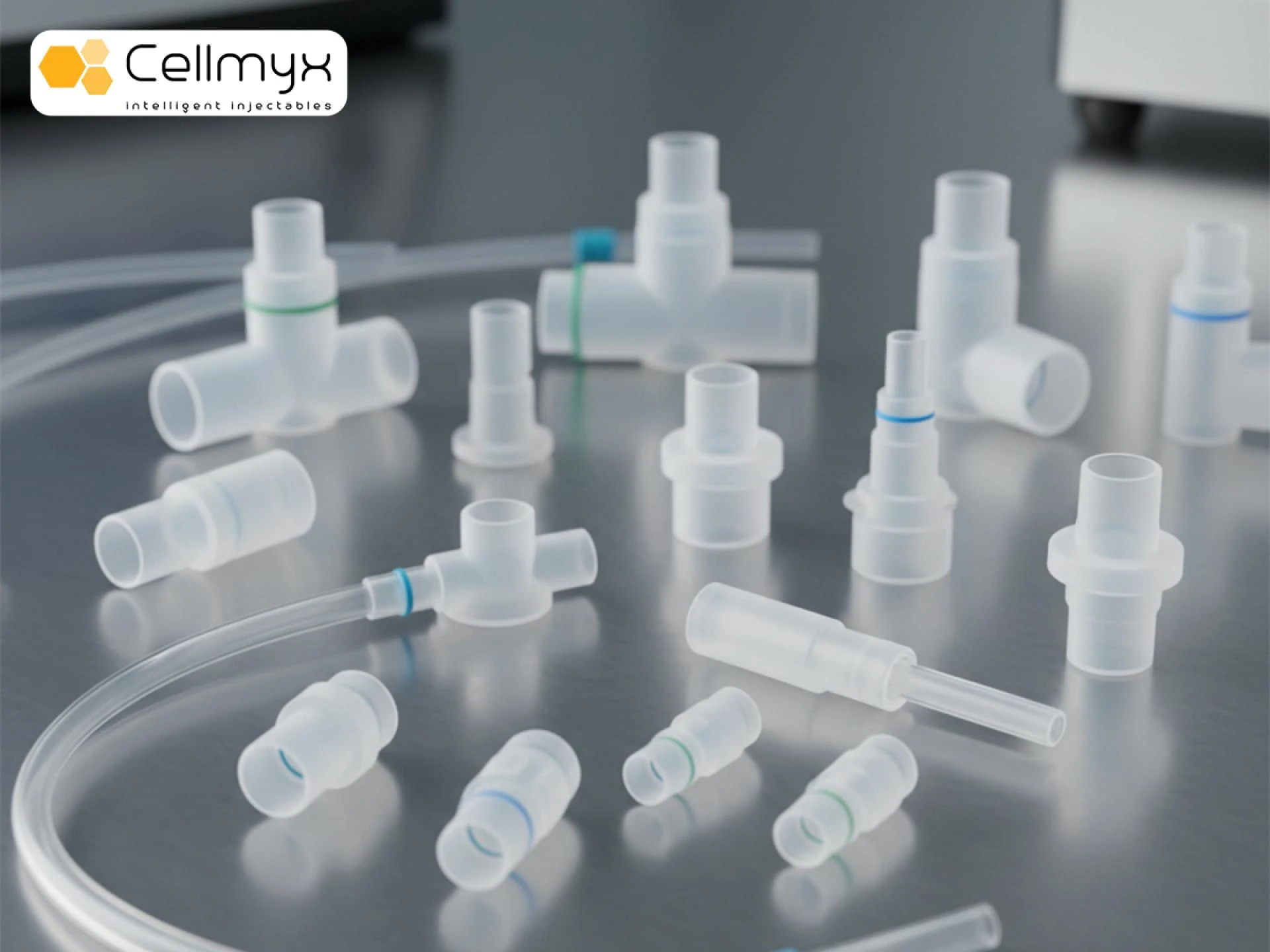
Medical tools evolve alongside scientific understanding. As the role of fat tissue changed, so did the equipment used to collect and process it. The liposuction fat container became more than a storage device. It turned into a critical part of the cellular workflow, helping maintain sterile conditions and protect the material during transfer. This shift required new design thinking. Containers had to support precise handling, minimize exposure, and ensure that the collected tissue remained usable. Engineers and clinicians collaborated to create systems that align with modern regenerative standards.
Beyond storage, the liposuction fat container now supports consistency and safety across clinical settings. It helps standardize how tissue moves from collection to processing, reducing variation and supporting reliable outcomes. This evolution reflects how even simple tools can influence complex systems.
By improving how biological material is handled, modern equipment strengthens the bridge between surgical practice and regenerative science, making cellular workflows more aligned with research standards and clinical expectations. This shift encourages collaboration and long-term thinking across the healthcare ecosystem today.
How Regenerative Thinking Changed Medicine
Regenerative medicine focuses on supporting the body’s natural ability to heal itself. Instead of relying only on external treatments, it aims to activate internal repair systems. Fat-derived cells fit naturally into this approach. They come from the patient and align with the body’s own biological processes.
This philosophy has changed how clinicians view recovery. Healing is no longer just about closing wounds or reducing symptoms. It now involves restoring function, improving tissue quality, and supporting long-term wellness. This broader perspective reshapes treatment planning and patient care.
A Shift in Perspective
The transformation of the liposuction fat container from a passive tool into an active part of cellular science reflects a deeper shift in medicine. It shows how value can be found in unexpected places. It also highlights the importance of curiosity and openness in medical progress.
This new perspective encourages professionals to look beyond traditional boundaries. It invites them to ask new questions and explore new possibilities. In doing so, they contribute to a more dynamic and responsive healthcare system.
The Closing Thoughts: Looking Toward the Future
The journey of the liposuction tube offers a powerful example of how innovation often begins with rethinking the familiar. It reminds us that progress does not always require new inventions. Sometimes, it requires new ways of seeing what already exists. As regenerative science advances, the connection between surgical tools and cellular healing will likely deepen. New technologies will emerge, and existing ones will continue to adapt.
This ongoing evolution promises to shape the future of medicine in ways you are only beginning to understand. The story of this transformation reflects a broader truth about healthcare. Growth happens when science, technology, and imagination work together. By embracing this mindset, medicine can continue to unlock new paths to healing and restoration.























Sign in to leave a comment.