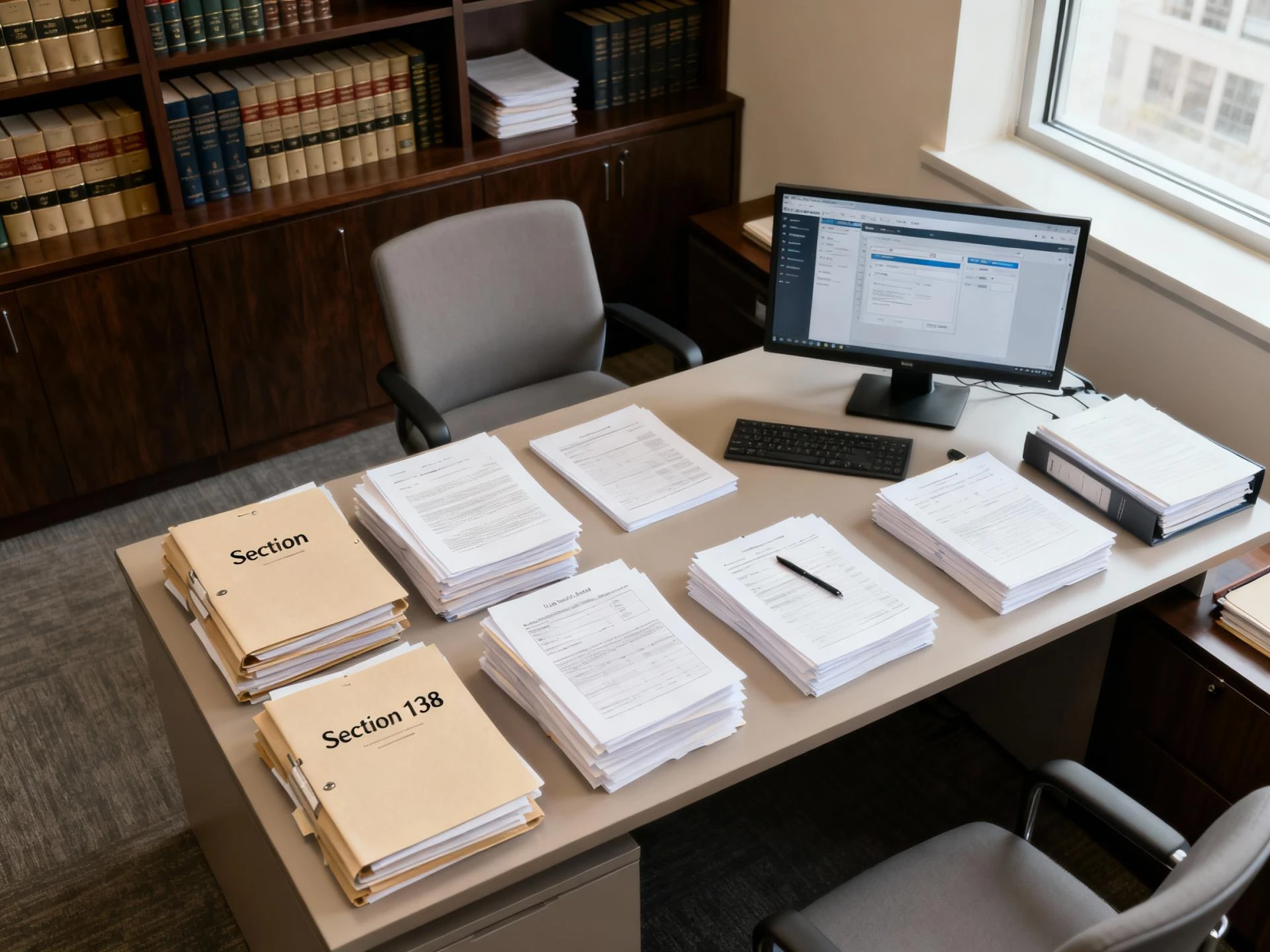

Cheque dishonour cases have become increasingly common as businesses, professionals and individuals depend heavily on financial transactions for daily operations. When a cheque is returned unpaid due to insufficient funds or account-related issues, it can create serious financial and legal consequences. To navigate these challenges, many clients rely on an experienced section 138 lawyer in Delhi who understands the nuances of the law, court procedures and settlement mechanisms involved.
Section 138 of the Negotiable Instruments Act deals specifically with cheque dishonour. It is a criminal offence designed to protect the credibility of financial transactions and ensure accountability. The law is strict, with specific timelines for issuing notices, filing complaints and presenting evidence. A single delay or procedural error can affect the outcome of a case. For this reason, individuals and businesses often choose to work with a skilled section 138 advocate in Delhi to ensure compliance with all legal requirements.
Understanding Section 138 of the Negotiable Instruments Act
A cheque can be deemed dishonoured for various reasons—insufficient funds, account closure, mismatched signatures or exceeding arrangement limits. Once the cheque is returned unpaid, the payee must issue a demand notice to the drawer within 30 days. The drawer then has 15 days to make the payment. If no payment is made, the complainant can file a criminal case before the appropriate court.
These steps appear straightforward but involve strict timelines and documentation. Any deviation can weaken the legal claim. This is why professional guidance is crucial, especially in contested matters.
Common Situations Leading to Section 138 Cases
Cheque bounce matters arise in a broad range of financial relationships, such as:
- Business transactions between companies
- Borrower–lender disputes
- Property dealings and instalment agreements
- Professional service payments
- Loan repayments between individuals
- Security cheques misused or withheld
Each case has its own set of facts and legal considerations. Proper evaluation of the underlying transaction, financial documents, communication records and intention of the parties is essential for building a strong case.
Role of a Legal Professional in Section 138 Matters
Lawyers who specialise in cheque bounce cases play several key roles:
1. Drafting and Issuing Demand Notices
A well-drafted notice is the foundation of a successful case. It must clearly state the details of the cheque, the reason for dishonour and the statutory demand for payment.
2. Filing Complaints in Court
Once the payment period lapses, the lawyer prepares and files the criminal complaint, ensuring all requirements under the Negotiable Instruments Act are met.
3. Representing Clients During Trial
This includes presenting evidence, examining witnesses, preparing submissions and ensuring the client’s rights are protected throughout the proceedings.
4. Negotiation and Settlement
Many cheque dishonour cases can be settled through negotiation. A seasoned legal representative evaluates the options, facilitates discussions and ensures any settlement is properly documented.
5. Advising on Defence Strategies
For accused persons, legal professionals help build a defence based on the facts—such as proving lack of liability, misuse of a security cheque or challenging the validity of the underlying debt.
Why Delhi Is a Key Destination for Cheque Bounce Litigation
Delhi has a high volume of Section 138 cases due to its business landscape, property market and extensive trade activity. The city’s courts, including specialised Magistrate courts, handle cheque dishonour matters efficiently and are supported by experienced legal practitioners. The legal ecosystem in Delhi also includes mediation centres, Lok Adalats and alternative dispute resolution forums, which often help expedite settlements.
Benefits of Hiring a Specialist for Section 138 Cases
Working with an experienced legal professional offers several advantages:
- Accurate drafting and timely filing
- Reduced risk of procedural errors
- Fair assessment of evidence and legal options
- Strong representation before courts
- Higher chances of favourable settlement
- Efficient case management
Whether you are the complainant or the accused, professional legal support can significantly influence the outcome.
Conclusion
Section 138 matters require careful attention, timely action and a strategic approach. As cheque dishonour cases involve both financial and legal implications, it is essential to engage a professional who understands the law in detail. For those seeking dependable representation in Delhi, UN LEGAL GROUP provides comprehensive support in cheque bounce and financial litigation matters.
FAQs
1. Is cheque bounce a criminal offence?
Yes, Section 138 categorises cheque dishonour as a criminal offence with penalties.
2. Can a Section 138 case be settled out of court?
Yes, most cases can be settled through negotiation or mediation.
3. What documents are needed to file a cheque bounce case?
Returned cheque, bank memo, legal notice, postal receipts and proof of the underlying transaction.
4. How long does a typical case take?
Timelines vary, but courts often prioritise cheque dishonour matters.
5. Can the accused defend themselves?
Yes, valid defences exist depending on the facts, such as proving no legally enforceable debt.























Sign in to leave a comment.