
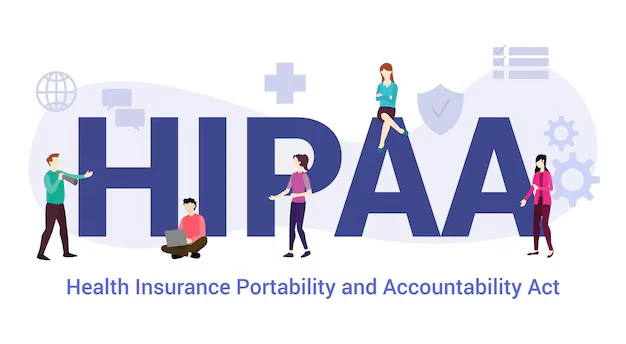
In the ever-evolving landscape of healthcare, maintaining compliance with regulations such as the Health Insurance Portability and Accountability Act (HIPAA) is paramount. With the increasing complexity of healthcare systems and the growing threat of data breaches, the role of HIPAA compliance consulting is more crucial than ever. As we look ahead, experts predict several trends that will shape the future of HIPAA compliance consulting, revolutionizing how healthcare organizations protect patient data and uphold regulatory standards.
1. Integration of Technology
As technology continues to advance, HIPAA compliance consulting will increasingly incorporate innovative solutions to streamline processes and enhance security measures. From AI-powered risk assessments to blockchain for secure data exchange, technological integration will play a pivotal role in ensuring HIPAA compliance in an increasingly digital healthcare ecosystem.
2. Focus on Cybersecurity
With cyber threats becoming more sophisticated, the future of HIPAA compliance consulting will see a heightened focus on cybersecurity. Consultants will work closely with healthcare organizations to implement robust cybersecurity measures, including advanced encryption protocols, intrusion detection systems, and real-time threat monitoring, to safeguard patient data from cyberattacks.
3. Emphasis on Proactive Compliance
Rather than reactive approaches, the future of HIPAA compliance consulting will prioritize proactive strategies aimed at preventing compliance breaches before they occur. Consultants will help healthcare organizations stay ahead of regulatory changes, conduct regular risk assessments, and implement comprehensive training programs to ensure all staff members understand their roles and responsibilities in maintaining compliance.
4. Personalized Compliance Solutions
Every healthcare organization is unique, and the future of HIPAA compliance consulting will involve personalized solutions tailored to each organization's specific needs and challenges. Consultants will work closely with clients to conduct thorough assessments, identify vulnerabilities, and develop customized compliance strategies that align with their business goals and resources.
5. Integration of Data Analytics
Data analytics will play an increasingly vital role in HIPAA compliance consulting, enabling organizations to gain valuable insights into their compliance efforts and identify areas for improvement. Consultants will leverage data analytics tools to monitor compliance metrics, track trends, and proactively address potential issues, ultimately enhancing the effectiveness of compliance programs.
6. Expansion of Telehealth Compliance
The rapid expansion of telehealth services presents new compliance challenges for healthcare organizations, requiring specialized expertise in HIPAA regulations governing remote patient care. In the future, HIPAA compliance consulting will expand to encompass telehealth compliance, providing guidance on secure data transmission, remote patient monitoring, and compliance with HIPAA's telehealth-specific requirements.
7. Embrace of Automation
Automation will play a significant role in streamlining compliance processes and reducing the administrative burden on healthcare organizations. From automated risk assessments to AI-driven compliance monitoring, the future of HIPAA compliance consulting will leverage automation to enhance efficiency and accuracy, allowing organizations to allocate resources more effectively.
Conclusion
As healthcare continues to evolve, so too will the landscape of HIPAA compliance consulting. By embracing technological innovation, prioritizing cybersecurity, and adopting proactive and personalized compliance strategies, HIPAA compliance consultants will play a vital role in helping healthcare organizations navigate the complexities of regulatory compliance and safeguard patient data in the years to come. The future of HIPAA compliance consulting is bright, driven by a commitment to excellence and a dedication to protecting the privacy and security of patient information.





























Sign in to leave a comment.