When it comes to pests invading your home, squirrels and raccoons are among the most troublesome and disruptive. These furry creatures may appear harmless, but they can cause significant damage if left unchecked. Whether it’s chewing through wiring, nesting in your attic, or leaving behind a mess, squirrel and raccoon infestations pose serious risks. Here are some expert tips to help you handle these infestations effectively and protect your home from these unwanted guests.
1. Understand the Risks of Squirrel and Raccoon Infestations
Both squirrels and raccoons are highly adaptable animals that often seek shelter in urban areas. Squirrels typically enter homes through small gaps in the roof, attic vents, or chimneys, while raccoons are known to tear through roofs or climb down chimneys. Once inside, they can cause structural damage, chew on wires, and even cause fires by nibbling on electrical cables.
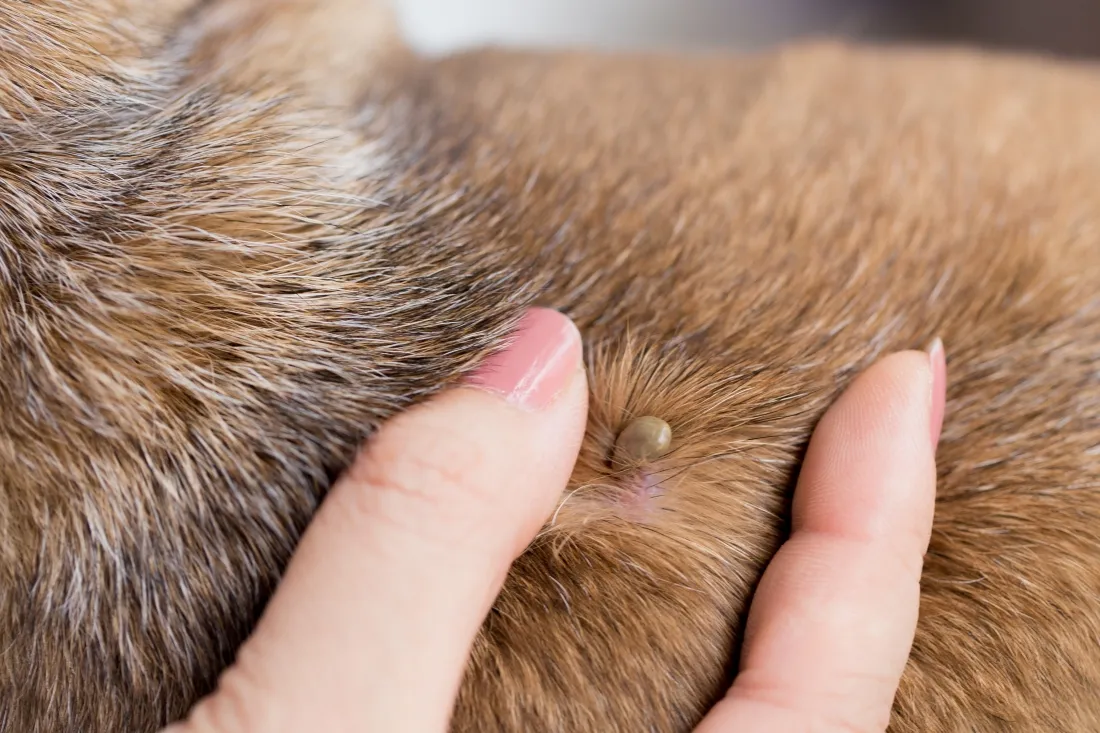
Raccoons, being nocturnal, may also carry diseases like rabies, leptospirosis, and parasites such as fleas and ticks, which can pose a significant health risk to your family and pets. Squirrels, while less dangerous, can still carry diseases like Lyme disease and salmonella.
If you notice signs of squirrel or raccoon activity—such as scratching sounds in the attic, droppings, or damage to your property—it’s essential to act quickly before the problem worsens.
2. Seal Entry Points Around Your Home
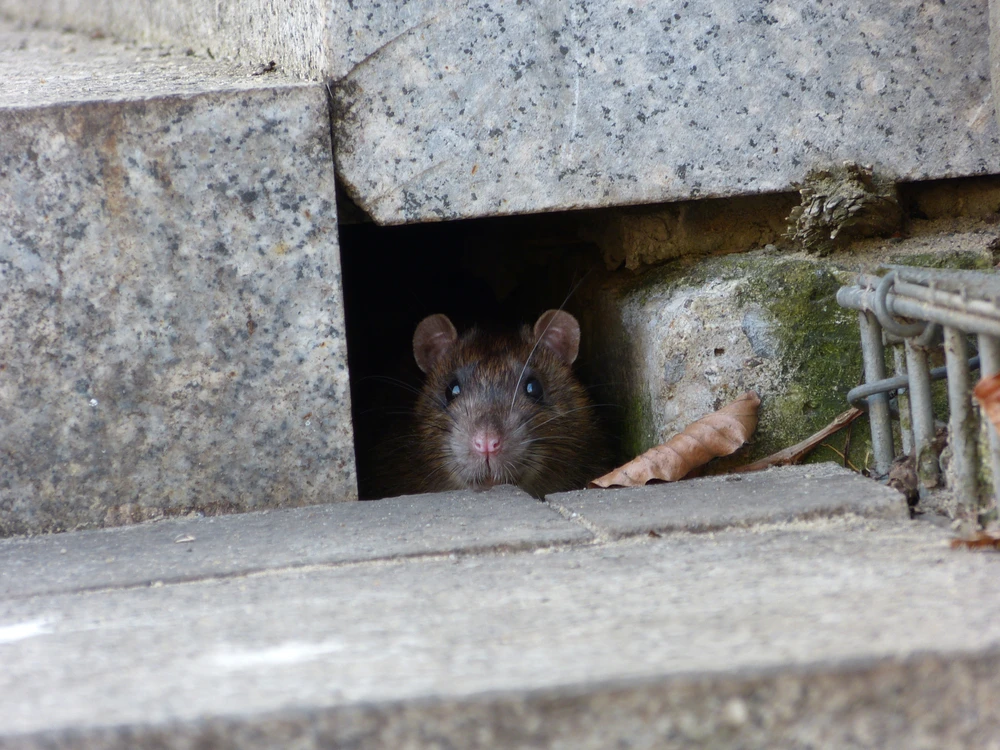
One of the most effective ways to prevent squirrel and raccoon infestations is by securing all entry points. Start by thoroughly inspecting your home’s exterior and attic for any gaps, cracks, or holes. Pay close attention to areas where pipes or wires enter the house, as these are common entry points for both raccoons and squirrels.
If you find any openings, seal them with durable materials like steel mesh or metal flashing, which are difficult for these animals to chew through. Raccoons can also enter through vents or chimneys, so it’s a good idea to install chimney caps or mesh coverings to keep them out.
3. Eliminate Food Sources
Both squirrels and raccoons are attracted to easy food sources. They may raid your garbage cans, bird feeders, or even pet food left outside. To make your property less appealing, take the following steps:
- Store trash in animal-proof containers with tight-fitting lids.
- Bring pet food inside after feeding.
- Clean up any spilled birdseed and remove bird feeders from areas near your home.
- Remove fallen fruit from trees and clean up compost piles.
Taking these simple steps can reduce the chances of attracting these animals to your property in the first place.
4. Use Traps as a Temporary Solution
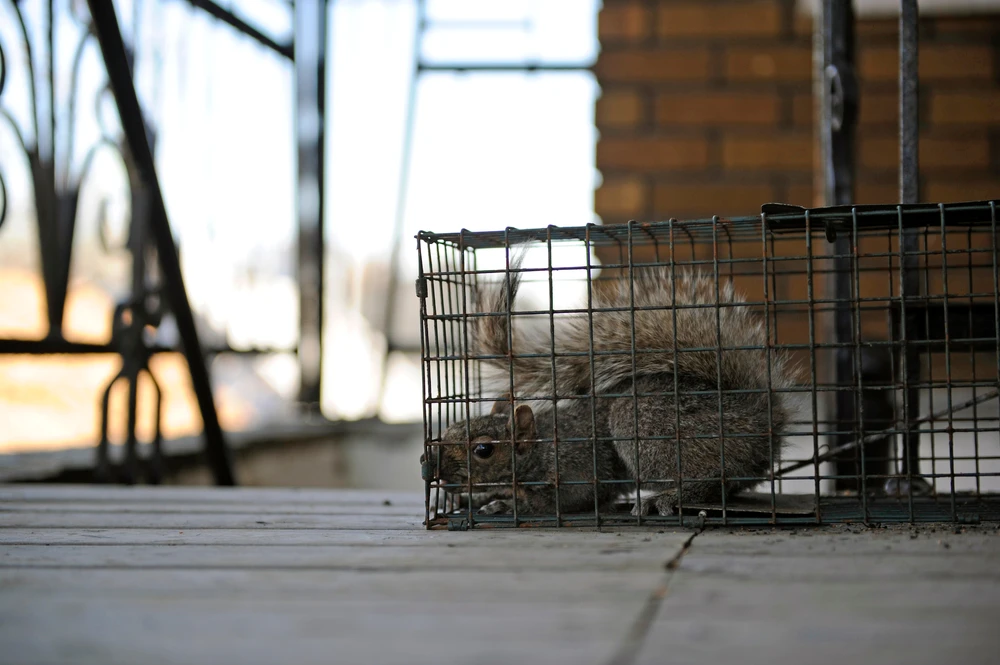
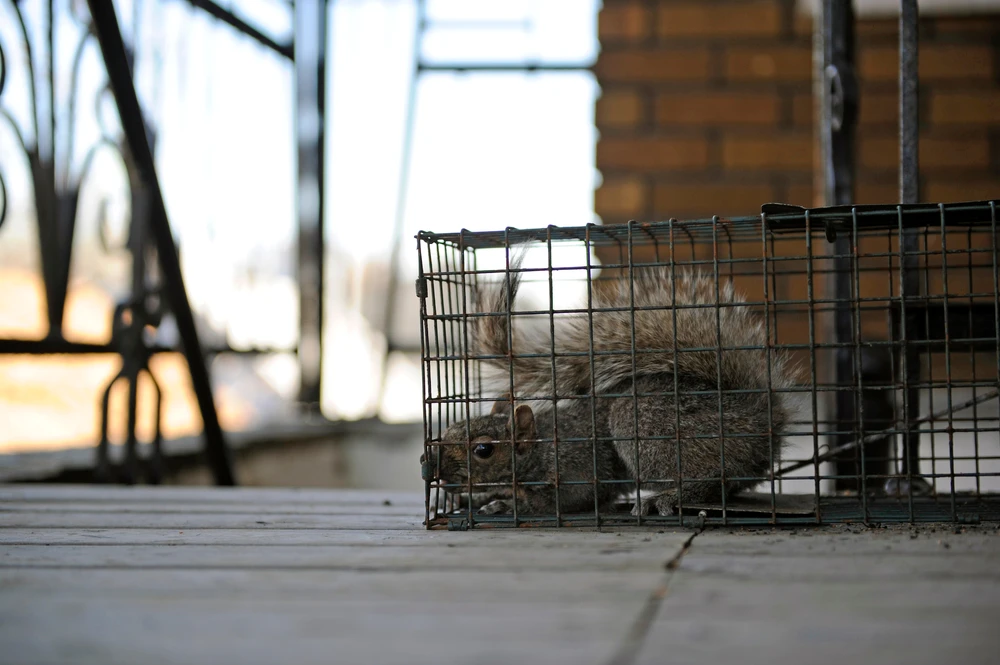
If you’ve already noticed signs of squirrel or raccoon activity inside your home, using humane traps may help catch and remove them. There are several types of traps available, from live traps to snap traps, depending on the severity of the infestation.
When using traps, make sure to follow local laws regarding wildlife trapping and relocation, as some areas have strict regulations about how and where you can release captured animals.
However, traps are typically a temporary solution. They might catch one animal, but if your home remains accessible, it’s only a matter of time before more pests arrive. For a long-term solution, you’ll need to work with a professional pest control service.
5. Call a Professional for Squirrel and Raccoon Removal
While DIY methods can help you manage minor infestations, it’s crucial to hire professionals for more severe cases or if you’re unable to safely remove the pests yourself. Squirrel removal in Toronto requires special expertise, as these creatures can be challenging to deal with due to their agility and tendency to hide in hard-to-reach places.
Similarly, raccoon pest control in Toronto requires the knowledge of trained specialists who can safely and humanely remove the animals from your home. A professional service will not only handle the removal but also help with long-term prevention by identifying and sealing off entry points.
Working with an experienced pest control team like Pestong ensures that the job is done right the first time. Experts use eco-friendly and humane methods to safely remove the animals and help you prevent future infestations.
6. Maintain Regular Inspections
Once you’ve dealt with an infestation, it’s essential to keep up with regular inspections to ensure that your home remains pest-free. Check for any new signs of damage, such as chewed wires or new holes around windows and doors. The earlier you spot potential problems, the easier it will be to address them before they escalate.
7. Consider Ongoing Pest Control Services
If your area is prone to squirrel and raccoon infestations, consider setting up an ongoing pest control service to monitor and prevent issues. Regular treatments and inspections can help protect your home year-round, giving you peace of mind that your property is safe from pests.
Conclusion
Squirrel and raccoon infestations can be more than just a nuisance; they can cause real damage to your home and pose health risks to your family. By following these expert tips—sealing entry points, removing food sources, using traps, and enlisting professional help—you can safeguard your home from these troublesome pests.


















Sign in to leave a comment.