
There’s a special kind of silence just before sunrise at Angkor Wat. The sky shifts from deep blue to gold, birds stir in the trees, and the ancient towers slowly reveal their shape. Experiencing this moment as part of Cambodia cycling tours feels different from arriving by bus. You earn the view. You approach through forest paths, hear the crunch of gravel beneath your tires, and arrive fully present.
Cambodia is world-famous for its temples, yet its countryside remains one of Southeast Asia’s most rewarding cycling destinations. Combining both on two wheels creates a journey that’s active, immersive, and surprisingly accessible.
If you want more than quick photo stops, cycling may be the most meaningful way to explore.
The Problem with Conventional Temple Tours
Most visitors explore temples by car or tuk-tuk. It’s convenient—but often rushed.
You move from one site to another, stepping out briefly before heading off again. The distance between monuments becomes a blur rather than part of the experience.
Cambodia cycling tours change that dynamic. The journey between temples becomes just as memorable as the destinations themselves. You pass through small villages, rice fields, and palm groves, gaining a clearer sense of the land that once supported the Khmer Empire.
Why Cambodia Cycling Tours Offer a Deeper Experience
1. A More Intimate Way to Visit Angkor
The Angkor Archaeological Park spans over 400 square kilometers. While vehicles cover ground quickly, bicycles allow flexibility.
Cycling between Bayon and Ta Prohm through shaded forest roads feels unhurried. You can stop whenever something catches your attention—an intricate carving, a quiet gate, or a monk passing by.
Many experienced travelers say cycling offers a stronger connection to the scale and layout of the ancient city.
2. Access to Rural Cambodia Beyond the Temples
Beyond Siem Reap, cycling routes extend into peaceful countryside.
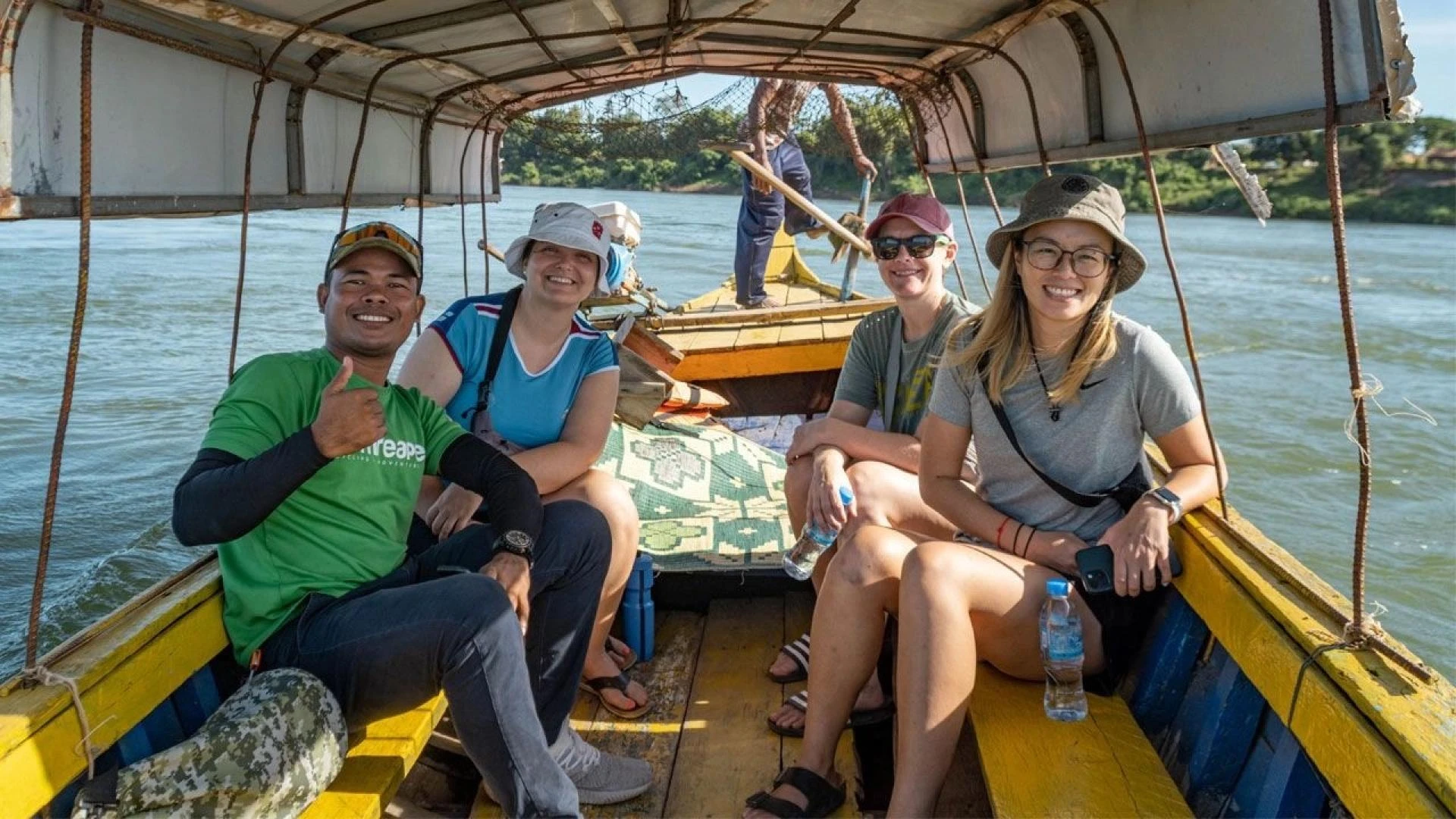
In provinces like Battambang, flat terrain winds through rice paddies and wooden stilt houses. Along the Mekong River, sandy paths pass fishing communities and fruit orchards.
These landscapes reveal everyday Cambodian life—morning markets, children biking to school, farmers tending fields. Such scenes rarely appear in standard itineraries.
3. Balanced Physical Activity and Cultural Insight
Cycling provides moderate exercise without requiring elite fitness. Cambodia’s terrain is generally flat, making it suitable for beginners as well as seasoned riders.
At the same time, guided tours provide historical context, explaining temple symbolism, irrigation systems, and the Khmer Empire’s engineering achievements.
The result is both physical engagement and intellectual enrichment.
Actionable Strategies for Planning Cambodia Cycling Tours
Choose the Right Season
The dry season, from November to February, offers cooler temperatures ideal for longer rides.
However, the green season brings lush scenery and fewer crowds. Short afternoon showers are common but manageable with proper planning.
Start Early for Comfort and Atmosphere
Early morning rides avoid midday heat and allow you to witness daily life at its most vibrant. Monks collect alms, markets open, and farmers begin their work.
Professional operators design schedules around these rhythms.
Combine Temple Routes with Village Trails
A well-designed itinerary might include:
- Sunrise cycling within Angkor
- Afternoon countryside routes
- Local market visits
- Traditional craft workshops
Blending iconic landmarks with rural exploration creates a well-rounded experience.
Common Mistakes to Avoid
Underestimating the Climate
Cambodia’s tropical heat can be intense. Hydration, sunscreen, and breathable clothing are essential.
Reputable Cambodia cycling tours provide water stops and support vehicles when needed.
Ignoring Bike Quality
A well-maintained bicycle significantly affects comfort. Always confirm that your operator supplies quality bikes, helmets, and basic mechanical support.
Skipping Cultural Etiquette
When cycling through villages, modest dress and respectful behavior matter. Ask before taking photos and greet locals politely.
Responsible travel builds positive connections.
Expert Insights from the Road
Travelers often tell me that cycling slows them down in the best possible way.
Instead of rushing, they notice small details: incense drifting from a temple shrine, the texture of laterite stone, the sound of wind through palm trees.
One guest described cycling into a quiet temple courtyard without another visitor in sight. That sense of discovery—rare in popular destinations—left a lasting impression.
Cambodia cycling tours create these unscripted moments. They encourage awareness rather than consumption.
Sustainability and Community Impact
Cycling is one of the most environmentally friendly ways to explore.
Small-group tours reduce congestion around heritage sites and often collaborate with local guides and businesses. This supports community-based tourism and spreads economic benefits beyond major city centers.
Travel becomes more than sightseeing—it becomes contribution.
Conclusion: Discover Cambodia at a Human Pace
Exploring Cambodia on two wheels transforms a standard itinerary into something deeply personal.
From the iconic towers of Angkor Wat to quiet countryside lanes, Cambodia cycling tours offer a balanced blend of adventure, culture, and connection. They allow you to experience the land between landmarks and engage directly with local communities.
If you’re planning a trip and want to move beyond surface-level tourism, consider adding cycling to your itinerary. Pedal through history, breathe in the countryside, and discover Cambodia at a pace that feels authentic.




























Sign in to leave a comment.