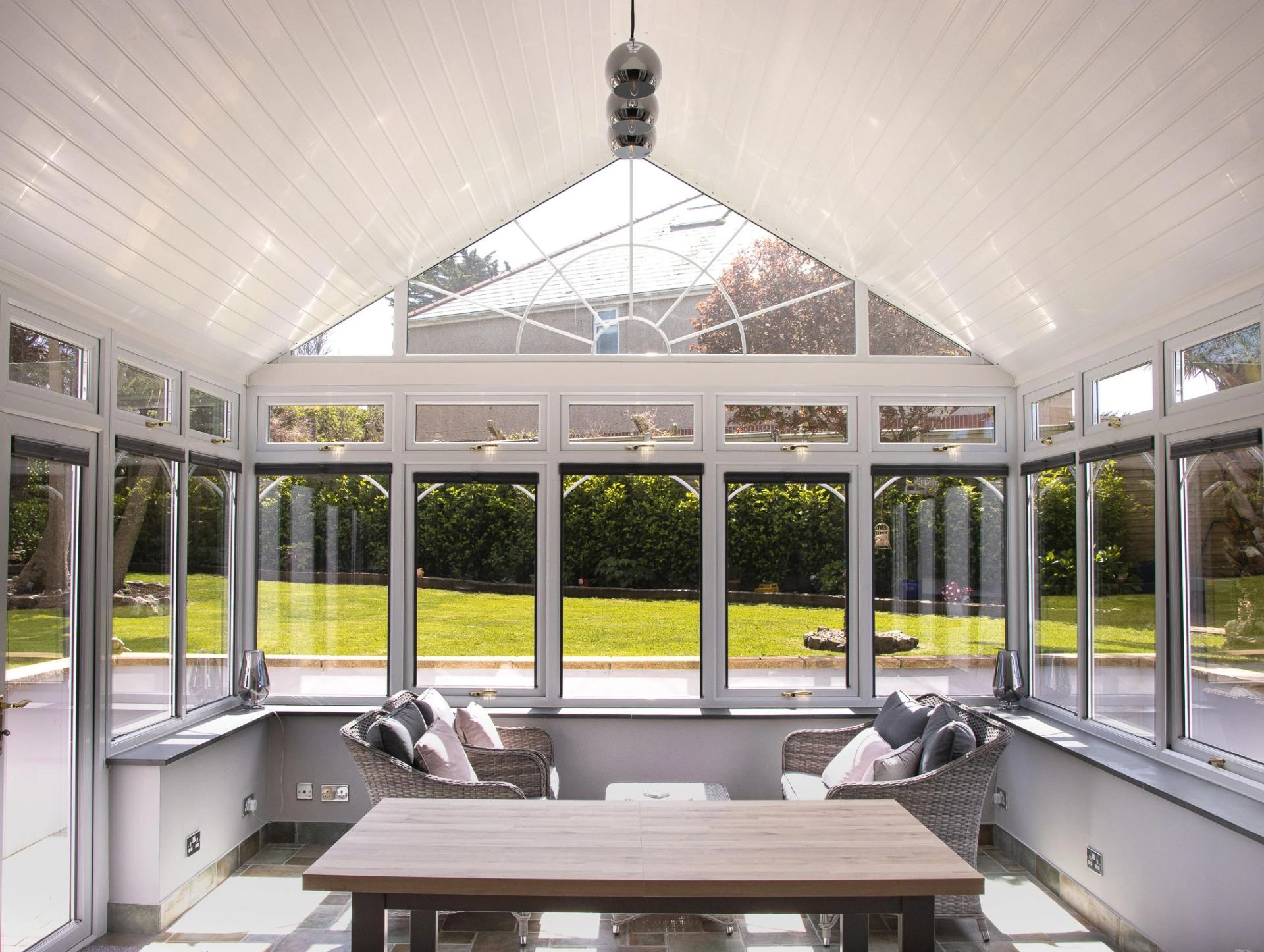

If you live in the Southwest of England, you already know the drill. One minute your conservatory feels like a greenhouse in July, the next it’s an icebox in January. That’s exactly why Conservatory insulation has become one of the most talked-about home improvements in 2026.
Across Devon, Cornwall, Somerset, and Bristol, homeowners are realising their conservatories are underperforming. They look great, but they’re expensive to heat, uncomfortable to use year-round, and often ignored during colder months. Proper insulation transforms that space into a room you can enjoy every day — not just when the weather behaves.
Let’s break down why this upgrade makes practical and financial sense.
The Real Problem with Conservatories in the Southwest
The Southwest has a mild climate compared to other UK regions, but damp air, coastal winds, and fluctuating temperatures create unique challenges.
Most older conservatories have:
- Polycarbonate or outdated glass roofs
- Little to no roof insulation
- Poor temperature regulation
- High heat loss during winter
According to the UK Government’s energy data, heating accounts for roughly 60% of the average household’s energy use. A poorly insulated conservatory adds strain to your heating system — especially during those long, wet winters common in Devon and Cornwall.
Many homeowners tell me the same thing:
“We love the space, but we barely use it.”
That’s wasted square footage — and wasted potential.
Why Conservatory Insulation Is a Smart Investment in 2026
1. Lower Energy Bills
Energy prices remain a serious concern in 2026. Insulating your conservatory roof significantly reduces heat loss, meaning your central heating doesn’t have to work overtime.
A well-insulated roof can reduce heat loss through the conservatory by up to 70% compared to older polycarbonate systems. Less heat escaping means lower energy consumption — and that adds up over time.
For Southwest homeowners dealing with coastal chill and damp air, this upgrade quickly pays for itself.
2. Year-Round Comfort
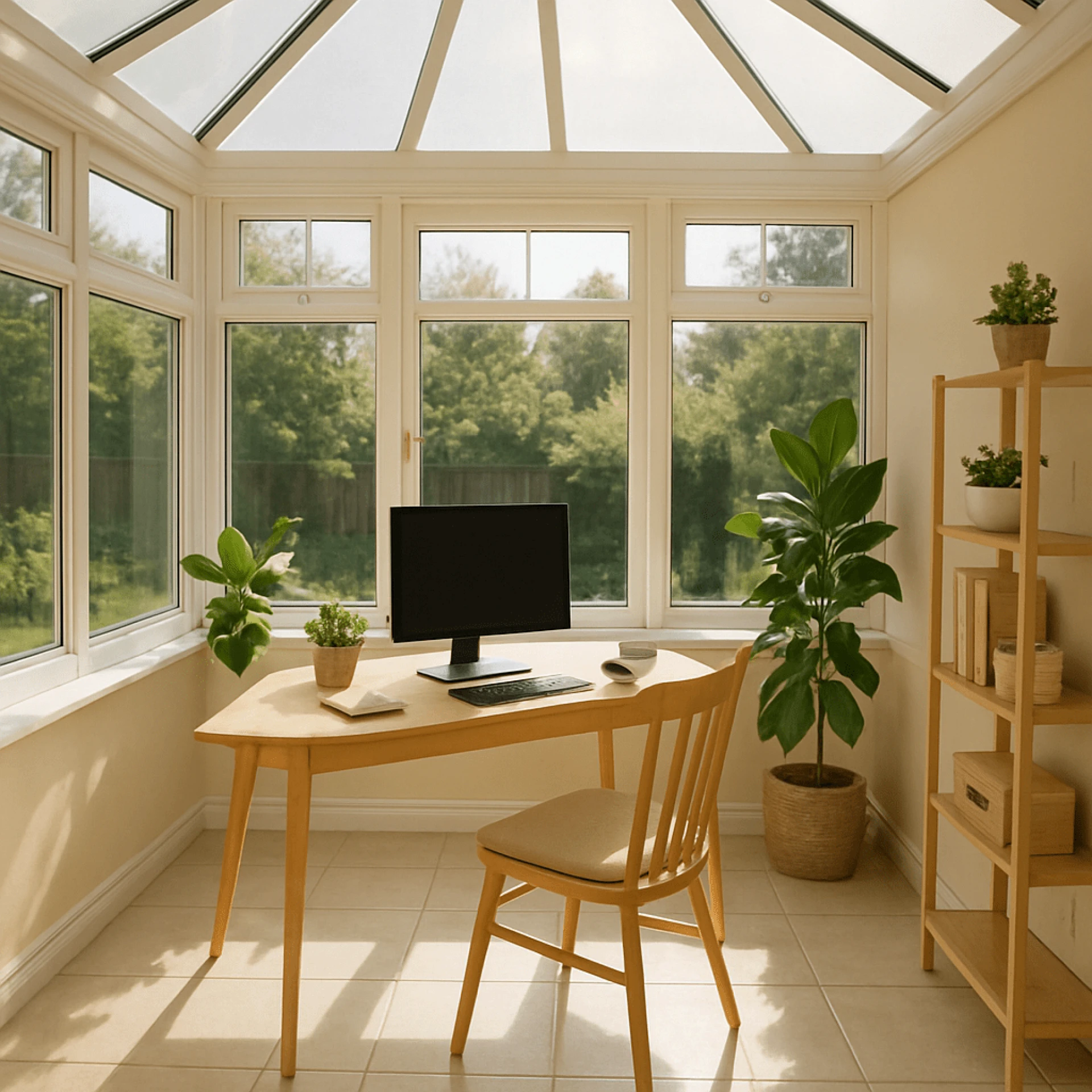
The biggest benefit of Conservatory insulation is usability.
Instead of:
- Overheating in summer
- Freezing in winter
- Condensation dripping in autumn
You get a stable, comfortable temperature throughout the year.
Modern insulated roof systems include breathable membranes and thermal layers designed to manage moisture — especially important in coastal towns like Torquay or St Ives where humidity is high.
3. Reduced Condensation and Damp Issues
The Southwest’s damp climate can create condensation problems inside conservatories. That moisture can damage frames, plaster, and flooring.
Proper insulation:
- Regulates internal surface temperatures
- Reduces cold bridging
- Minimises condensation build-up
This protects both the structure and your interior décor.
4. Increased Property Appeal
Buyers in 2026 are more energy-conscious than ever. Energy Performance Certificates (EPCs) matter.
An insulated conservatory:
- Improves thermal efficiency
- Enhances liveable square footage
- Makes your home more attractive to future buyers
Estate agents across Exeter and Bristol consistently report that energy-efficient upgrades help homes sell faster.
Practical Strategies for Choosing the Right System
Not all insulation solutions are equal. Here’s what I recommend based on real installation experience:
Check Structural Suitability
Before installing insulation, ensure your existing conservatory frame can support a solid insulated roof system. A professional survey is essential.
Choose Lightweight Insulated Panels
Modern systems use lightweight materials that reduce stress on the frame while delivering strong thermal performance.
Consider Tiled Roof Conversions
In many Southwest properties, switching to a solid tiled roof with integrated insulation creates a true “room-like” feel.
Ventilation Matters
Insulation without ventilation can cause moisture issues. Look for systems with breathable membranes and optional trickle vents.
Common Mistakes to Avoid
Over the years, I’ve seen homeowners make avoidable errors:
1. Going for the Cheapest Option
Low-cost internal insulation panels often fail to deliver meaningful thermal improvement.
2. Ignoring Building Regulations
Roof replacements may require compliance checks. Always confirm with your installer.
3. DIY Attempts
Conservatory roofs are structural elements. Improper installation can lead to leaks or sagging.
4. Not Considering Lighting
If replacing a translucent roof, plan for integrated LED panels or skylights to maintain natural light.
Expert Tips from the Field
- Always request thermal performance data before agreeing to installation.
- Ask about noise reduction — insulated roofs significantly reduce rain noise, which is a big bonus in the Southwest.
- Schedule installation during milder months to avoid weather delays.
- Pair insulation with upgraded glazing for maximum benefit.
From my experience, homeowners who combine roof insulation with improved glazing see the biggest comfort improvements.
Is Conservatory Insulation Worth It in 2026?
Absolutely — especially in the Southwest of England.
With rising energy costs, unpredictable weather, and increased focus on sustainable living, Conservatory insulation isn’t just an upgrade — it’s a practical improvement that enhances daily life.
It transforms a seasonal space into a functional extension of your home. It reduces bills. It increases comfort. And it protects your property from moisture-related damage common in coastal areas.
If you’ve been avoiding your conservatory during winter or summer extremes, now is the time to act.
Ready to make your conservatory usable all year round?
Speak to a qualified local installer, request a survey, and explore modern insulated roof solutions designed specifically for the Southwest climate.
Your future self — sitting comfortably in January with a cup of tea — will thank you.
FAQs
1. How much does conservatory insulation cost in the Southwest?
Costs vary depending on size and system type, but most homeowners invest between £3,000 and £7,000 for a full insulated roof conversion.
2. Will insulation make my conservatory dark?
Not if designed correctly. Integrated skylights or LED lighting panels maintain brightness.
3. How long does installation take?
Most professional installations take 2–5 days, depending on complexity.
4. Does conservatory insulation reduce noise?
Yes. Insulated roofs significantly reduce rain and wind noise — ideal for coastal areas.
5. Will it improve my EPC rating?
In many cases, yes. Improved thermal efficiency can positively influence EPC assessments.


























Sign in to leave a comment.