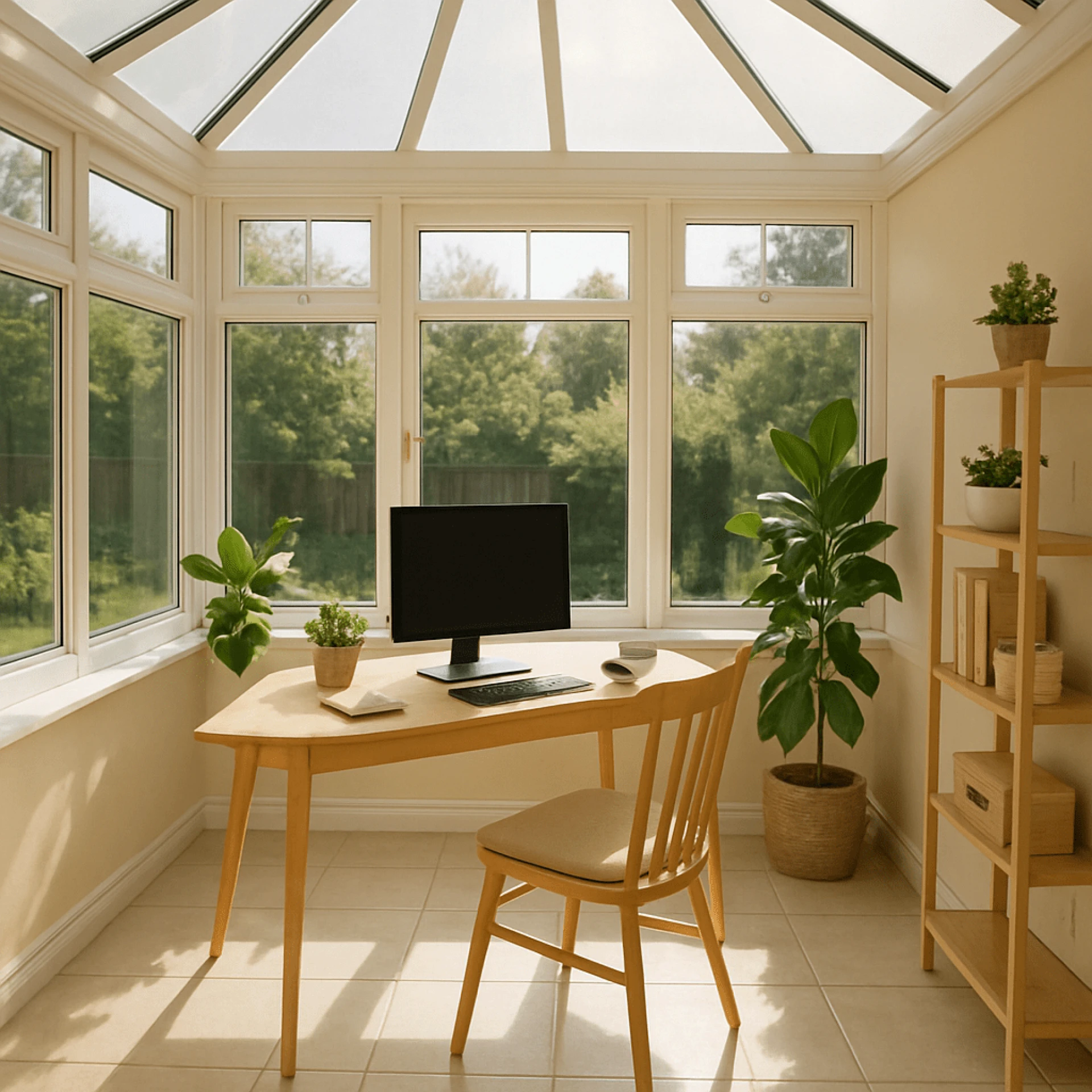

For homeowners in the Southwest of England, a conservatory is more than just an extra room—it’s a space for relaxation, entertaining, or working from home. However, many traditional conservatory roofs struggle with temperature regulation and noise, making them underused. Upgrading to an insulated conservatory roof can transform this space into a comfortable, energy-efficient environment year-round. But with multiple options available, how do you know which solution is right for your home? This guide explores the key choices, benefits, and practical tips to help you make an informed decision.
Why Consider an Insulated Conservatory Roof
Older conservatory roofs, often made from single-glass panels or polycarbonate, have several limitations:
- Cold winters and overheating summers: Glass roofs allow heat to escape in winter and can make rooms unbearably hot in summer.
- Noise: Rain, hail, or nearby traffic can make the space disruptive for work or leisure.
- Inefficiency: Traditional roofs offer poor thermal insulation, leading to higher heating costs.
Upgrading to an insulated roof addresses these issues, offering comfort, lower energy bills, and increased property value.
Popular Insulated Conservatory Roof Options
1. Solid Insulated Roofs
Solid insulated roofs use high-performance panels to replace glass or polycarbonate.
Benefits:
- Excellent thermal insulation, keeping the room warm in winter and cool in summer.
- Significant noise reduction.
- Typically low maintenance and long-lasting.
Considerations:
- Reduces natural light. Many homeowners overcome this with skylights or roof lanterns.
- Higher upfront cost compared to basic polycarbonate solutions.
Example: A homeowner in Plymouth replaced a single-glass roof with a solid insulated panel system. They reported a 20% reduction in heating costs during winter and a noticeably quieter space.
2. Hybrid Roofs
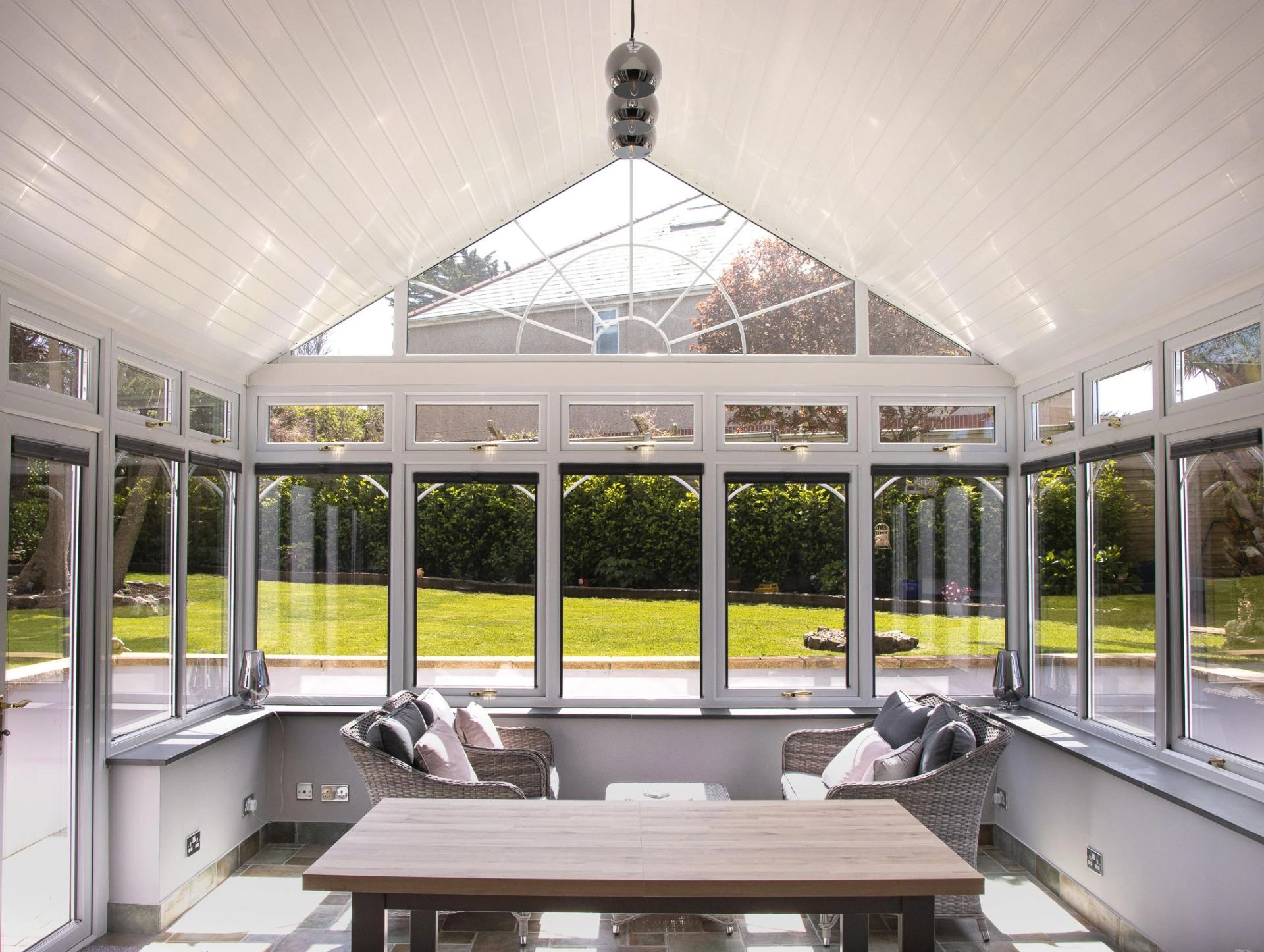
Hybrid roofs combine solid insulation with glass panels, providing both thermal efficiency and daylight.
Benefits:
- Retains natural light while improving comfort.
- Reduces noise compared to a full glass roof.
- Versatile designs, compatible with most conservatory styles.
Considerations:
- More complex installation than single-material roofs.
- Costs are moderate to high depending on materials and design.
Practical Tip: Ensure that glass panels are double-glazed or treated for low U-values to maximize energy efficiency.
3. Tiled Roofs
Tile-based insulated roofs mimic traditional home roofs, offering solid thermal performance.
Benefits:
- Aesthetic appeal that blends with your home’s exterior.
- Very effective at reducing heat loss and noise.
- Durable and low maintenance.
Considerations:
- Installation can be more intrusive and may require planning permission in some areas.
- Natural light is limited unless combined with roof windows or lanterns.
Real-World Insight: In Exeter, homeowners who installed a tiled insulated roof found their conservatory’s temperature more stable and the space usable for year-round dining.
Key Factors When Choosing a Roof
- Insulation Value (U-value): Lower U-values indicate better insulation. Aim for 0.18–0.25 W/m²K for high-performance roofs.
- Natural Light Needs: Decide whether daylight is a priority. Hybrid roofs or skylights can balance insulation with light.
- Budget: Solid roofs tend to be more expensive upfront but offer long-term savings on heating and cooling.
- Installation Quality: Professional installation ensures maximum efficiency and durability.
Common Mistakes to Avoid
- Ignoring ventilation: Even insulated roofs need proper airflow to prevent condensation and mould.
- Choosing cheap materials: Low-quality panels degrade faster, reducing energy efficiency.
- DIY installation without experience: Poor sealing or incorrect fitting can compromise the roof’s performance.
Expert Tips for Southwest Homeowners
- Opt for local installers familiar with regional weather conditions. This ensures the roof can handle both heavy rainfall and occasional heatwaves.
- Consider roof design and aesthetics to complement your home while improving thermal efficiency.
- Combine insulation with other improvements like double-glazed doors or underfloor heating for a fully comfortable space.
Insight: A hybrid insulated roof with strategically placed skylights provides the perfect balance of warmth, noise reduction, and daylight—ideal for families in Cornwall and Devon.
Conclusion
Upgrading to an insulated conservatory roof transforms underutilized conservatories into comfortable, energy-efficient, and quiet living spaces. Whether you choose a solid, hybrid, or tiled roof, the key is balancing insulation, natural light, and budget while ensuring professional installation. With thoughtful planning, your investment not only improves your day-to-day comfort but can also increase your property’s value.
Call to Action: If your conservatory struggles with temperature fluctuations or noise, explore insulated roof options today. A professional consultation can help you select the best solution tailored to your home and lifestyle.

























Sign in to leave a comment.