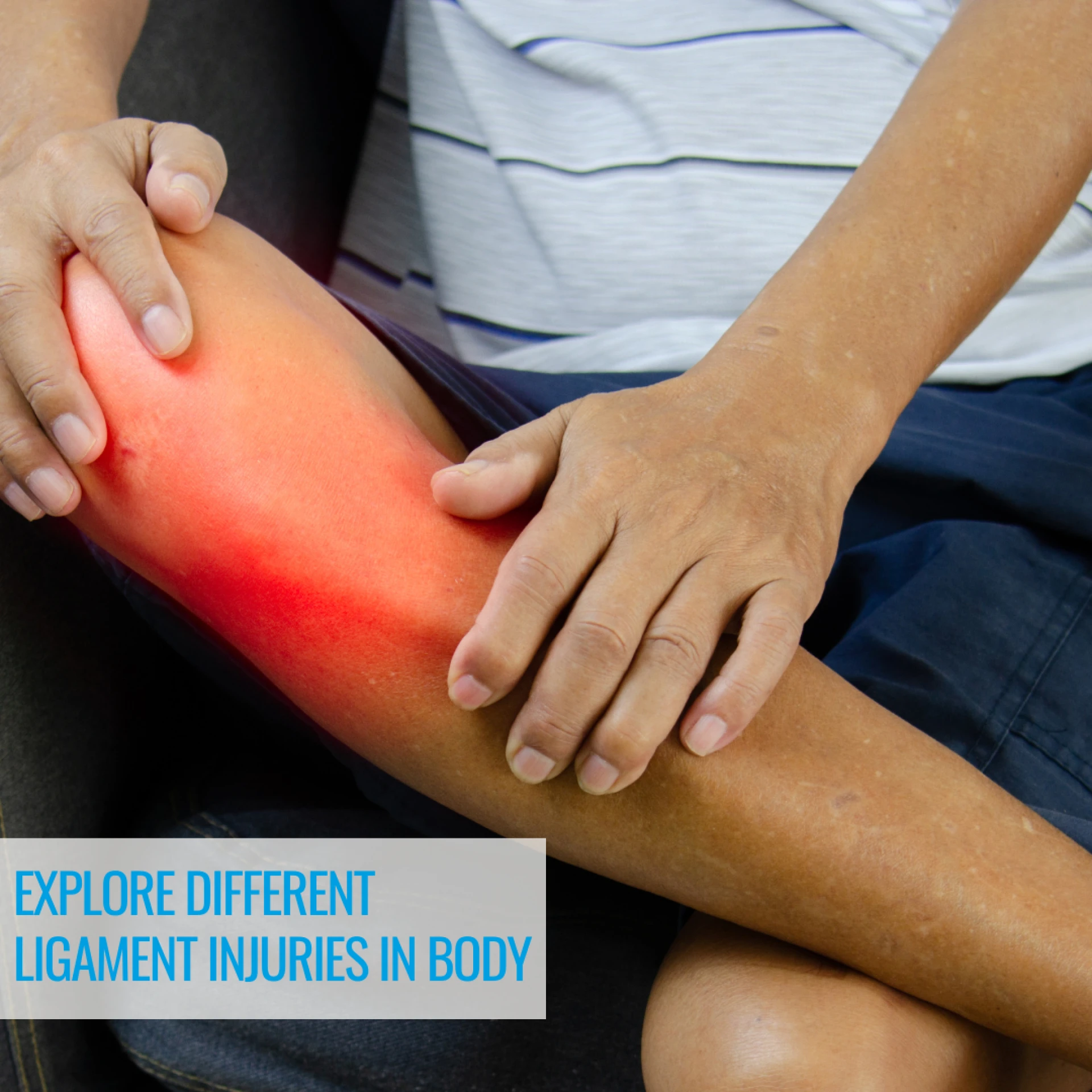

Ligaments are vital to the body's movement and stability, acting as tough bands of connective tissue that bind bones together at joints. However, these critical structures are prone to injuries caused by accidents, sports activities, or repetitive stress. Whether it’s a ligament injury in the knee, a sprain in the hand, or damage to the wrist, ligament injuries can significantly affect mobility and quality of life.
In this detailed guide, we’ll explore common types of ligament injuries, their causes, symptoms, and treatment options. We’ll also highlight the importance of consulting a bone specialist in Delhi or an experienced orthopedician in Delhi for accurate diagnosis and care.
What Are Ligaments?
Ligaments are fibrous bands of connective tissue that stabilize joints, enabling smooth and controlled movements. While they are strong and flexible, they lack the regenerative capacity of muscles, making them prone to long-term damage if injured.
Functions of Ligaments
- Joint Stabilization: Prevents excessive movement and maintains joint alignment.
- Support During Motion: Facilitates coordinated and secure movement.
- Protection: Reduces the risk of dislocation by limiting joint overextension.
Key Ligaments in the Body
- Knee Ligaments: Crucial for walking, running, and pivoting movements.
- Hand and Wrist Ligaments: Essential for grip and fine motor skills.
- Ankle Ligaments: Provide balance and support during dynamic activities.
Understanding Ligament Injuries
1. Sprains
Sprains occur when a ligament is overstretched but remains intact. They are categorized into grades:
- Grade 1: Mild stretching with minor swelling and discomfort.
- Grade 2: Partial tear causing moderate pain and restricted movement.
- Grade 3: Complete tear leading to significant pain, instability, and immobility.
2. Partial Tears
Partial tears involve damage to some ligament fibers and can compromise joint stability. These injuries often require physical therapy or other ligament injury treatments for recovery.
3. Complete Tears
A complete ligament tear is severe, rendering the joint unstable. Such injuries frequently demand surgical intervention, such as a ligament injury operation, to repair or reconstruct the damaged tissue.
Common Ligament Injuries
Ligament Injury in the Knee
The knee joint is highly complex, supported by four major ligaments:
- Anterior Cruciate Ligament (ACL): Prevents forward movement of the tibia. ACL injuries often occur during sports that involve sudden stops or pivots.
- Posterior Cruciate Ligament (PCL): Controls backward movement of the tibia. PCL injuries are less common but typically result from trauma.
- Medial Collateral Ligament (MCL): Located on the inner side of the knee, it provides lateral stability.
- Lateral Collateral Ligament (LCL): Found on the outer knee, it prevents excessive side-to-side motion.
Ligament Injury in Knee Symptoms
- Severe pain and swelling shortly after injury.
- Difficulty bearing weight or walking.
- A popping sound at the time of injury (common in ACL tears).
Treatment: Mild injuries may require rest and physical therapy, while complete tears often necessitate surgical reconstruction. Consulting an orthopedician in Delhi ensures proper treatment and recovery.
Ligament Injury in Hand
Hand ligament injuries can occur during falls, overuse, or accidents. These injuries significantly affect daily tasks, including gripping and typing.
Common Hand Ligament Injuries
- Thumb Ligament Tears: Resulting from overextension during falls or sudden impact.
- Finger Sprains: Occur due to forceful bending or twisting.
- Wrist Sprains: Caused by high-impact activities or repetitive stress.
Symptoms
- Pain and swelling in the affected area.
- Limited range of motion or inability to grip.
- Visible deformity in severe cases.
Treatment: Immobilization, anti-inflammatory medications, and physical therapy are standard treatments. Severe injuries may require surgery.
Ligament Damage Wrist
The wrist is a complex joint with multiple ligaments that can be injured during falls, accidents, or overuse.
Symptoms of Wrist Ligament Damage
- Persistent pain, particularly during movement.
- Swelling and tenderness in the wrist.
- Difficulty performing rotational movements like turning a doorknob.
Treatment
Mild cases often recover with rest and therapy, but severe ligament tears may need surgical repair. Consulting a bone specialist in Delhi ensures precise diagnosis and effective care.
Causes of Ligament Injuries
- Trauma
- Sudden impacts, such as falls or car accidents, are leading causes of ligament injuries.
- Sports-Related Activities
- High-impact sports like football, basketball, and skiing increase the risk of knee, ankle, and wrist injuries.
- Repetitive Motion
- Overuse injuries, such as wrist sprains from typing, can weaken ligaments over time.
- Aging
- As we age, ligaments lose their elasticity and strength, making them more susceptible to injuries.
Diagnosis of Ligament Injuries
Timely and accurate diagnosis is essential for successful recovery. A specialist, such as an orthopedician in Delhi, typically uses the following methods:
- Physical Examination: Tests joint stability and identifies areas of pain and swelling.
- Imaging Tests: X-rays rule out fractures, while MRIs provide detailed images of ligament damage.
Treatment Options for Ligament Injuries
Non-Surgical Treatments
- Rest and Immobilization: Reduces stress on the ligament and allows healing.
- Physical Therapy: Restores strength and mobility, preventing long-term stiffness.
- Medications: Pain relievers and anti-inflammatory drugs alleviate discomfort.
Surgical Treatments
- Arthroscopy: Minimally invasive surgery to repair torn ligaments.
- Reconstruction Surgery: Uses grafts to replace severely damaged ligaments.
For severe cases, a ligament injury operation may be the only solution to restore full function.
Prevention of Ligament Injuries
Taking preventive measures can significantly reduce the risk of ligament injuries.
- Strength Training: Strengthens muscles that support the ligaments.
- Stretching Exercises: Enhances flexibility and prevents stiffness.
- Proper Technique: Using correct form during physical activities minimizes strain on ligaments.
- Support Gear: Braces and wraps provide additional stability during high-impact activities.
Importance of Consulting Specialists
Whether you are dealing with a minor sprain or considering surgery, consulting a specialist is essential. A bone specialist in Delhi can offer accurate diagnosis, personalized treatment plans, and advanced care, ensuring a smoother recovery process.
Conclusion
Ligament injuries, ranging from mild sprains to severe tears, can significantly impact your life. Understanding their causes, symptoms, and treatment options is the first step toward effective recovery. Whether you’re seeking care for a ligament injury in knee symptoms or exploring options for ligament damage wrist, expert help is crucial.
If you or someone you know is facing ligament issues, visit The Bone Clinic for world-class care and comprehensive treatment options tailored to your needs.





















Sign in to leave a comment.