
In an era where health consciousness and natural ingredients are gaining prominence, two remarkable elements have emerged—Allulose and Beetroot Red. Both serve distinct purposes, one as a low-calorie sweetener and the other as a vibrant natural coloring agent, revolutionizing the way we perceive health and food aesthetics.
Allulose: A Sweet Evolution
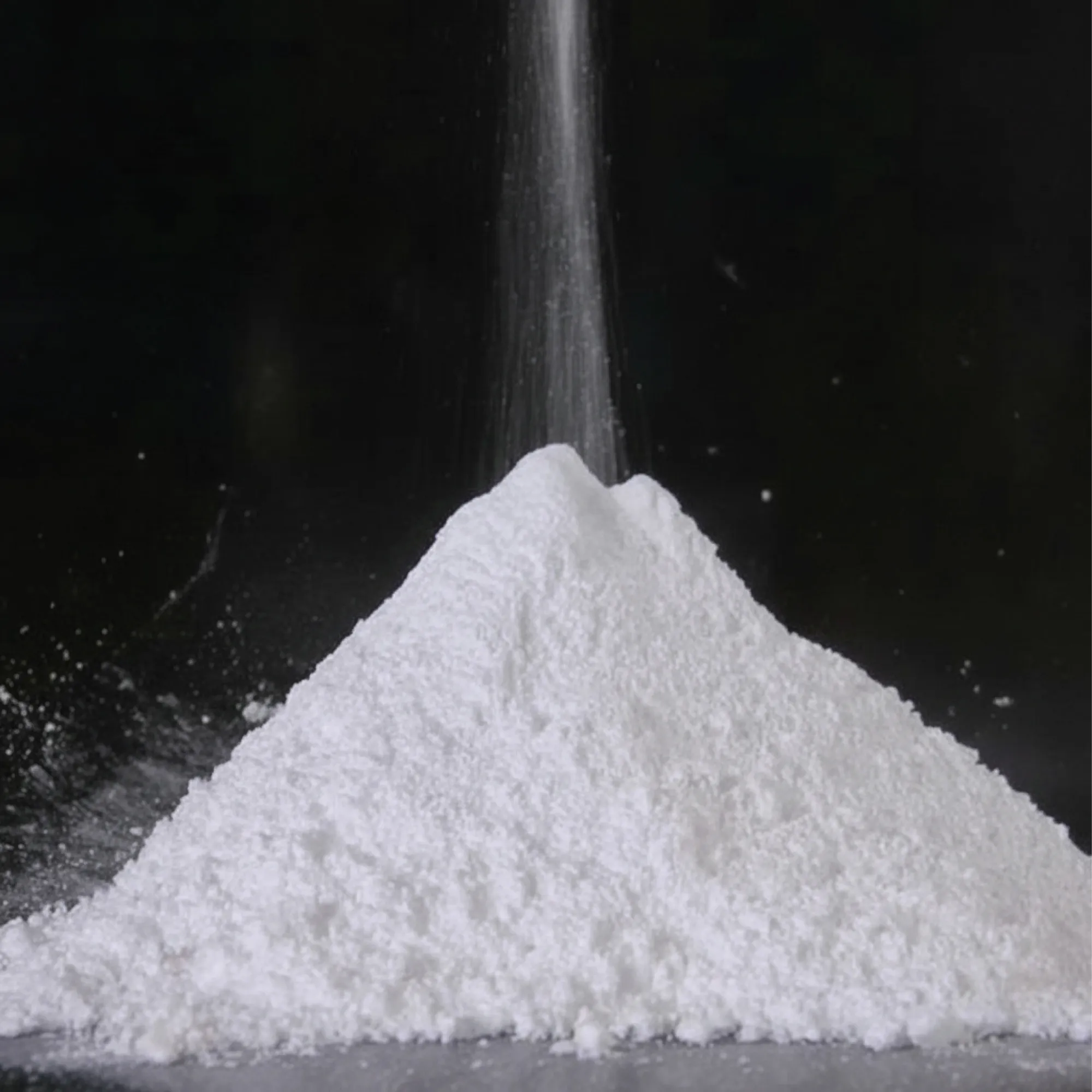
Allulose, a rare sugar found naturally in small quantities in wheat, figs, and raisins, stands out as a breakthrough alternative sweetener. Its defining characteristic lies in its molecular structure, similar to fructose yet with only a fraction of its calories.
Despite its sweet taste, Allulose doesn't spike blood sugar levels due to its negligible impact on glucose levels. This makes it a favored choice for individuals managing diabetes or those seeking to reduce sugar intake without compromising on taste. Its ability to mimic the sweetness of sugar without the caloric load has revolutionized the culinary world, allowing for guilt-free indulgence in sweets and baked goods.
Beetroot Red: Nature's Vivid Hue
Contrasting Allulose's role as a sweetener, Beetroot Red stands as a natural colorant derived from beetroot extract. Its deep, vibrant hue adds visual allure to various food and beverage products while also boasting health benefits.
This natural dye contains betalains, compounds renowned for their antioxidant properties. Apart from imparting a rich red color to food items, Beetroot Red contributes to a healthier alternative to synthetic dyes. It eliminates the need for artificial additives, catering to consumers seeking cleaner labels and more natural, plant-based ingredients in their diet.
Shaping a Health-Conscious Culinary Landscape
The emergence of Allulose and Beetroot Red marks a significant shift in the way food and beverage industries approach ingredients. These elements showcase a commitment to providing healthier alternatives without compromising on taste or visual appeal.
They offer a gateway to a more health-conscious culinary landscape, allowing consumers to make informed choices while satisfying their cravings for sweetness and aesthetically pleasing, naturally vibrant foods. These ingredients have found their way into an array of products, ranging from confectionery and beverages to savory dishes, catering to a diverse audience seeking wellness and sensory delight.
Conclusion
Allulose and Beetroot Red stand as exemplars of innovation and natural solutions within the food industry. The rise of these ingredients highlights a growing consumer demand for health-centric choices without sacrificing taste or visual appeal.
As these elements continue to shape the culinary landscape, they pave the way for a future where healthier alternatives and natural ingredients are not just trends but integral components in the quest for balanced, wholesome lifestyles. The synergy between Allulose's sweet evolution and Beetroot Red's vivid hue underscores a harmonious blend of health, taste, and aesthetics, redefining our approach to food and wellness.


























Sign in to leave a comment.