Exploring Career Opportunities in Diagnostic Radiology
The field of radiology continues to play an important role in modern healthcare, creating opportunities for physicians interested in medical imaging and diag...
Phill Jones
August 12, 2026 ·4 writeups ·joined Aug 2024
5 min read
The field of radiology continues to play an important role in modern healthcare, creating opportunities for physicians interested in medical imaging and diagnostic care. For professionals considering their next career move, diagnostic radiologist jobs can offer opportunities across hospitals, imaging centers, private practices, academic institutions, and remote healthcare settings.
What Does a Diagnostic Radiologist Do?
A diagnostic radiologist specializes in interpreting medical images to help physicians identify, evaluate, and monitor medical conditions. Depending on their training and workplace, radiologists may interpret X-rays, CT scans, MRI studies, ultrasound examinations, mammograms, and other forms of diagnostic imaging.
Their work requires strong analytical skills, attention to detail, medical knowledge, and the ability to communicate findings clearly to referring physicians.
Where Can Radiologists Work?
Diagnostic radiologists can find opportunities in a variety of healthcare environments. Hospitals may offer positions involving a broad range of imaging studies, while specialized imaging centers may focus on particular areas of diagnostic care.
Private practices can provide another career path, often allowing radiologists to work with established physician groups and diverse patient populations. Academic institutions may combine clinical responsibilities with teaching and research.
Remote Radiology Opportunities
Advances in digital imaging and telecommunications have expanded the possibilities for remote radiology work. Teleradiology allows qualified professionals to review medical images from locations outside the facility where the imaging was performed.
Remote positions can offer greater flexibility while still requiring strong communication, technical capabilities, and adherence to applicable professional and regulatory requirements.
Skills That Matter in Radiology Careers
Successful radiologists need more than the ability to interpret images. Critical thinking and attention to subtle imaging findings are essential, particularly when evaluating complex cases.
Communication is also important. Radiologists frequently collaborate with physicians and other healthcare professionals, making clear and concise reporting a valuable professional skill.
Technology knowledge can be equally important as imaging systems and clinical software continue to evolve. Staying familiar with new tools and techniques can help radiologists remain effective in changing healthcare environments.
Choosing the Right Position
When evaluating a radiology opportunity, professionals may consider several factors beyond compensation. Work schedule, case mix, practice environment, technology, location, collaboration, professional development, and workload can all influence job satisfaction.
Some radiologists may prioritize academic opportunities, while others may prefer private practice, hospital-based work, or flexible remote arrangements.
Finding Radiology Career Opportunities
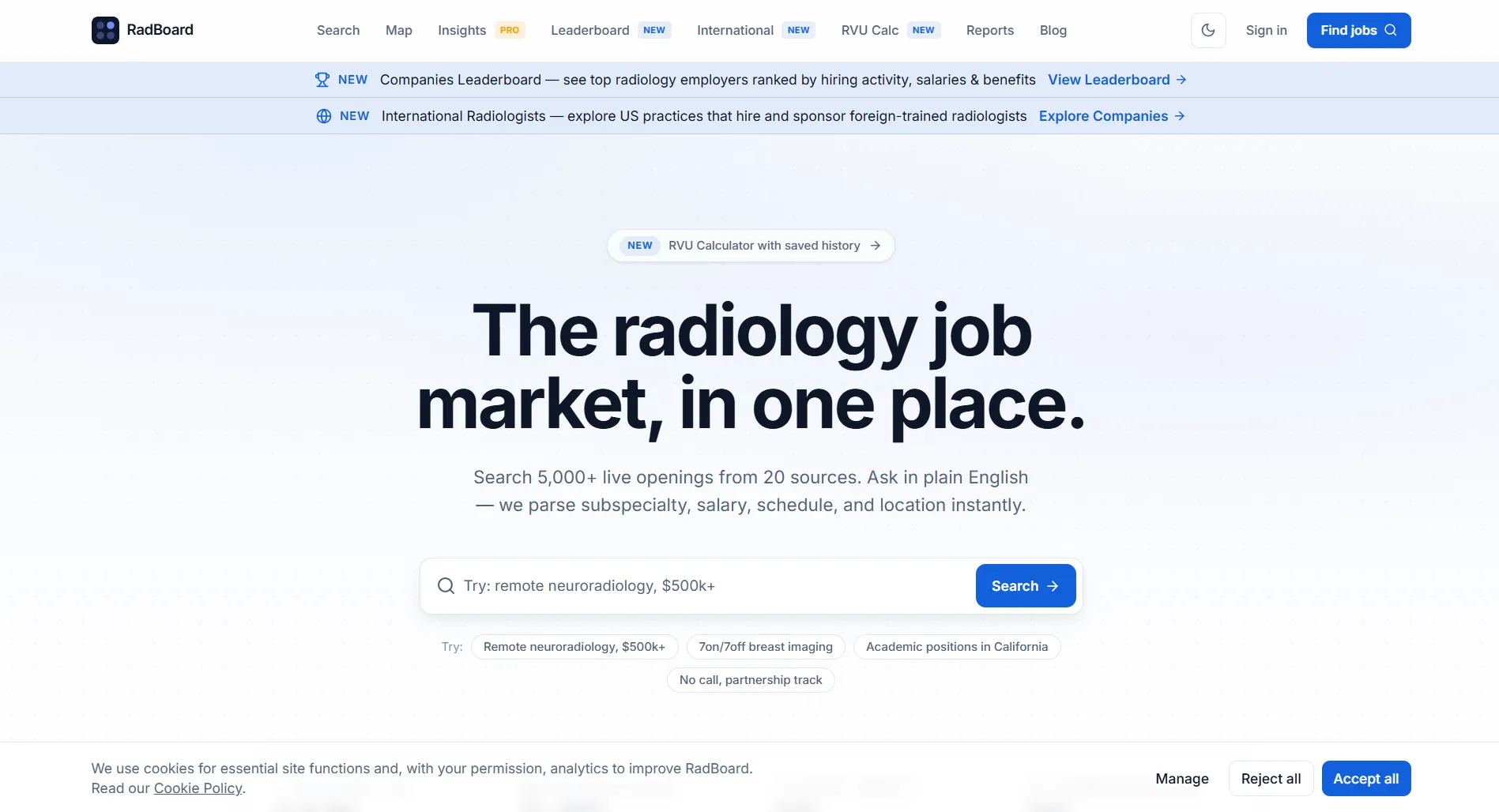
A focused career platform can make the job search more organized by bringing relevant positions together in one place. RadBoard provides a platform for radiology professionals exploring career opportunities across different specialties and work environments.
Professionals can use specialized job resources to discover positions that match their experience, interests, preferred location, and desired practice setting.
Preparing for a Radiology Job Search
A strong professional profile can help candidates present their experience effectively. Keeping a résumé or CV updated with education, training, certifications, clinical experience, specialties, and relevant professional achievements is a useful starting point.
Candidates should also research potential employers and understand the responsibilities associated with each position before applying. Preparing thoughtful questions about workload, scheduling, technology, and professional expectations can help during interviews.
The Future of Radiology Careers
Radiology continues to evolve alongside advances in imaging technology, artificial intelligence, digital workflows, and remote healthcare. These developments may create new ways for radiologists to contribute to patient care and collaborate with medical teams.
Professionals who continue developing their knowledge and adapting to technological changes can position themselves for a wide range of career possibilities.
Conclusion
A career in diagnostic radiology can provide opportunities to work across diverse healthcare settings and imaging specialties. Whether a professional is seeking a hospital position, private practice role, academic opportunity, or remote position, understanding the available options can make the job search more effective. Platforms such as RadBoard can help radiologists explore relevant opportunities and take the next step in their professional careers.






















Sign in to leave a comment.