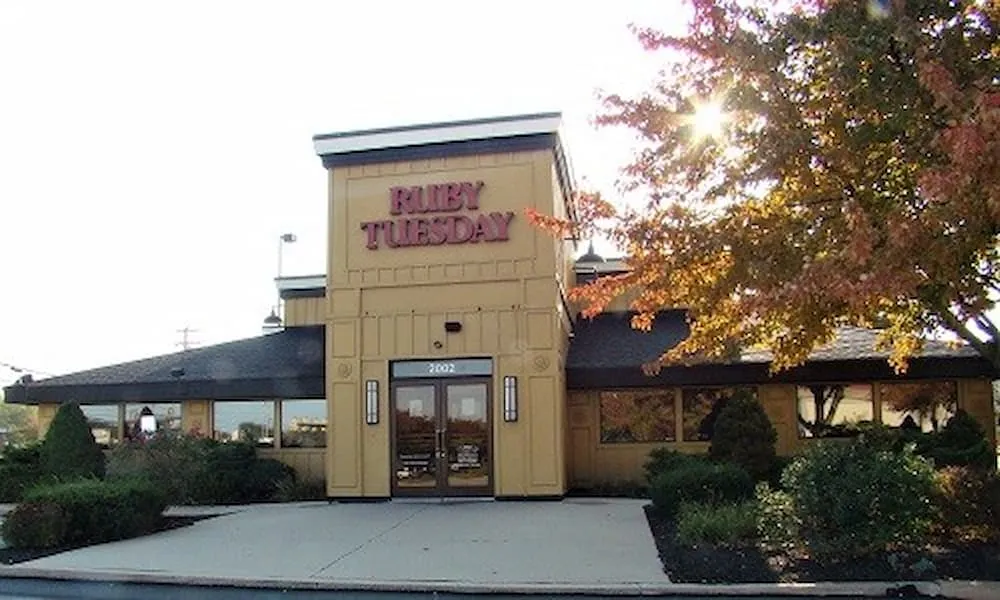

Commercial property investors often examine restaurant assets for their combination of established locations, specialized buildings, customer access, and potential lease income. Within this segment, ruby tuesday real estate can present opportunities for investors evaluating single tenant properties with recognizable restaurant operations. Current property offerings demonstrate that these assets can feature fee simple ownership, absolute NNN leases, corporate guarantees, scheduled rent increases, and long remaining lease terms. One 2026 offering, for example, featured approximately 12 years of remaining lease term and a 20 year initial lease, illustrating the potential structure available in this property category.
Strategic Locations Can Support Long Term Value
Location is one of the most important considerations when evaluating restaurant real estate because accessibility and visibility can directly influence customer activity. Properties situated along established retail corridors, major roads, interstate routes, and growing commercial areas can benefit from strong traffic exposure. A recently marketed property in Lexington, Virginia, was positioned near Interstate 81 and surrounded by established retail and service businesses, highlighting how surrounding demand drivers can strengthen a restaurant property's investment appeal. Investors should examine traffic counts, demographics, nearby businesses, road access, signage, and future development before determining whether a location offers durable long term potential.
Lease Structure Influences Investment Appeal
Lease structure can significantly affect the income characteristics of a restaurant property. Investors generally review remaining lease duration, rent increases, renewal options, maintenance obligations, insurance responsibilities, taxes, and termination provisions. Some current offerings feature absolute NNN arrangements in which the tenant assumes major property expenses, creating a potentially more passive ownership structure. One 2026 property offering included an absolute NNN lease with tenant responsibility for roof and structure, along with scheduled rental increases over multiple lease periods. Investors should carefully examine the actual lease because responsibilities and protections can vary considerably between individual properties.
Corporate Guarantees Can Provide Added Support
A corporate guarantee can be an important consideration when evaluating a single tenant commercial property because it may provide additional support for contractual rent obligations. Current marketing materials for a Ruby Tuesday property in Virginia describe a corporate guaranteed lease combined with an absolute NNN structure and annual rent increases. Such characteristics can appeal to investors seeking predictable income and reduced landlord responsibilities. However, a guarantee should not replace comprehensive underwriting. Investors should review the exact guarantor, financial strength, lease language, default provisions, and available remedies before determining how much protection the guarantee provides within the overall investment structure.
Restaurant Property Size Can Affect Future Flexibility
Restaurant properties typically include specialized improvements such as kitchens, dining areas, parking, driveways, signage, utility systems, and customer service infrastructure. These features can support the existing operation but may also influence future adaptability. A current offering in Lexington, Virginia, lists approximately 5,662 square feet of gross leasable area, while other marketed properties have different building sizes and site configurations. Investors should evaluate whether the building could accommodate another restaurant or alternative commercial use if the current tenant leaves. Flexible layouts and attractive land locations can contribute to residual value beyond the existing lease.
Market Conditions Should Be Evaluated Carefully
Local market conditions can strongly influence the long term potential of restaurant properties. Population growth, household income, employment, tourism, traffic patterns, residential development, and nearby retail activity can determine the depth of the potential customer base. Investors should also examine competing restaurants and changing consumer preferences within the trade area. A strong location may benefit from surrounding development, but excessive competition or weakening demographics can reduce future demand. Market research should therefore include both current conditions and projected changes. Understanding how a property fits into the broader local economy can help investors make more informed decisions about long term commercial opportunities.
Tenant Performance Remains Important
Tenant performance should be evaluated alongside property fundamentals because the ability of a restaurant operator to generate sufficient sales can influence lease sustainability. A recognizable concept does not guarantee that every individual location will perform equally well. Differences in local demographics, competition, rent levels, traffic patterns, and operating costs can create significant variation between properties. Investors should consider available operating information, rent coverage, lease obligations, remaining term, and tenant financial strength where information is available. This analysis becomes particularly important for single tenant assets because a tenant's departure can temporarily eliminate rental income while the property is repositioned or re leased.
Recent Closures Highlight Property Level Risk
Restaurant investors should recognize that established concepts can still experience closures and property level challenges. In May 2026, a Ruby Tuesday location in Jacksonville's Regency area closed, and the underlying restaurant property was subsequently marketed for sale. This example demonstrates why investors should avoid relying solely on tenant recognition when assessing long term value. A closed location can create vacancy risk, but it may also present an opportunity if the property has strong visibility, attractive land value, suitable zoning, and potential alternative uses. Investors should therefore evaluate both occupancy risk and the underlying real estate independently.
Alternative Use Potential Can Protect Value
Alternative use potential is particularly important when evaluating specialized restaurant buildings because future tenant requirements may differ from the existing configuration. Investors should examine zoning, parking, access, building codes, utility capacity, environmental considerations, and surrounding demand to determine whether the property could support another restaurant, retail operation, service business, or other approved use. Properties with strong visibility and flexible layouts may be easier to reposition after lease expiration. Investors should also estimate potential conversion costs before assigning significant value to alternative uses. A realistic assessment of replacement demand can help reduce dependence on one tenant and strengthen long term investment planning.
Due Diligence Supports Better Decisions
Thorough due diligence is essential before acquiring any restaurant property because physical, financial, and contractual issues can materially affect returns. Investors should review title documents, zoning, environmental records, building condition, roof and mechanical systems, parking areas, utilities, signage, insurance, taxes, lease provisions, and potential capital expenditures. Financial analysis should compare the purchase price with projected rental income, capitalization rate, financing costs, and expected expenses. Investors should also examine comparable properties and recent transactions to determine whether the proposed pricing reflects market conditions. Detailed research can help identify hidden liabilities and clarify whether the investment provides adequate compensation for its risks.
Long Term Income Potential
Long term income potential depends on the interaction between lease economics, tenant strength, location quality, and market conditions. Properties with long leases and contractual rent increases can provide greater income visibility, particularly when tenant responsibilities reduce landlord expenses. One current offering includes 10 percent rent increases at five year intervals and multiple future option periods, demonstrating how contractual escalations can potentially influence future income. Investors should nevertheless evaluate whether projected rents remain sustainable for the tenant and consistent with market conditions. Strong rent coverage and realistic lease economics can support a more durable investment strategy.
Portfolio Diversification Opportunities
Restaurant properties can contribute to portfolio diversification by providing exposure to a consumer service sector that may behave differently from office, industrial, healthcare, financial, or other commercial assets. Investors can consider geographic diversification, tenant concentration, lease expiration schedules, and property type when determining whether a restaurant acquisition complements existing holdings. A single tenant asset may provide straightforward management characteristics, but it can also introduce concentration risk if the tenant experiences financial or operational difficulties. Combining restaurant properties with assets from unrelated sectors may help create a more balanced portfolio. Diversification should always be evaluated alongside valuation, income quality, and overall risk tolerance.
Conclusion
Restaurant properties can offer interesting long term commercial opportunities when strong locations, durable lease structures, favorable property fundamentals, and sustainable tenant economics come together. Current offerings demonstrate that some assets can feature absolute NNN leases, corporate guarantees, scheduled rent increases, and extended lease terms, while recent closures illustrate the importance of evaluating tenant and property risks independently. Investors should focus on location, lease quality, market conditions, property adaptability, tenant performance, and acquisition pricing before committing capital. Careful underwriting and comprehensive due diligence can help identify opportunities with sustainable income potential. NNN Trends by Equity CRE can provide valuable insights for investors researching commercial real estate and net lease investment opportunities.


























Sign in to leave a comment.