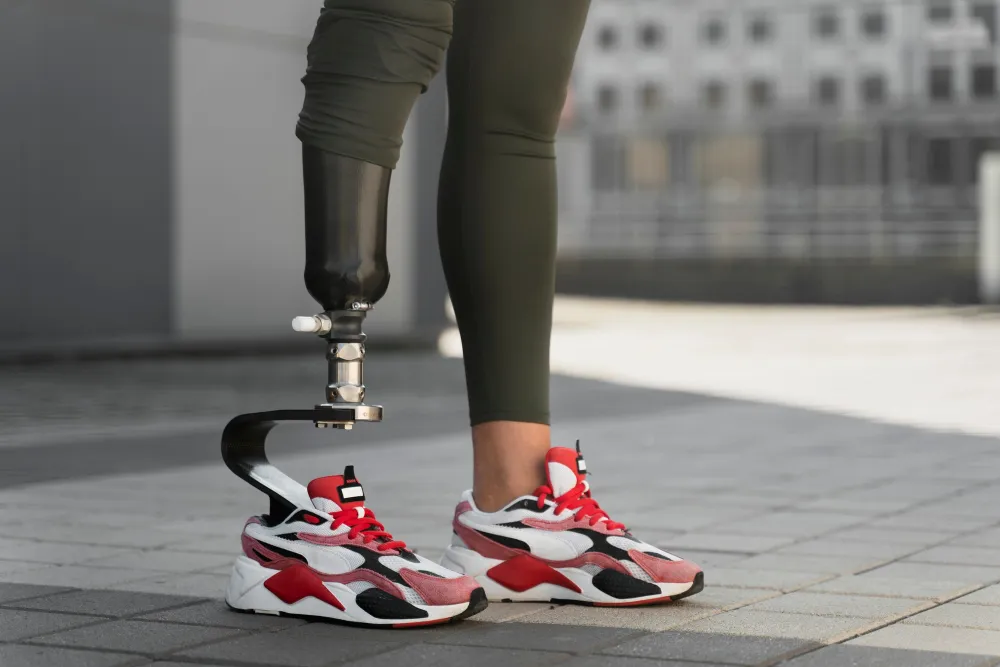

Choosing the right prosthetic solution can be an important step toward improving mobility, independence, comfort, and confidence after limb loss. Individuals have different physical conditions, lifestyles, activity levels, and personal goals, which means prosthetic care should be tailored rather than standardized. Professional prosthetic limb services can help individuals understand available options and identify solutions that correspond with their specific requirements. From initial evaluation and socket fitting to component selection, rehabilitation, and long term adjustments, personalized care can address multiple aspects of prosthetic use. A thoughtful approach can help individuals achieve practical mobility while supporting greater participation in everyday activities.
Understanding Personalized Prosthetic Care
Personalized prosthetic care begins with understanding the individual rather than immediately selecting a device. A prosthetic professional evaluates the residual limb, physical abilities, mobility level, lifestyle, and functional goals before recommending an appropriate solution. Factors such as skin condition, muscle strength, balance, joint movement, body weight, and previous prosthetic experience can influence the final design. Daily routines are also important because a person who primarily walks indoors may have different needs from someone who works outdoors or participates in recreational activities. Detailed assessment helps create a prosthetic plan that reflects realistic expectations and individual circumstances.
Why Individual Needs Matter
No two individuals experience limb loss in exactly the same way. Even people with the same amputation level can have different residual limb shapes, strength levels, balance abilities, occupations, and mobility goals. These differences can affect socket design, suspension methods, component selection, and rehabilitation requirements. Personalized care allows professionals to consider these variations when developing a prosthetic solution. Instead of relying on a standard configuration, the prosthetic team can adjust recommendations according to the person’s physical condition and lifestyle. This approach can improve the likelihood that the final device will provide meaningful support during everyday activities.
Initial Evaluation and Assessment
A comprehensive evaluation is an essential part of professional prosthetic care. During an assessment, the prosthetist examines the residual limb and considers factors that may affect prosthetic performance. These can include limb shape, tissue condition, muscle strength, range of motion, balance, posture, and existing mobility. The professional may also discuss the individual’s daily routine, employment, hobbies, and future activity goals. Previous experience with prostheses can provide additional information about what has worked or caused difficulties. Combining clinical findings with personal priorities allows the prosthetic team to develop recommendations that are more closely aligned with the individual’s needs.
Understanding Mobility Goals
Mobility goals can vary considerably from one individual to another. Some people may primarily want to walk comfortably around their home, while others may hope to return to work, travel independently, exercise, or participate in sports. These goals can influence the type of prosthetic components that may be considered. The prosthetist should understand both current abilities and future objectives before making recommendations. Establishing realistic goals also helps guide rehabilitation and training. When prosthetic care is connected to meaningful personal objectives, individuals can better understand why particular components, fitting approaches, and training strategies may be recommended.
Socket Design and Comfort
The socket is a critical part of most prosthetic systems because it connects the residual limb to the prosthesis. A properly designed socket can support stability, comfort, and control, while an unsuitable fit may contribute to pressure, irritation, discomfort, or difficulty during movement. Prosthetists use measurements and clinical assessment to develop a socket that accommodates the individual’s residual limb characteristics. Follow up appointments are important because limb volume and shape can change over time. Adjustments may therefore be needed to maintain comfort and function as the individual becomes more experienced with the prosthesis or experiences physical changes.
Monitoring Residual Limb Health
Residual limb health should remain an important consideration throughout prosthetic use. Individuals should regularly monitor the skin for redness, pressure areas, irritation, swelling, or other changes. Persistent discomfort should not simply be accepted as part of wearing a prosthesis because it may indicate a problem with fit, suspension, alignment, or another component. A prosthetist can evaluate these concerns and determine whether adjustments are appropriate. Proper hygiene and gradual increases in prosthetic wear can also support adaptation. Ongoing attention to the residual limb can help individuals recognize concerns early and maintain more comfortable prosthetic use.
Selecting Prosthetic Components
Modern prosthetic systems can include various feet, knees, hands, suspension systems, and specialized components. Selecting the right combination requires consideration of the individual’s physical abilities, activity level, goals, comfort, and environment. Advanced technology may provide valuable features for certain users, but it is not automatically appropriate for everyone. The prosthetist can explain the purpose, benefits, limitations, maintenance requirements, and expected performance of different options. This allows individuals to participate in informed decision making. Component selection should ultimately focus on useful function and personal requirements rather than technology alone.
Considering Activity and Lifestyle
Activity level can strongly influence prosthetic component selection. Someone who spends much of the day sitting may have different requirements from someone who regularly walks long distances or works in a physically demanding environment. Individuals involved in recreational activities may need components that support specific movement patterns or environmental conditions. Lifestyle discussions should therefore include work responsibilities, exercise, hobbies, travel, household activities, and future goals. A detailed understanding of daily life enables the prosthetic team to consider how the device will function outside the clinic. This can help create a solution that supports practical and meaningful mobility.
Suspension and Stability
A suspension system helps keep the prosthesis securely connected to the residual limb. Different suspension approaches may be available, and the appropriate choice can depend on residual limb shape, skin condition, activity level, comfort, and prosthetic design. Effective suspension can reduce unwanted movement and improve confidence during walking or other activities. During fitting, the prosthetist evaluates how securely the device remains connected and whether pressure is distributed appropriately. If the individual experiences looseness, discomfort, or movement within the socket, the professional can assess the problem. Adjustments may improve the connection and overall experience.
Alignment and Movement
Proper alignment can influence balance, comfort, walking efficiency, and overall prosthetic performance. After fitting, the prosthetist may observe standing and walking movements to identify areas that require adjustment. Alignment can be refined according to the individual’s movement patterns, component configuration, and functional requirements. Physical therapists may also contribute through gait training and rehabilitation exercises. Individuals should communicate if walking feels unstable, uncomfortable, or unusually tiring. Professional evaluation can help determine whether alignment, socket fit, component selection, or another factor may be contributing to the problem. Regular monitoring supports continued optimization as the individual adapts.
Rehabilitation and Training Support
Prosthetic fitting is only one part of the journey toward effective mobility. Many individuals benefit from rehabilitation and training that help develop strength, balance, coordination, and confidence. Training may include standing, transferring weight, walking, turning, navigating stairs, and managing different surfaces. The level of training required depends on the individual’s physical condition, previous experience, amputation level, and goals. Collaboration between prosthetists and rehabilitation professionals can provide a more coordinated approach. Gradual training can help individuals become familiar with the prosthesis and develop safer movement patterns while working toward greater independence.
Adapting to a New Prosthesis
Adapting to a new prosthesis can take time, particularly when an individual is receiving a prosthetic limb for the first time. The person may initially notice unfamiliar sensations related to weight, socket pressure, balance, or movement. Gradual practice can help the body become more accustomed to the device. Follow up appointments provide opportunities to discuss difficulties and make necessary adjustments. Individuals should communicate openly about discomfort or challenges rather than attempting to manage persistent problems independently. Consistent guidance and realistic expectations can make the adaptation process more manageable and help build confidence through repeated successful experiences.
Prosthetic Services for Different Limb Loss Levels
Prosthetic care varies according to the level and location of limb loss. Lower limb prostheses may include designs for individuals with partial foot, ankle level, below knee, or above knee amputations. Upper limb prostheses can also vary depending on whether the hand, wrist, forearm, or upper arm is affected. Each level presents different functional considerations. The prosthetist evaluates the remaining limb and surrounding joints before developing recommendations. Understanding the individual’s specific level of limb loss helps determine appropriate socket design, suspension, component selection, and rehabilitation strategies that can support functional movement.
Lower Limb Prosthetic Needs
Lower limb prostheses are generally designed to support standing, walking, balance, and other mobility activities. Individuals with different amputation levels may require different combinations of feet, ankles, knees, sockets, and suspension systems. Activity requirements can also influence component selection. Someone who walks primarily on smooth indoor surfaces may have different needs from someone who regularly encounters uneven outdoor terrain. The prosthetist evaluates these factors before recommending a configuration. Proper fitting and alignment can contribute to improved stability and comfort. Continued rehabilitation can further help individuals develop confidence and control while using the prosthesis.
Upper Limb Prosthetic Needs
Upper limb prostheses can support activities involving reaching, holding, positioning, and manipulating objects. The appropriate design depends on the level of limb loss and the individual’s functional goals. Some individuals may prioritize appearance, while others may focus primarily on practical tasks or specific occupational activities. The prosthetist considers these preferences alongside physical abilities and expected use. Different terminal devices and control approaches may be available depending on the individual’s circumstances. Training can help users develop practical techniques for incorporating the prosthesis into daily routines, work tasks, household activities, and other meaningful activities.
Long Term Prosthetic Support
Personalized prosthetic care should continue after the initial fitting because individual needs can change over time. Residual limb volume may fluctuate, activity levels may increase, and components can experience normal wear. A prosthesis that works well initially may eventually require adjustments or replacement parts. Regular follow up allows the prosthetist to evaluate fit, comfort, alignment, and component performance. Individuals should also communicate changes in mobility goals or lifestyle. Long term support helps ensure that the prosthesis continues to remain appropriate as the individual’s physical condition and daily requirements develop.
Maintenance and Adjustments
Regular maintenance can help preserve prosthetic function and identify potential problems before they become more disruptive. Individuals should follow professional recommendations for cleaning, inspection, component care, and scheduled evaluations. Signs such as unusual noises, changes in alignment, looseness, discomfort, or reduced performance should be discussed with the prosthetist. Depending on the situation, adjustments, repairs, or component replacement may be appropriate. Professional maintenance can also help extend the useful life of certain prosthetic components. Consistent care supports reliability and can reduce interruptions to daily mobility.
Evaluating the Overall Care Experience
When choosing prosthetic services, individuals should evaluate more than the physical device. The quality of assessment, communication, fitting, rehabilitation coordination, follow up care, and accessibility can all influence the overall experience. A provider should take time to understand the individual’s concerns and explain recommendations clearly. Individuals may also want to ask about adjustment procedures, repair services, component availability, and long term support. Choosing a provider that offers comprehensive care can make it easier to address changing needs. A strong professional relationship can become an important part of maintaining mobility and confidence over time.
Asking Important Questions
Individuals can prepare questions before their first prosthetic consultation to make the appointment more productive. Questions may address available prosthetic options, socket fitting, suspension systems, component choices, expected adjustment periods, rehabilitation support, maintenance, and future modifications. It can also be useful to discuss the individual’s work requirements, hobbies, activity goals, and concerns about comfort. Clear communication helps the prosthetist understand priorities and allows the individual to make informed choices. Asking questions also gives individuals an opportunity to understand the complete care process and determine whether a provider’s services are suitable for their long term needs.
Making an Informed Prosthetic Decision
Choosing personalized prosthetic care requires careful consideration of physical needs, lifestyle, mobility goals, comfort, technology, rehabilitation, maintenance, and long term support. Individuals should avoid selecting a prosthesis based solely on appearance, price, location, or advanced features. Instead, professional assessment should guide decisions about socket design, suspension, alignment, and components. Open communication can help ensure that the prosthetic team understands both current challenges and future objectives. With appropriate planning and continuing support, prosthetic care can provide meaningful assistance with mobility and daily activities while helping individuals work toward greater independence and confidence.
Conclusion
Personalized prosthetic care recognizes that every individual has unique physical requirements, mobility goals, lifestyle demands, and expectations. From the initial assessment and socket design to component selection, rehabilitation, maintenance, and long term adjustments, each stage can influence comfort and function. Professional guidance helps individuals understand their choices and develop a prosthetic solution suited to their circumstances. Individuals exploring comprehensive prosthetic limb services can consider Gainesville Prosthetics when seeking personalized care designed around comfort, mobility, independence, and changing everyday needs.






















Sign in to leave a comment.