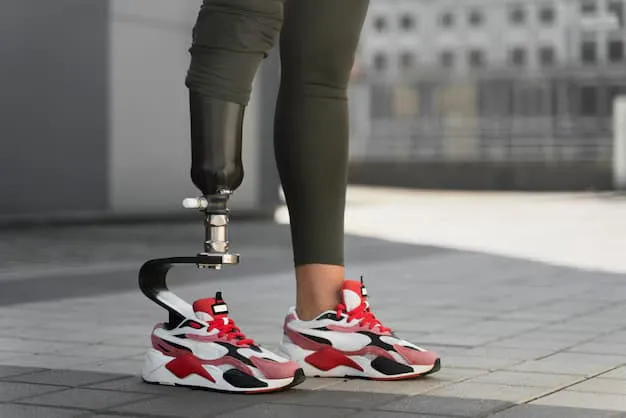

Regaining independence after limb loss often involves more than receiving an artificial limb. Individuals may need personalized assessments, carefully fitted devices, rehabilitation guidance, and ongoing adjustments to support their daily routines. Prosthetic limb services help address these needs by connecting individuals with appropriate prosthetic technology and professional care throughout different stages of recovery. From improving walking ability to supporting everyday tasks, these services can help individuals work toward greater confidence and participation in daily life. Understanding the available services allows individuals and families to make informed decisions about comfort, mobility, and long term prosthetic care.
Understanding Prosthetic Limb Services
Prosthetic care involves several connected services designed to help individuals use an artificial limb safely and comfortably. These services may begin with an initial consultation and continue through evaluation, device selection, fabrication, fitting, training, and follow up appointments. Each stage addresses different needs, depending on the individual's amputation level, physical abilities, lifestyle, and personal goals. A customized approach helps ensure that the prosthesis is suitable for the person's daily activities. Professional guidance also allows individuals to understand how different components function and what adjustments may be necessary as their needs change.
Initial Evaluation and Personalized Planning
The initial evaluation helps a prosthetist understand the individual's physical condition, residual limb characteristics, mobility goals, and daily requirements. The assessment may include reviewing the residual limb, examining movement patterns, and discussing previous prosthetic experiences. Individuals who are receiving their first prosthesis may need different guidance from those replacing an existing device. The evaluation helps establish a plan that considers comfort, safety, function, and long term maintenance. By identifying individual priorities early, the prosthetic team can recommend suitable options and explain the steps involved in obtaining and using the device.
Selecting an Appropriate Prosthesis
Different prostheses serve different purposes, and the appropriate design depends on the level of limb loss and the individual's functional requirements. Lower limb prostheses may support standing, walking, and balance, while upper limb devices may assist with grasping, holding, and other tasks. Component choices can also vary according to activity levels and personal preferences. A prosthetist explains available options and discusses their benefits, limitations, and maintenance requirements. This process helps individuals select a device that supports realistic goals rather than choosing components based only on appearance or advanced technology.
How Prosthetic Services Improve Everyday Mobility
Mobility can influence many aspects of daily independence, including getting around the home, shopping, attending appointments, and participating in community activities. Prosthetic services help individuals work toward these goals by addressing the fit, alignment, and function of the device. A properly fitted lower limb prosthesis can support standing and walking when combined with appropriate rehabilitation and training. The results vary according to individual circumstances, including strength, balance, residual limb health, and the type of prosthesis. Regular professional support helps identify problems that may interfere with comfortable movement.
Supporting Walking and Balance
Walking with a prosthetic leg involves coordination between the residual limb, prosthesis, and the rest of the body. Socket fit, alignment, knee function, and foot design can all influence stability and movement. Prosthetic services may include gait assessments and adjustments that help address uneven steps, discomfort, or difficulty managing different surfaces. Physical therapy may also help individuals develop strength, balance, and coordination. These services can support safer movement during everyday activities, although the level of improvement depends on the person's health, rehabilitation progress, and the capabilities of the selected prosthesis.
Making Daily Activities More Manageable
Everyday activities often require a combination of movement, balance, and endurance. These may include getting dressed, preparing meals, completing household tasks, commuting, or returning to work. Prosthetic services consider how the device will be used in these situations and whether its design supports the individual's routine. Training may help users learn practical techniques for managing the prosthesis and adapting to different environments. When concerns arise during daily use, follow up appointments can help identify adjustments that may improve comfort and function. Personalized support can make it easier to develop practical routines over time.
The Importance of Proper Prosthetic Fitting
A prosthesis must fit the individual rather than requiring the individual to tolerate persistent discomfort. The socket is particularly important because it connects the prosthesis to the residual limb and influences how pressure is distributed during movement. An unsuitable fit may contribute to skin irritation, pressure points, instability, or difficulty wearing the device for extended periods. Prosthetic services include fitting assessments and adjustments to address these concerns. The process may require multiple appointments because the residual limb can change shape and volume during recovery and throughout long term use.
Socket Design and Comfort
Socket design depends on the shape, condition, and sensitivity of the residual limb. Prosthetists consider these factors when selecting materials and developing a socket that provides appropriate support. The suspension system also helps keep the prosthesis securely attached during movement. If a user experiences discomfort, slipping, or unusual pressure, the device may need professional evaluation. Individuals should communicate these concerns rather than making unauthorized changes to the socket. Timely adjustments can help address fitting problems and support more consistent prosthesis use during everyday activities.
Alignment and Functional Adjustments
Alignment describes how the prosthetic components are positioned in relation to one another and the user's body. Even small changes can affect walking patterns, balance, and comfort. During follow up visits, a prosthetist may assess the individual's posture, movement, and response to the device. Adjustments may be recommended when the prosthesis feels unstable or causes unusual strain. Alignment requirements can change as users develop new movement skills or return to different activities. Regular evaluations help ensure that the prosthesis continues to support the person's functional goals as circumstances evolve.
Prosthetic Training and Rehabilitation
Receiving a prosthesis is an important step, but learning to use it effectively may require practice and professional guidance. Rehabilitation can help individuals develop the strength, coordination, balance, and movement strategies needed for their particular device. Training needs vary depending on the amputation level, physical condition, previous mobility experience, and personal goals. Some individuals may need support with basic standing and walking, while others may focus on stairs, uneven surfaces, workplace tasks, or recreational activities. A coordinated rehabilitation plan can help individuals build skills at a manageable pace.
Learning to Use a Prosthetic Leg
Individuals using a lower limb prosthesis may need to practice weight shifting, standing, walking, turning, and navigating obstacles. Training can also address getting up from a seated position, managing ramps, and using stairs when appropriate. A physical therapist or other qualified rehabilitation professional may work with the prosthetist to address movement difficulties and identify areas for improvement. Practice should follow professional recommendations and account for the individual's safety and endurance. Gradual skill development can help users become more familiar with the device and understand how to manage it during everyday routines.
Developing Confidence Through Practice
Confidence with a prosthesis often develops through repeated practice and experience. Early activities may focus on basic movements in a controlled environment before progressing to more challenging situations. Individuals may benefit from discussing concerns about balance, fatigue, discomfort, or specific daily tasks with their rehabilitation team. Training can then be adjusted to address these priorities. Progress varies from person to person, and recovery may involve periods of adjustment. Setting practical goals and reviewing them regularly can help individuals recognize improvements while identifying areas where additional support may be useful.
How Prosthetic Limb Services Support Different Activity Levels
People use prostheses in different ways depending on their daily routines, work responsibilities, recreational interests, and physical abilities. Some individuals primarily need support for basic household mobility, while others want to walk longer distances, return to physically demanding jobs, or participate in sports. Prosthetic services help assess these differences when selecting components and planning rehabilitation. Activity level alone does not determine the appropriate device. Residual limb condition, balance, strength, safety considerations, and personal preferences also influence the recommendations made by the prosthetic care team.
Prosthetic Solutions for Everyday Activities
Individuals whose primary goals involve household movement, short walks, and routine errands may benefit from a prosthesis designed around stability, comfort, and ease of use. The device should accommodate the surfaces and activities encountered most often. Proper fitting and regular maintenance remain important even when activity demands are relatively modest. A prosthetist can explain which components are appropriate and whether particular features are necessary for the person's routine. Considering everyday needs helps ensure that the selected device offers practical support without adding unnecessary complexity or expense.
Supporting Active Lifestyles
Individuals who enjoy longer walks, recreational exercise, or more demanding physical activities may require different component characteristics. Depending on the amputation level and activity, a prosthetist may discuss feet or joints designed to support particular movement patterns. Some activities may require specialized equipment, additional training, or specific safety precautions. Not every prosthesis is suitable for every sport or environment, so recommendations should be based on a professional assessment. Discussing activity goals early helps the care team consider appropriate options and identify any additional training or maintenance requirements.
Skin Health and Residual Limb Care
Maintaining residual limb health is an important part of successful prosthesis use. The skin may be exposed to pressure, friction, moisture, and heat inside the socket. Poor fit or prolonged irritation can lead to redness, discomfort, or skin breakdown. Prosthetic services help individuals understand how to monitor the residual limb and recognize signs that require attention. Regular inspection, appropriate hygiene, and following the care team's instructions can help reduce avoidable problems. Persistent redness, open areas, swelling, or increasing pain should be discussed promptly with an appropriate healthcare professional.
Establishing a Daily Care Routine
A daily routine may include cleaning the residual limb and prosthetic liner according to professional instructions, checking the skin, and ensuring that the socket and suspension components are clean and functioning correctly. Users should follow the manufacturer's guidance for cleaning and drying materials. They should also avoid changing the fit with unauthorized padding or modifications because these changes may affect pressure distribution. If the residual limb changes in size or shape, the prosthesis may need adjustment. Consistent care and communication with the prosthetic team can help identify concerns before they interfere significantly with daily use.
Recognizing When Professional Adjustments Are Needed
Changes in residual limb volume, body weight, activity level, or skin condition can affect prosthetic fit. Users may notice increased movement inside the socket, difficulty putting on the device, new pressure points, or discomfort during walking. These signs may indicate that an evaluation is needed. A prosthetist can assess the fit and recommend appropriate adjustments or replacement components when necessary. Individuals should not ignore persistent discomfort simply because they have become accustomed to wearing the prosthesis. Addressing fitting concerns early can support comfort and reduce interruptions to everyday activities.
Maintenance and Long Term Prosthetic Care
A prosthesis requires ongoing care to remain comfortable and functional. Components may experience wear through repeated use, and some parts need periodic replacement. Maintenance requirements depend on the design, materials, frequency of use, and manufacturer's recommendations. Prosthetic services may include routine inspections, repairs, alignment checks, and replacement of worn items. Individuals should understand how to care for their particular device and where to seek assistance when a problem develops. Planning for maintenance helps users anticipate future expenses and reduces the risk of avoidable disruption to daily routines.
Understanding Replacement and Repair Needs
Liners, sleeves, suspension components, and other parts may need replacement as they wear out. Mechanical and electronic components may also require servicing or repair. The timing depends on usage, environmental conditions, and manufacturer guidance. A prosthetist can explain expected maintenance schedules and identify which repairs may be covered by a warranty or insurance plan. Keeping records of appointments and repairs can help individuals track expenses and plan for future needs. Promptly reporting changes in device function is important, particularly when the prosthesis becomes unstable or uncomfortable.
Adapting to Changes Over Time
Prosthetic needs can change as individuals recover, develop new skills, or adjust their daily activities. Residual limb volume may fluctuate, and a socket that once fitted comfortably may eventually require modification. Changes in work responsibilities or recreational goals may also affect component requirements. Regular reviews help determine whether the existing device remains appropriate. A prosthetist can discuss whether adjustments, replacement parts, or a new prosthesis may be necessary. Ongoing care allows the device and treatment plan to respond to changing needs rather than relying on the original fitting indefinitely.
Choosing a Prosthetic Care Provider in Gainesville
Finding a suitable prosthetic provider involves considering clinical experience, fitting services, available components, communication, and access to follow up care. Individuals should ask how the provider evaluates different amputation levels, explains component choices, and addresses discomfort after delivery. It is also useful to discuss rehabilitation coordination, repair arrangements, expected maintenance costs, and insurance documentation. These details can help individuals understand the support available throughout their prosthetic journey. A provider who explains options clearly can help patients and families participate in decisions about comfort, mobility, and long term care.
Questions to Ask During a Consultation
During an initial consultation, individuals can ask which prosthetic designs may suit their amputation level and activity goals. They can also ask what the quoted cost includes, how many fitting appointments may be required, and whether follow up adjustments are available. Questions about replacement liners, maintenance, warranties, and insurance coverage can clarify ongoing responsibilities. Individuals may wish to discuss concerns about skin health, walking confidence, or returning to work. Preparing questions in advance helps make the appointment more productive and ensures that important practical concerns are addressed.
Personalized Support From Gainesville Prosthetics
For individuals exploring local prosthetic care, Gainesville Prosthetics is a resource to consider when learning about evaluations, fitting requirements, and ongoing prosthetic support. The needs of each individual differ according to the amputation level, residual limb condition, lifestyle, and mobility goals. Discussing these factors with a qualified prosthetic care professional can help clarify available options and identify the services that may be needed. Individuals should confirm which services are offered, whether their insurance is accepted, and what costs may apply before beginning treatment.
Conclusion
Prosthetic limb services can support everyday independence by combining personalized device selection, careful fitting, rehabilitation, maintenance, and ongoing professional guidance. The most appropriate services depend on each individual's physical needs, activity goals, and experience with a prosthesis. With consistent care and practical planning, individuals can work toward improved comfort, safer movement, and greater participation in daily routines. For those exploring prosthetic care in Gainesville, Gainesville Prosthetics can be a starting point for discussing individualized needs, fitting considerations, and follow up support. Asking questions and reviewing available options helps individuals make informed decisions throughout their prosthetic journey.
















Sign in to leave a comment.