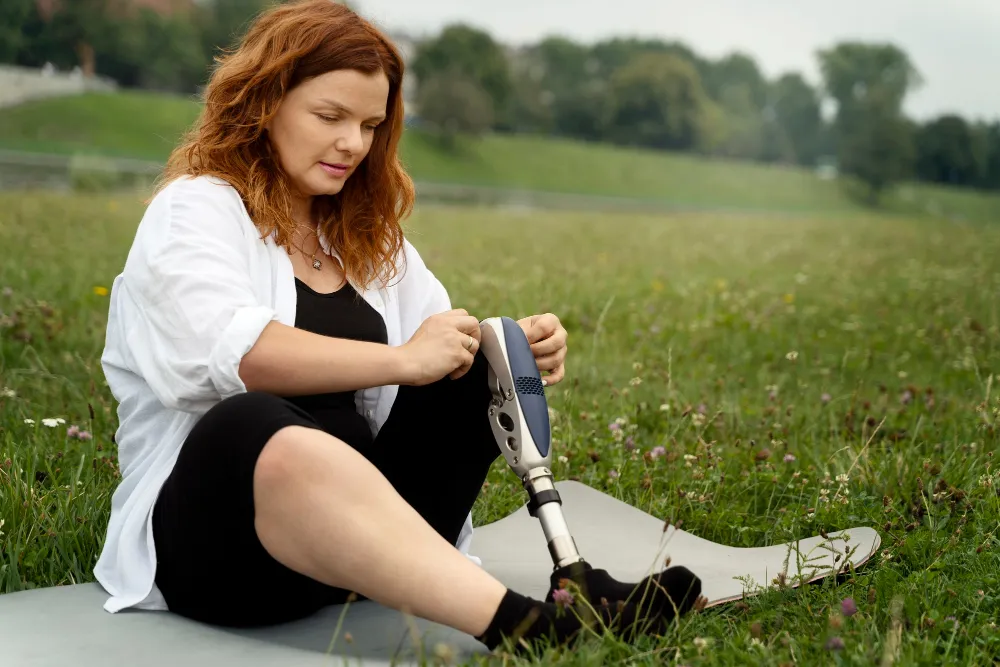

Choosing a prosthetic knee is an important step for people seeking greater confidence, comfort, and independence during daily movement. A suitable device can influence walking stability, energy use, balance, and participation in everyday activities. A microprocessor prosthetic knee can offer advanced control by continuously responding to movement and adjusting resistance according to changing conditions. Understanding how these knees work, what features matter, and how individual mobility goals affect selection can help users and care teams make informed decisions. Careful assessment remains essential because no single knee design is appropriate for every person.
Understanding Microprocessor Knee Technology
A microprocessor knee uses electronic sensors, software, and mechanical components to manage knee movement during different phases of walking. Sensors can monitor factors such as position, speed, loading, and movement patterns, allowing the system to adjust resistance rapidly. This technology can support smoother transitions between walking phases and may provide greater stability than some conventional mechanical designs. The overall objective is controlled movement that responds to changing circumstances. Because users have different strengths, activity levels, and balance abilities, professional evaluation is necessary before selecting a particular system or configuration.
How Electronic Control Supports Movement
During walking, the knee must respond differently when the user places weight on the prosthesis, advances the limb, or prepares for the next step. Microprocessor control can recognize these phases and modify resistance to support appropriate movement. Some systems can also respond when walking speed changes, helping the knee accommodate slower or faster patterns. This responsiveness may make everyday activities feel more predictable. However, electronic sophistication alone does not determine suitability. Socket comfort, alignment, suspension, rehabilitation, and user training remain important parts of achieving reliable function with a prosthetic knee.
Stability During Everyday Activities
Many users need a prosthetic knee that supports more than straightforward walking on a level surface. Everyday environments can include ramps, stairs, uneven ground, curbs, crowded spaces, and changes in walking speed. Certain microprocessor systems are designed to recognize changing conditions and provide controlled resistance that may help improve stability. Some models include functions intended for sitting, standing, or negotiating specific terrain. These capabilities can be valuable for people whose routines involve varied environments. A prosthetist can determine which functions are genuinely useful rather than recommending features that add complexity without meaningful benefit.
Assessing Individual Mobility Needs
The right knee should reflect the user's lifestyle, physical abilities, goals, and environment. Someone who primarily walks indoors may have different requirements from someone who regularly travels outdoors, works on varied surfaces, or participates in recreational activities. Strength, balance, residual limb condition, coordination, and previous prosthetic experience can also influence the decision. A comprehensive assessment helps identify movement patterns and challenges that may affect performance. Discussing daily routines honestly with a prosthetist gives the clinical team useful information for selecting technology that supports practical needs instead of focusing only on advanced specifications.
Considering Activity Level
Activity level is one of the most useful factors when comparing prosthetic knee options. A person with a relatively predictable routine may prioritize dependable stability and comfortable everyday walking. A more active user may need responsive control across different speeds, terrain, and activities. The ideal choice should provide useful support without creating unnecessary complexity. Activity classifications can help professionals organize options, but they should not replace individualized evaluation. A person's goals can change over time, so the selected system should also be considered in relation to rehabilitation progress, future mobility expectations, and realistic long term use.
Evaluating Terrain and Environment
The environments where a person walks can significantly influence prosthetic knee selection. Smooth indoor floors present different demands than grass, gravel, slopes, stairs, or busy public spaces. A user who frequently encounters uneven terrain may benefit from technology designed to provide responsive control in changing situations. Climate and daily exposure to moisture may also matter when considering available features and care requirements. Transportation habits, workplace conditions, and home layout can provide additional clues. A detailed conversation about these environments helps the prosthetist identify functions that can improve confidence while avoiding features that are rarely needed.
Comparing Important Features
Different microprocessor knees can vary in their control strategies, programming options, weight, battery requirements, water resistance, activity support, and maintenance needs. Users should consider how each feature relates to actual daily requirements rather than choosing based on technology alone. A lighter system may be appealing, while another design may provide functions better suited to challenging terrain. Battery life and charging routines can also affect convenience. Some systems allow clinicians to adjust settings to match changing needs. Reviewing these factors with a qualified professional can make comparisons clearer and help users understand practical advantages and limitations.
Comfort, Weight, and Fit
A technologically advanced knee cannot perform well if the overall prosthesis is uncomfortable or poorly fitted. Weight distribution, socket design, alignment, suspension, and component compatibility all contribute to the user's experience. Even small fitting issues can affect gait, confidence, and willingness to use the prosthesis throughout the day. Users should therefore evaluate the complete prosthetic system rather than judging the knee component separately. A professional fitting process can identify pressure concerns and movement problems while allowing adjustments as the person becomes more experienced. Comfort should remain a central consideration alongside electronic functionality.
Battery and Maintenance Considerations
Electronic knees depend on power and require appropriate maintenance, so practical routines deserve attention before selection. Users should understand how the device is charged, how long a battery typically supports normal use, and what happens when power becomes low. They should also learn recommended cleaning, inspection, servicing, and software update procedures. These responsibilities may differ among products and can influence everyday convenience. Access to qualified service support is another consideration, particularly for people who rely heavily on their prosthesis. Understanding maintenance expectations in advance helps users prepare for dependable operation and reduce avoidable interruptions.
The Importance of Professional Fitting
Selecting a knee is only one part of creating a functional prosthesis. A prosthetist evaluates the residual limb, gait pattern, strength, alignment, socket relationship, and intended activities before configuring the component. Trial fitting and follow up appointments can reveal issues that may not appear during an initial assessment. Programming adjustments may also be needed as walking skills develop. The fitting process should therefore be collaborative, with the user explaining comfort concerns and daily challenges. Clear communication allows the clinical team to refine settings and ensure that the technology supports safe, practical, and comfortable movement.
Rehabilitation and User Training
Advanced knee technology can provide useful assistance, but users still need time and practice to develop confidence with the device. Rehabilitation may focus on balance, weight shifting, step control, turning, slopes, stairs, and other functional tasks. Training helps users understand how the knee responds and how to move safely in different situations. Professionals may introduce challenging activities gradually according to individual ability. Consistent practice can improve familiarity and confidence. A successful outcome depends not only on the component itself but also on rehabilitation, education, fitting, follow up care, and the user's willingness to participate.
Questions to Ask Before Choosing
Before committing to a microprocessor knee, users can prepare questions about expected benefits, limitations, weight, battery operation, water exposure, warranty coverage, maintenance, programming, and follow up care. They can also ask how the component may support their specific activities and whether a trial opportunity is available. Insurance coverage and authorization requirements may affect access, making financial planning important as well. Understanding the expected service process can help prevent surprises later. A written explanation of recommendations can also make it easier to compare options and discuss decisions with family members or other members of the care team.
Thinking About Long Term Goals
Prosthetic needs can evolve as strength, confidence, employment, recreation, and daily routines change. Choosing a knee should therefore involve both current requirements and reasonable future goals. A user who hopes to increase walking distance or become more active may need a system that can accommodate those developments. At the same time, selecting the most complex option available does not automatically create better outcomes. The best solution is usually one that balances function, comfort, reliability, support, and realistic expectations. Regular professional reviews can help determine whether adjustments or future component changes are appropriate.
Making an Informed Decision
Choosing the right prosthetic knee involves more than comparing product names or technical specifications. The decision should consider mobility goals, physical abilities, terrain, comfort, maintenance, rehabilitation, and access to professional support. Microprocessor technology can provide responsive control and useful stability features, but its value depends on appropriate fitting and programming. Users who work closely with an experienced prosthetist can better understand which functions match their routines and which features may be unnecessary. Careful evaluation creates a stronger foundation for confident mobility and helps ensure that the selected knee supports meaningful daily activities.
Conclusion
A suitable prosthetic knee can play an important role in supporting stability, confidence, and everyday mobility. Microprocessor technology offers responsive control that may help users manage changing speeds, surfaces, and movement demands. However, the best choice depends on individual needs rather than technology alone. Professional assessment, accurate fitting, rehabilitation, maintenance planning, and regular follow up all contribute to successful use. People considering these options can benefit from discussing their goals and concerns with qualified specialists. Gainesville Prosthetics can support individuals as they explore personalized prosthetic solutions designed around comfort, function, and practical mobility goals.






















Sign in to leave a comment.