
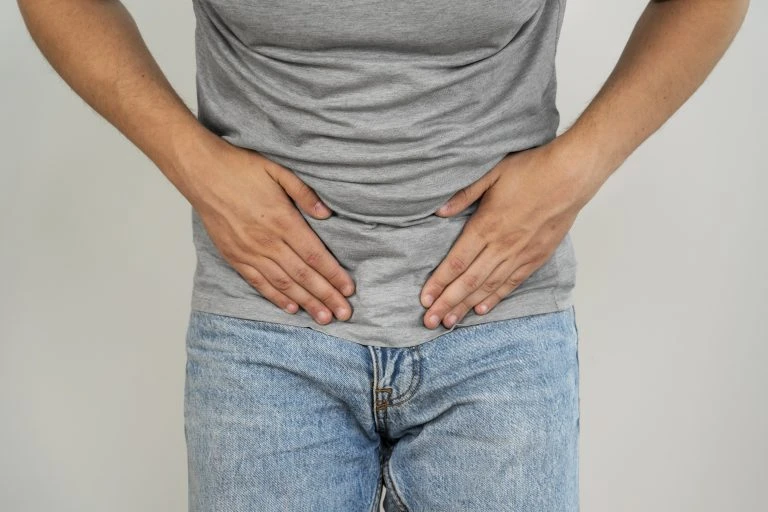
 Anal fissures can be incredibly uncomfortable and disruptive to daily life. While conservative treatments like dietary changes, topical medications, and sitz baths can provide relief for some individuals, others may require surgical intervention for long-term management.
Understanding Anal Fissures
Anal fissures are small tears or cracks in the lining of the anus, often caused by passing hard or large stools. They can lead to symptoms such as pain, bleeding, itching, and discomfort during bowel movements. Despite efforts to manage symptoms with conservative measures, some fissures may persist or recur, requiring more aggressive treatment.
When Surgery is Considered
If conservative treatments fail to provide adequate relief or if the fissure becomes chronic, surgery may be recommended. anal fissure surgery aims to repair the tear and promote healing while also addressing underlying factors contributing to the fissure\'s development.
Benefits of Anal Fissure Surgery
1. Enhanced Healing:
Surgical techniques like lateral internal sphincterotomy involve cutting a small portion of the internal anal sphincter muscle. This reduces pressure on the fissure, allowing it to heal more effectively.
2. Reduced Pain:
By relieving pressure on the fissure and promoting healing, surgery can significantly reduce pain and discomfort associated with anal fissures.
3. Lower Risk of Recurrence:
Anal fissure surgery aims to address the underlying cause of the fissure, reducing the likelihood of recurrence compared to conservative treatments alone.
4. Improved Quality of Life:
With long-term relief from symptoms, individuals who undergo anal fissure surgery often experience a significant improvement in their quality of life. They can resume normal activities without the constant discomfort and disruption caused by the fissure.
Types of Anal Fissure Surgery
1. Lateral Internal Sphincterotomy:
This procedure involves making a small incision in the internal anal sphincter muscle to reduce pressure on the fissure and promote healing.
2. Anal Fissurectomy:
In this surgery, the fissure itself is removed along with any scar tissue, allowing healthy tissue to grow in its place.
3. Advancement Flap Repair:
This technique involves creating a flap of tissue from the rectal lining and using it to cover the fissure, promoting healing and reducing the risk of recurrence.
Conclusion
For individuals struggling with chronic or recurrent anal fissures, surgery can offer long-term relief and improved quality of life. By addressing the underlying issues contributing to the fissure\'s development, surgical intervention can promote healing and reduce the risk of recurrence, allowing individuals to return to normal activities without the burden of constant discomfort and pain. If conservative treatments have failed to provide adequate relief, consulting with a best laparoscopic surgeon about surgical options may be the next step towards finding lasting relief from anal fissures.




























Sign in to leave a comment.