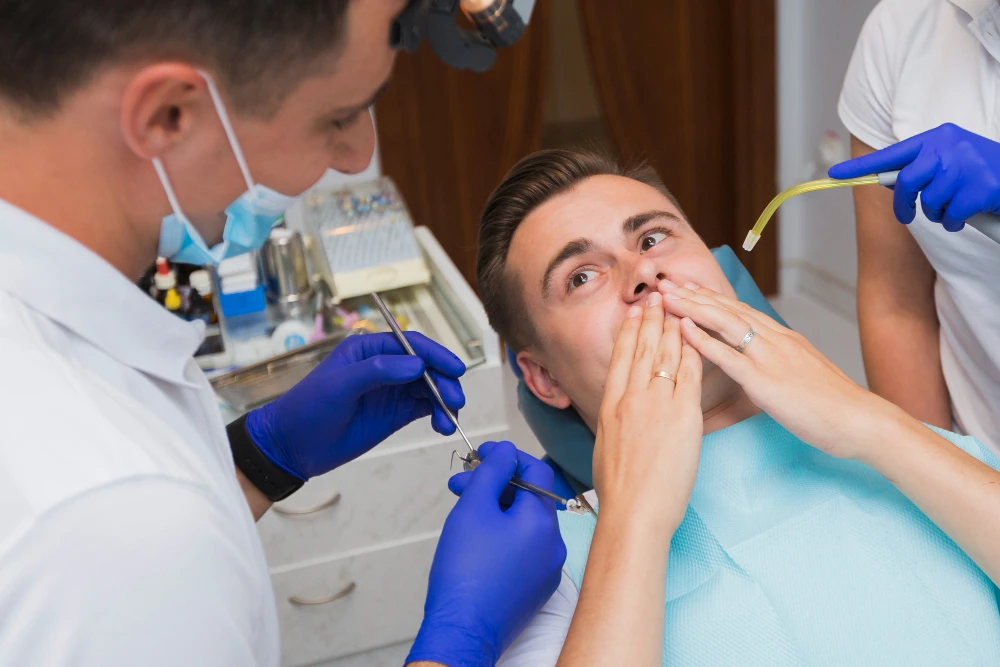

Wisdom teeth, also known as third molars, are the last teeth to emerge in the human mouth. These teeth typically appear between the ages of 17 and 25, a time when a person is considered to have gained wisdom, hence the name. While some individuals may not experience any issues with their wisdom teeth, many find that they can cause a variety of problems.
As a result, the removal of wisdom teeth has become a common dental procedure. In this article, we will explore the benefits of wisdom teeth removal and shed light on why dental professionals often recommend it.
Preventing Impacted Teeth:One of the primary reasons for wisdom teeth removal is the prevention of impacted teeth. Impaction occurs when there is not enough space in the mouth for the wisdom teeth to emerge or develop properly and fully. As a result, these teeth may become trapped in the jawbone or gums, causing pain, swelling, and discomfort. Impacted wisdom teeth can also lead to various dental issues, including infection, gum disease, and damage to neighboring teeth. Individuals can avoid these potential complications by removing the wisdom teeth before they become impacted.
Alleviating Pain and Discomfort:Wisdom teeth can cause significant pain and discomfort, especially when they start to erupt. The emergence process can result in soreness, swelling, and pressure in the back of the mouth. This discomfort can make eating, speaking, and even opening the mouth properly challenging. By removing wisdom teeth, individuals can relieve these symptoms and improve their oral health and quality of life.
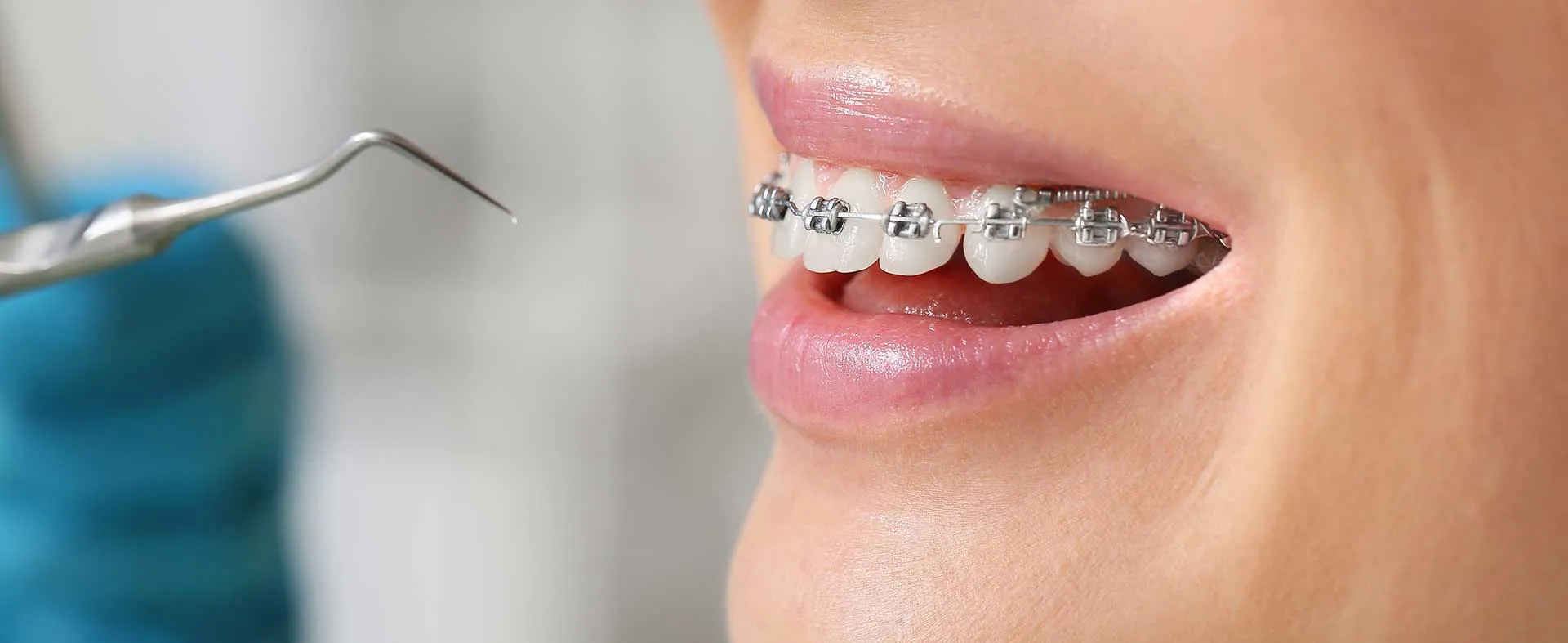
Preventing Dental Crowding:Another benefit of wisdom teeth removal is the prevention of dental crowding. Many people have mouths too small to accommodate the extra set of molars. As the wisdom teeth attempt to emerge, they may push and crowd the surrounding teeth, causing misalignment and shifting. This can lead to orthodontic issues and the need for braces or other corrective measures. By removing the wisdom teeth, dental crowding can be avoided, preserving the alignment and spacing of the existing teeth.
Reducing the Risk of Infections and Cysts:When wisdom teeth partially emerge, they create an opening in the gums that can serve as a breeding ground for bacteria. This can lead to pericoronitis, characterized by inflammation and infection of the wisdom tooth's gum tissue. In addition, cysts can develop around impacted wisdom teeth. These cysts can damage the jawbone, adjacent teeth, and nerves. The risk of infections, cysts, and related complications is significantly reduced by removing the wisdom teeth.
Simplifying Oral Hygiene:Cleaning and maintaining proper oral hygiene around wisdom teeth can be challenging due to their location at the back of the mouth. Their position makes it difficult to brush and floss effectively, increasing the likelihood of plaque buildup, decay, and gum disease. By removing wisdom teeth, individuals can simplify their oral hygiene routine, making it easier to thoroughly clean all areas of the mouth. This can contribute to better overall oral health and a reduced risk of dental problems in the future.
Preventing Future Dental Procedures:By proactively removing wisdom teeth, individuals can often avoid more complex and costly dental procedures in the future. The potential complications associated with impacted wisdom teeth can require treatments such as root canals, tooth extraction, and orthodontic interventions. By opting for wisdom teeth removal early on, individuals can prevent these issues from arising, saving themselves from potential pain, discomfort, and financial burden in the long run.
Conclusion:
While not everyone will experience problems with their wisdom teeth, dental professionals often recommend their removal to prevent potential complications and maintain optimal oral health. The benefits of wisdom teeth removal are numerous, from preventing impaction and dental crowding to reducing pain, infections, and future dental procedures.
If you need clarification on the status of your wisdom teeth, consult with your Emergency dentist, who can evaluate your specific case and provide guidance on whether removal is necessary. Remember, taking proactive steps today can lead to a healthier smile and a more comfortable future.


























Sign in to leave a comment.