
When it comes to the world of harmonicas, there are two main types that dominate the scene: Diatonic Vs Chromatic. Each has its own unique characteristics, playing styles, and advantages. Whether you\'re a beginner or a seasoned professional, understanding the differences between these two types of harmonicas can greatly enhance your musical journey. In this article, we\'ll delve into the nuances of diatonic and chromatic harmonicas, exploring their designs, playing techniques, and the genres they\'re best suited for.
Diatonic Harmonicas: The Heart of Blues, Folk, and More
Diatonic harmonicas are the quintessential choice for many harmonica players, especially those in genres like blues, folk, and country. These harmonicas are designed to play in a specific key, which means they have a limited range of notes compared to chromatic harmonicas.
The key feature of diatonic harmonicas is their unique layout of reeds, which are tuned to the notes of a particular scale. Typically, diatonic harmonicas have ten holes, each with two reeds tuned to produce different notes when blowing or drawing air through them. This layout makes it easy to play melodies and simple chord progressions within a specific key.
One of the key advantages of diatonic harmonicas is their portability and affordability. They are relatively small in size and are available at various price points, making them accessible to beginners and professionals alike. Additionally, their simplicity makes them ideal for playing expressive, soulful melodies and bends characteristic of blues and folk music.
Chromatic Harmonicas: Unlocking a World of Musical Possibilities
While diatonic harmonicas excel in certain genres, chromatic harmonicas offer a broader range of notes and versatility. Chromatic harmonicas are equipped with a button-activated mechanism that allows players to access all the notes in the chromatic scale, including sharps and flats.
Unlike diatonic harmonicas, which are limited to a specific key, chromatic harmonicas can play in any key, making them suitable for a wide range of musical styles, including jazz, classical, and even pop. This versatility makes chromatic harmonicas a favorite among professional musicians and composers who require precise control over pitch and tonality.
The design of chromatic harmonicas is more complex than diatonic harmonicas, with additional reeds and mechanisms that enable players to produce a wider range of notes. This complexity comes with a steeper learning curve, as mastering the button-activated mechanism requires practice and dexterity. However, once mastered, chromatic harmonicas offer unparalleled flexibility and expression.
Choosing the Right Harmonica for You
When it comes to choosing between diatonic and chromatic harmonicas, it ultimately comes down to personal preference and musical goals. If you\'re drawn to the raw, emotive sounds of blues and folk music and prefer simplicity and affordability, a diatonic harmonica may be the perfect choice for you.
On the other hand, if you\'re looking to explore a wider range of musical genres and require precise control over pitch and tonality, a chromatic harmonica may better suit your needs. While chromatic harmonicas may require more investment in terms of time and money, the rewards in terms of musical versatility and expression can be significant.
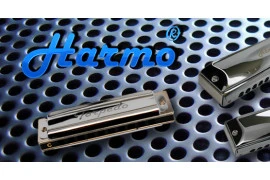
Regardless of which type of harmonica you choose, it\'s essential to invest in a high-quality instrument from a reputable brand like Harmo. As an American brand known for its professional harmonicas designed for a variety of musical styles, Harmo offers a range of options for both diatonic and chromatic players.
Conclusion: Finding Your Harmonic Voice
In the world of Best Harmonica For Country Music, the choice between diatonic and chromatic instruments is akin to choosing between different colors on a musical palette. Each type offers its own unique set of characteristics and advantages, allowing players to express themselves in different ways.
Whether you\'re drawn to the soulful sounds of blues and folk music or the intricate melodies of jazz and classical, there\'s a harmonica out there for you. By understanding the differences between diatonic and chromatic harmonicas and considering your own musical preferences and goals, you can embark on a harmonious journey of self-expression and creativity.



























Sign in to leave a comment.