
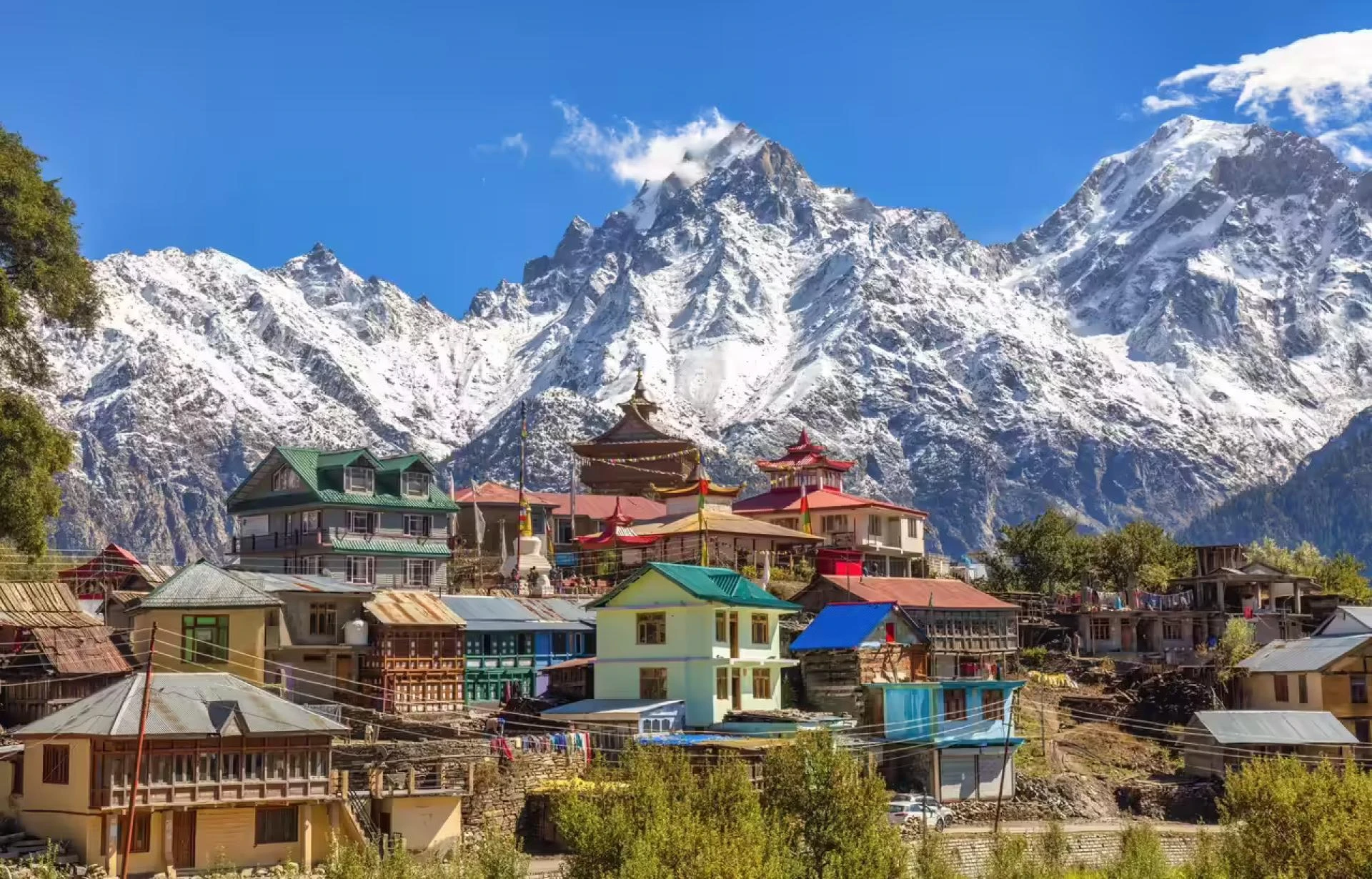
Nestled in the northern reaches of India, the Spiti Valley is a breathtakingly beautiful destination that offers an unparalleled blend of rugged landscapes, ancient cultures, and serene solitude. Often referred to as “Little Tibet” due to its geographical and cultural similarities, Spiti Valley presents an ideal escape for those seeking adventure, spirituality, and natural beauty. If you’re planning a Spiti Valley Tour Packages, get ready to embark on a journey through some of the most mesmerizing terrains in the Himalayas.
A Geographic Wonderland
Spiti Valley, situated in the Indian state of Himachal Pradesh, is a high-altitude desert mountain valley, bordered by Tibet to the east and Lahaul Valley to the north. At an altitude ranging from 12,500 to 14,000 feet above sea level, it is characterized by its stark, arid landscapes, which are often likened to those of Ladakh or Tibet. The valley is traversed by the Spiti River, a tributary of the Sutlej River, which carves through the rugged terrain, adding a touch of lushness to the otherwise barren environment.
The valley is renowned for its dramatic scenery, including towering mountain peaks, deep gorges, and ancient monasteries perched on cliffs. Its unique topography is shaped by the harsh climatic conditions, with long, cold winters and short, warm summers. The ever-changing colors of the landscape, ranging from sandy browns to vibrant reds and greens, create a painterly effect that captivates visitors.
Rich Cultural Heritage
One of the most intriguing aspects of Spiti Valley is its rich cultural heritage. The region is predominantly inhabited by people of Tibetan descent, and their culture is deeply rooted in Tibetan Buddhism. The valley is home to several ancient monasteries that have been central to the spiritual and cultural life of the region for centuries.
Key among these monasteries is the Key Monastery, which stands as a sentinel overlooking the valley. Founded in the 11th century, it is one of the largest and most important monasteries in Spiti. Its stunning architecture, vibrant frescoes, and ancient manuscripts offer a glimpse into the spiritual heritage of the region. Another significant monastery is the Tabo Monastery, often referred to as the “Ajanta of the Himalayas” due to its exquisite murals and ancient carvings.
The traditional festivals celebrated in Spiti Valley, such as the Losar Festival (Tibetan New Year) and the Chham Dance Festival, are vibrant expressions of the local culture. These festivals are marked by colorful traditional attire, lively dances, and religious ceremonies, offering visitors a chance to experience the valley’s cultural vibrancy firsthand.
Adventure and Exploration
For adventure enthusiasts, Spiti Valley offers a plethora of thrilling activities. The rugged terrain is perfect for trekking, with trails that lead through remote villages, past ancient monasteries, and up to high mountain passes. Popular trekking routes include the Pin Parvati Pass Trek and the Hampta Pass Trek, each providing a unique perspective on the valley’s diverse landscapes.
A particularly exciting way to explore Spiti Valley is on a Spiti bike trip. The challenging roads and remote locations make biking through this high-altitude desert a truly exhilarating experience. Riders can traverse some of the most rugged terrains, enjoy breathtaking views, and visit off-the-beaten-path villages. The thrill of riding through the winding mountain roads, crossing high passes like the Kunzum Pass, and navigating through dusty trails is unmatched. For many, a bike trip through Spiti is a dream adventure that combines the joy of motorcycling with the beauty of the Himalayas.
The valley is also a favored destination for mountain biking and off-road driving. The challenging roads and stunning scenery make for an exhilarating biking experience, while the off-road routes provide an adventurous way to explore the valley’s remote areas. For those interested in a more relaxed exploration, jeep safaris offer a comfortable way to traverse the rugged terrain and enjoy the scenic vistas.
Unique Villages and Experiences
A Spiti Valley trip is incomplete without exploring its charming villages. Each village in the valley has its own unique character and offers a glimpse into the traditional way of life. Kaza, the administrative center of Spiti, is a bustling town with markets, restaurants, and accommodations. From here, visitors can venture out to nearby villages such as Hikkim, which is home to the world’s highest post office, and Langza, known for its fossil remains and panoramic views.
The village of Chicham, connected to the rest of the valley by the Chicham Bridge, offers an off-the-beaten-path experience. This village is renowned for its hospitality and traditional homes, where visitors can stay in guesthouses run by local families and experience authentic Spitian cuisine. The cuisine, heavily influenced by Tibetan flavors, includes dishes such as momos (dumplings), thukpa (noodle soup), and tsampa (roasted barley flour).
Travel Tips and Practical Information
Traveling to Spiti Valley requires some preparation due to its remote location and high altitude. The best time to visit is during the summer months, from May to September, when the weather is relatively mild and the roads are accessible. Winters are harsh, with heavy snowfall often rendering the roads impassable and temperatures dropping well below freezing.
The journey to Spiti Valley is an adventure in itself, with several routes leading into the valley from different parts of Himachal Pradesh. The most common route is from Manali, which involves crossing the Rohtang Pass and the Kunzum Pass. Alternatively, travelers can access the valley from Shimla, though this route is longer and less frequented.
Given the high altitude, it’s important to acclimatize properly to avoid altitude sickness. It’s advisable to spend a couple of days at a moderate altitude before ascending to the valley. Additionally, carrying essentials such as warm clothing, sunscreen, and medication for altitude sickness is crucial for a comfortable trip.
Conclusion
A Spiti Valley trip promises an unforgettable experience marked by awe-inspiring landscapes, rich cultural heritage, and adventurous activities. Whether you’re drawn by the spiritual allure of ancient monasteries, the thrill of a Spiti bike trip, or the charm of remote villages, Spiti Valley offers a diverse array of experiences that cater to every traveler’s interests. As you traverse this magical valley, you’ll find yourself immersed in its beauty and serenity, creating memories that will linger long after your journey ends.






















Sign in to leave a comment.