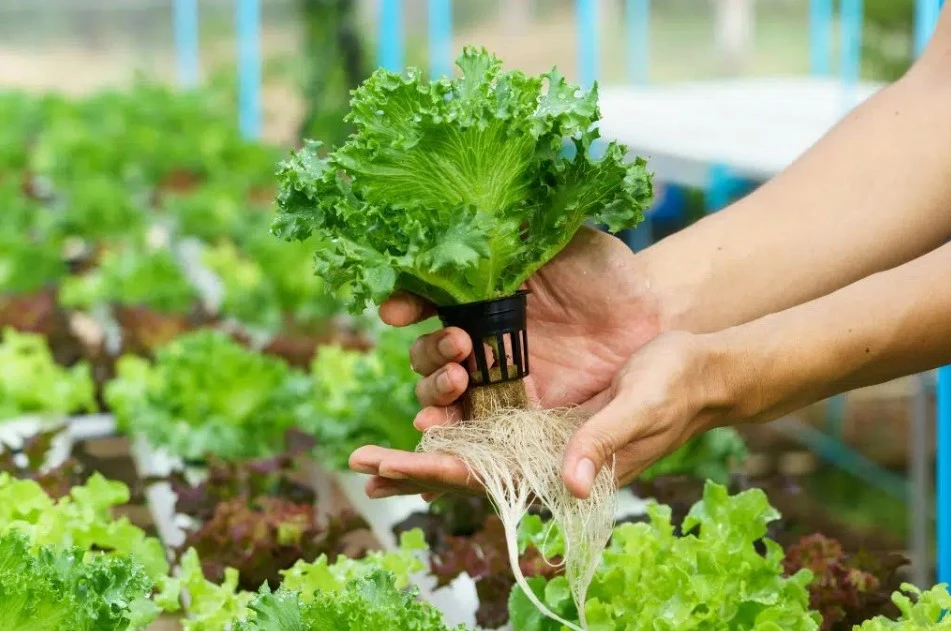

In recent years, the hydroponics market has experienced remarkable growth and transformation, redefining the way we cultivate crops and vegetables. Hydroponics, a soilless farming method that relies on nutrient-rich water solutions, is gaining traction as a sustainable and efficient alternative to traditional soil-based agriculture. This blog post delves into the exciting world of hydroponics, discussing its growth trends, key drivers, and the promising opportunities it offers.
The Evolution of Hydroponics
Hydroponics, derived from the Greek words "hydro" (water) and "ponos" (labor), has evolved significantly since its inception. It originated as a concept in the Hanging Gardens of Babylon and Aztec floating gardens but has now evolved into a sophisticated agricultural system with a wide range of applications. Today, hydroponics systems come in various forms, including nutrient film technique (NFT), deep water culture (DWC), aeroponics, and more, each tailored to specific crops and environments.
Key Growth Trends
Rising Urbanization: As the global population continues to urbanize, urban farming has gained prominence. Hydroponics offers a solution to space constraints in cities, enabling vertical and rooftop farming, reducing transportation costs, and providing fresh produce to urban dwellers.
Sustainability and Resource Efficiency: Hydroponic systems use significantly less water than traditional soil-based farming. They also reduce the need for pesticides and fertilizers, making it an environmentally friendly option. With water scarcity becoming a pressing issue, hydroponics' resource efficiency is a driving factor.
Technological Advancements: Advances in automation, sensor technology, and data analytics have made hydroponic farming more precise and efficient. These technologies allow farmers to monitor and control environmental factors such as temperature, humidity, and nutrient levels, optimizing crop yields.
Consumer Demand for Fresh Produce: Consumers are increasingly seeking locally grown, pesticide-free, and organic produce. Hydroponics fulfills this demand by allowing growers to provide high-quality, year-round crops with minimal chemical use.
Commercial Applications: Hydroponics has expanded its footprint beyond home gardeners. Commercial greenhouse operations and vertical farms are adopting hydroponics on a larger scale to supply supermarkets and restaurants with fresh, local produce.
Opportunities in the Hydroponics Market
Investment Opportunities: The growth of the hydroponics market has attracted significant investment. Entrepreneurs and investors are exploring opportunities in the development of new technologies, equipment, and infrastructure to support hydroponic farming.
Educational and Training Programs: With the increasing adoption of hydroponics, there is a growing demand for skilled professionals in this field. Educational institutions and training programs are offering courses and certifications to equip individuals with the necessary knowledge and skills.
Vertical Farming Ventures: Vertical farming, a subset of hydroponics, is gaining momentum. Entrepreneurs can explore opportunities in setting up vertical farms in urban areas, catering to the demand for fresh produce.
Hydroponic Equipment and Supplies: The demand for hydroponic equipment and supplies, such as growing systems, LED lights, and nutrient solutions, is on the rise. Establishing a business in this niche can be a lucrative venture.
Research and Development: The hydroponics market is still evolving, leaving ample room for research and development. Innovations in crop varieties, nutrient solutions, and system designs can open up new opportunities for businesses and researchers alike.
In conclusion, the hydroponics market is flourishing, driven by factors such as urbanization, sustainability, and technological advancements. Entrepreneurs, investors, and individuals passionate about sustainable agriculture have numerous opportunities to explore in this dynamic industry. As hydroponics continues to redefine modern farming, it offers a promising path toward a more sustainable and efficient future for agriculture.



























Sign in to leave a comment.