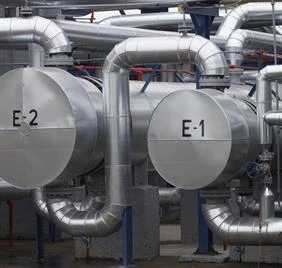

Plate heat exchangers are innovative devices designed to efficiently transfer heat between two fluid streams. They find extensive applications in various industries, including HVAC, power generation, chemical processing, and refrigeration. In this blog post, we will delve into the functionality of plate heat exchanger, understanding how they work, their unique design features, and the advantages they offer over traditional heat exchange systems. By exploring the inner workings of plate heat exchangers, we can appreciate their effectiveness, energy efficiency, and versatility in meeting the heat transfer needs of diverse industrial processes.
The Basics of Plate Heat Exchangers
Plate heat exchangers consist of a series of corrugated metal plates arranged in parallel. These plates create alternating channels for the hot and cold fluids to flow through. The fluid streams pass on opposite sides of the plates, allowing for efficient heat transfer due to the large surface area. The plates' corrugated design enhances turbulence, further improving heat transfer efficiency.
Counterflow and Parallel Flow Configurations
Plate heat exchangers can be configured in either counterflow or parallel flow arrangements. In counterflow, the hot and cold fluids flow in opposite directions, maximizing heat transfer efficiency. In parallel flow, both fluids move in the same direction, which allows for a more compact design but with lower heat transfer effectiveness.
Plate Design and Materials
The design of the plates in heat exchangers plays a crucial role in achieving optimal heat transfer efficiency. The plates are typically made of materials with high thermal conductivity, such as stainless steel or titanium. The corrugated pattern enhances turbulence, promoting efficient heat transfer. Additionally, gasket materials provide a seal between the plates, preventing fluid cross-contamination.
Heat Transfer Mechanisms in Plate Heat Exchangers
Plate heat exchangers utilize three primary heat transfer mechanisms: conduction, convection, and turbulence. Conduction occurs as heat transfers through the metal plates. Convection involves the movement of fluids and the transfer of heat between the fluid and the plate surfaces. Turbulence, induced by the plate's corrugated design, enhances heat transfer by disrupting boundary layers and increasing fluid mixing.
Advantages of Plate Heat Exchangers
Plate heat exchangers offer several advantages over traditional heat exchange systems. They provide higher heat transfer coefficients, leading to improved efficiency. Plate heat exchangers are also compact and lightweight, requiring less space compared to other heat exchanger designs. Additionally, their modular design allows for easy scalability and maintenance. The ability to handle a wide range of temperatures and pressures makes plate heat exchangers versatile for various applications.
Energy Efficiency and Environmental Benefits
Plate heat exchangers contribute to energy efficiency and environmental sustainability. Their compact design reduces energy consumption, as they require less pumping power compared to larger heat exchangers. The efficient heat transfer achieved by plate heat exchangers reduces energy waste and lowers greenhouse gas emissions. They also enable heat recovery, allowing the utilization of waste heat for other processes, further enhancing energy efficiency.
Applications in Various Industries
Plate heat exchangers find applications in numerous industries. They are commonly used in HVAC systems for heating, ventilation, and air conditioning. Plate heat exchangers are also utilized in power plants, where they facilitate heat exchange in steam condensers and cooling systems. Additionally, they play a crucial role in food and beverage processing, chemical production, refrigeration, and renewable energy systems.
Maintenance and Cleaning Considerations
Regular maintenance and cleaning are essential for the efficient operation of plate heat exchangers. Fouling, scaling, and corrosion can affect heat transfer efficiency. Proper cleaning procedures, such as mechanical cleaning or chemical treatment, should be implemented to remove deposits and maintain optimal performance. Regular inspection of gaskets and seals is necessary to ensure the integrity of the system.
Conclusion
Plate heat exchanger offer an efficient, compact, and versatile solution for heat transfer in various industrial processes. Understanding their functionality, design features, and advantages allows us to appreciate their role in improving energy efficiency, reducing environmental impact, and optimizing heat transfer operations. By harnessing the power of plate heat exchangers, industries can enhance their thermal management systems, achieve cost savings, and contribute to sustainable practices.
























Sign in to leave a comment.