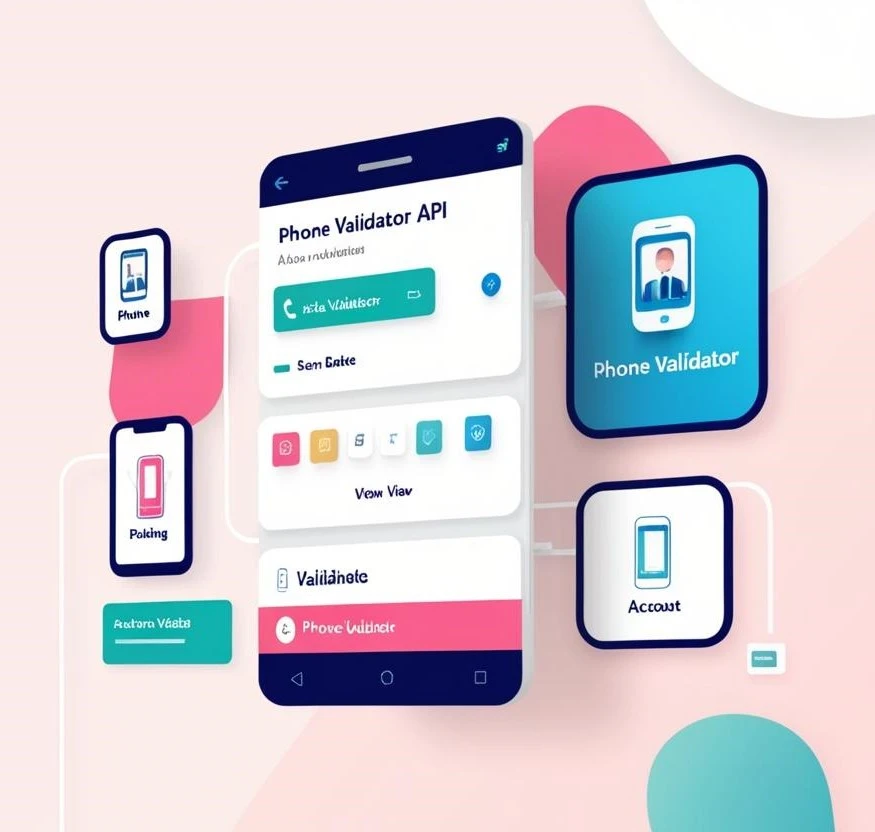

Communication has always been at the heart of human interaction, and with the rapid advancements in technology, the way we connect and engage with others has significantly evolved. One of the most powerful tools revolutionizing communication in the digital age is the Reverse Phone Lookup API. This tool offers an innovative way to access detailed information about phone numbers, enabling businesses, developers, and individuals to make more informed decisions when interacting with phone numbers. In this blog, we will explore the role of the Reverse Phone Lookup API in modern applications, its use cases, and how it’s shaping the future of communication.
What is a Reverse Phone Lookup API?
A Reverse Phone Lookup API is a powerful tool that allows users to retrieve detailed information about a phone number, including the name, location, carrier, and other relevant data associated with the number. By using this API, businesses and individuals can quickly verify, trace, or gather information about phone numbers, improving communication processes and reducing fraud or unwanted interactions. This API has gained traction in several industries, including finance, security, and customer service, due to its ability to provide valuable data for a wide range of applications.
How the Reverse Phone Lookup API Works
The working principle behind a Reverse Phone Lookup API is based on querying large databases that store phone number-related information. These databases aggregate data from public records, telecommunication providers, and other sources to create comprehensive profiles for each phone number. When a phone number is inputted into the system, the API returns relevant information such as:
- Carrier Information: Information about the phone carrier, such as whether it is a mobile or landline number.
- Location Data: The geographic location of the phone number, typically at the area code or region level.
- Name and Identity: The name associated with the phone number, which can help businesses identify callers.
- Spam or Fraud Risk: An indication of whether the phone number is linked to potential fraudulent activities or unwanted calls.
By tapping into these resources, the Reverse Phone Lookup API helps enhance communication strategies, improve customer service, and increase overall operational efficiency.
Enhancing Customer Experience with Reverse Phone Lookup API
One of the key benefits of using a Reverse Phone Lookup API is its ability to improve customer experience. In customer service scenarios, for instance, businesses can use the API to quickly identify who is calling, whether the caller is legitimate, or if the number has been flagged for spam. This is particularly useful for call centers, where representatives are constantly dealing with large volumes of incoming calls.
By providing detailed insights into the caller's identity and location, customer service representatives can better tailor their responses, provide more personalized service, and address the caller’s concerns more efficiently. This creates a more positive interaction and helps build trust between businesses and their customers.
Preventing Fraud and Enhancing Security
Another crucial role of the Reverse Phone Lookup API is in fraud prevention. In the digital age, where phone scams and fraudulent activities are on the rise, businesses need reliable tools to verify phone numbers and ensure they are interacting with legitimate customers.
For example, when a business receives an order or transaction, the Reverse Phone Lookup API can be used to verify the phone number associated with the account. If the number is flagged as fraudulent or associated with a known scam, the business can take immediate action to prevent any potential damage, such as blocking the transaction or alerting the customer to a potential issue.
Additionally, in the case of financial institutions or insurance companies, the Reverse Phone Lookup API can be used to confirm the identity of a customer during account verification or claims processing. This adds an extra layer of security, ensuring that only legitimate individuals have access to sensitive services.
Streamlining Lead Generation and Marketing Campaigns
In marketing and lead generation, the Reverse Phone Lookup API can significantly enhance the targeting and segmentation of campaigns. By verifying phone numbers and gaining insights into the caller’s location or other details, marketers can create more tailored and relevant campaigns, ensuring that the right message reaches the right audience.
For example, when a business collects phone numbers through online forms or during promotional events, they can use the Reverse Phone Lookup API to validate the phone numbers and gather more information. This enables businesses to create a more focused marketing strategy by segmenting leads based on geographic location, demographic data, and other relevant factors.
Moreover, marketers can use the data provided by the API to avoid wasting resources on low-quality leads, reducing the chances of engaging with invalid or irrelevant contacts. This not only increases efficiency but also improves the overall return on investment for marketing efforts.
Compliance with Data Protection Regulations
With the growing importance of data privacy and protection, companies must ensure they are using customer data responsibly. The Reverse Phone Lookup API is designed with strict compliance to privacy regulations, such as GDPR and CCPA, to ensure that businesses and organizations handle sensitive customer data securely and legally.
By using an API for reverse phone lookup, businesses can gather data about phone numbers without violating privacy rules, as the information provided is often publicly available or aggregated from authorized sources. This helps businesses ensure compliance while still benefiting from the insights the API provides.
Use Cases for Reverse Phone Lookup API in Modern Applications
- Telecommunications: Telecom companies can use the Reverse Phone Lookup API to verify and identify phone numbers when providing services to customers. This ensures that phone numbers are accurate and helps avoid miscommunications or issues related to incorrect data.
- E-commerce and Retail: E-commerce platforms can use the API to authenticate customer information during transactions and prevent fraudulent activities. Additionally, they can use the data to offer region-specific deals or services, improving customer experience.
- Healthcare: Healthcare providers can utilize the API to verify the contact information of patients before appointments or medical procedures. This ensures that reminders or notifications are sent to the correct individuals, improving the efficiency of healthcare delivery.
- Travel and Hospitality: Travel agencies and hotels can use the Reverse Phone Lookup API to verify the phone numbers of customers, ensuring that bookings and reservations are made with accurate contact information. This helps avoid missed appointments or issues with check-in.
- Real Estate: Real estate agencies can use the API to gather information about potential clients or sellers, enabling more effective communication and personalized interactions when arranging property viewings or negotiations.
Future Trends: The Role of AI and Machine Learning in Phone Lookup APIs
As technology continues to evolve, the Reverse Phone Lookup API will likely incorporate more advanced technologies, such as Artificial Intelligence (AI) and Machine Learning (ML), to further improve accuracy and capabilities. These technologies can help refine the data provided by the API by identifying patterns and making more precise predictions based on historical data.
For example, AI-powered algorithms could improve the ability to identify fraudulent numbers, enhancing security measures. Additionally, ML models could predict trends in communication behavior, providing businesses with even deeper insights into their customer base.
The future of the Reverse Phone Lookup API lies in its integration with other emerging technologies, such as IoT (Internet of Things) and blockchain. With the rise of connected devices and the increasing demand for secure, transparent communication channels, phone lookup APIs will continue to play a vital role in ensuring the accuracy and authenticity of data.
Conclusion
The Reverse Phone Lookup API has become an essential tool for modern communication, offering businesses and individuals an efficient way to validate and access information about phone numbers. Its applications span various industries, including customer service, fraud prevention, marketing, and compliance, all of which benefit from the API’s ability to provide accurate, real-time data.
As technology continues to evolve, the role of the Reverse Phone Lookup API will only expand, integrating with advanced technologies like AI and ML to offer even more powerful insights. For businesses looking to stay ahead of the curve, implementing a Reverse Phone Lookup API is no longer just an option; it's a necessity. Additionally, as the demand for reliable and secure communication grows, adopting an API for phone number validation will become increasingly crucial for businesses aiming to maintain trust and improve customer interactions in a rapidly changing digital world.


























Sign in to leave a comment.