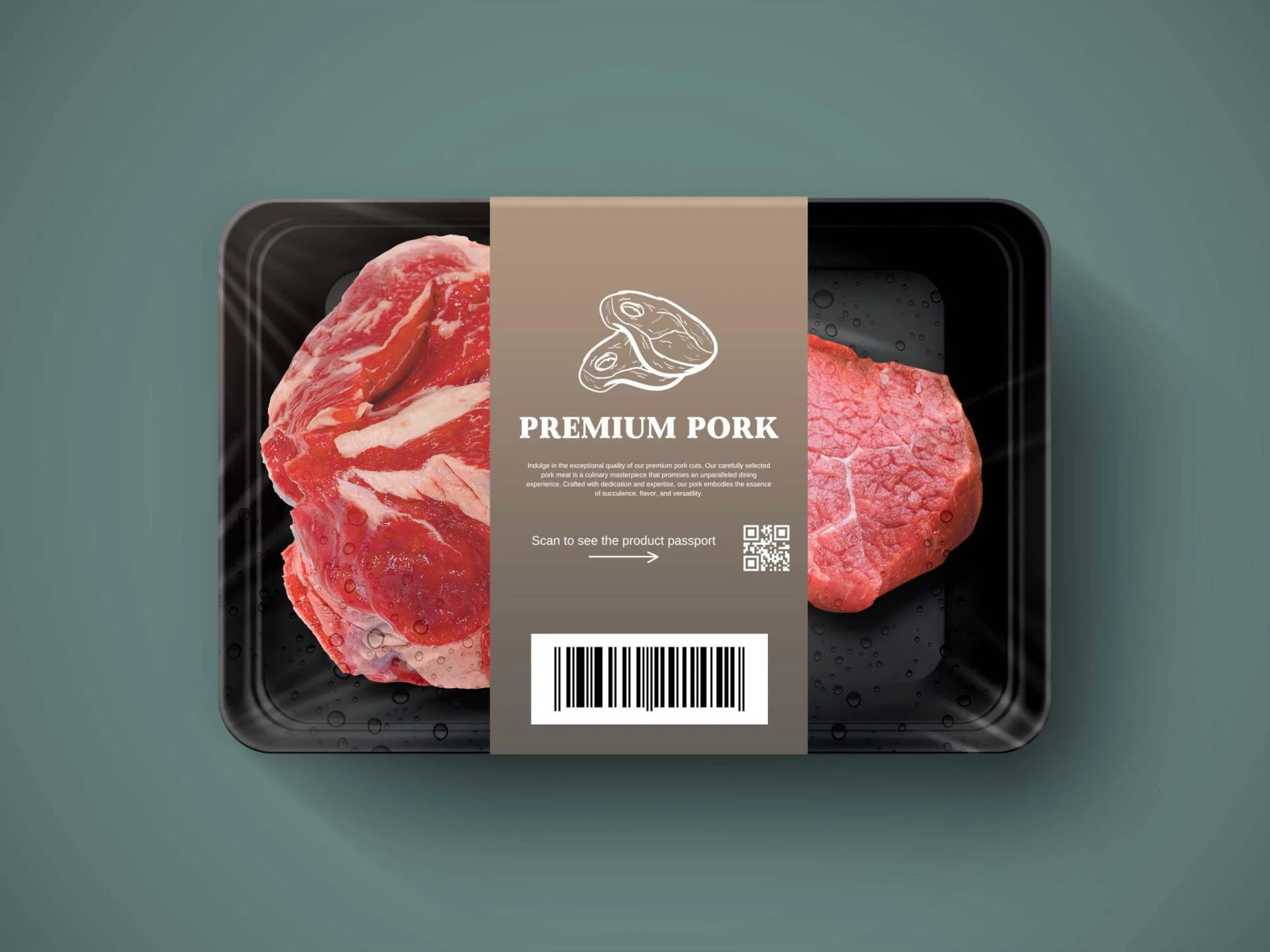

In today's rapidly advancing digital era, the dynamics of consumer-product interaction are undergoing a significant transformation, with the integration of QR codes and Digital Product Passports standing out as a groundbreaking development. This technology is reshaping the consumer experience, delivering comprehensive product information, ensuring transparency in the supply chain, and acting as a deterrent to counterfeiting.
Understanding Digital Product Passports
Digital Product Passports represent a modernized approach to product labeling and information sharing. They assign a digital identity to each product, granting consumers and businesses access to extensive details about a product's origin, composition, and usage.
The Role of QR Codes in Product Identification
QR codes, or Quick Response codes, are 2D barcodes containing substantial data. When incorporated into Digital Product Passports, QR codes function as unique identifiers easily scannable by smartphones or QR code readers, creating a seamless link between physical products and a wealth of digital information.
Benefits of Digital Product Passport QR Codes
Enriched Consumer Information: Consumers, increasingly discerning in their purchases, gain instant access to in-depth product details through Digital Product Passports' QR codes. This information spans the product's origin, manufacturing processes, environmental impact, and more, empowering consumers to make well-informed decisions.
Enhanced Supply Chain Transparency: Businesses benefit from heightened transparency facilitated by Digital Product Passports. QR codes enable efficient product tracking throughout the supply chain, minimizing fraud risks, optimizing logistics, and enhancing overall operational efficiency.
Counterfeit Prevention: The integration of QR codes with Digital Product Passports serves as a formidable tool against counterfeit products. By enabling consumers and authorities to verify product authenticity, these codes create a challenging environment for counterfeiters.
The Future of Product Labeling
Advancements in QR Code Technology: Anticipate future QR code enhancements, including more intricate encoding, bolstered security features, and potential integration with augmented reality.
Consumer Expectations and Sustainability: Meeting consumer expectations for sustainable and ethically produced goods is crucial. Digital Product Passports and QR codes play a pivotal role by offering transparency on a product's environmental impact and ethical practices.
Transparency as a Driving Force: Consumers demand comprehensive insights into a product's lifecycle, and Digital Product Passports, with QR codes, fulfill this need by providing a holistic view of a product's journey.
Environmental Impact Assessment: Consumers seek information on a product's ecological footprint, and Digital Product Passports can supply data on carbon footprint, water usage, and other environmental factors.
Ethical Production and Fair Trade: Information about production practices, fair trade certifications, and adherence to labor rights included in Digital Product Passports align with consumers' increasing concerns about ethical production.
Circular Economy: Digital Product Passports can guide consumers on proper recycling or upcycling methods, promoting a circular economy and sustainable product lifecycle.
Consumer Empowerment: QR codes empower consumers by providing detailed information on a product's environmental and ethical attributes, turning them into advocates for sustainable practices.
Legal and Certification Compliance: Digital Product Passports aid companies in adhering to environmental and ethical standards, ensuring compliance with increasing regulations.
How to Create Digital Product Passport QR Codes
Crafting QR codes for Digital Product Passports is a straightforward process. Follow these steps:
Sign up on Link-to-QR.com: Use the intuitive platform at www.link-to-qr.com for free QR code generation.Upload Product Information: Input relevant product details for encoding into the QR code.Generate the QR Code: Utilize the platform's generator, ensuring accurate and secure encoding of product information.Customize the QR Code (Optional): Modify the QR code's appearance without compromising scannability.Generate and Download the QR Code: Finalize the design and content, then download the QR code in a common image format.Test the QR Code: Verify functionality by scanning the code before deployment.Distribute or Share the QR Code: Add the QR code to product labels, packaging, or digital platforms for consumer access.Conclusion
In summary, the integration of QR codes into Digital Product Passports is poised to transform the consumer-product interaction. Acting as a bridge between the physical and digital realms, this technology brings numerous advantages for both consumers and businesses. With ongoing technological advancements, the future holds even more exciting possibilities for product labeling and information dissemination.



























Sign in to leave a comment.