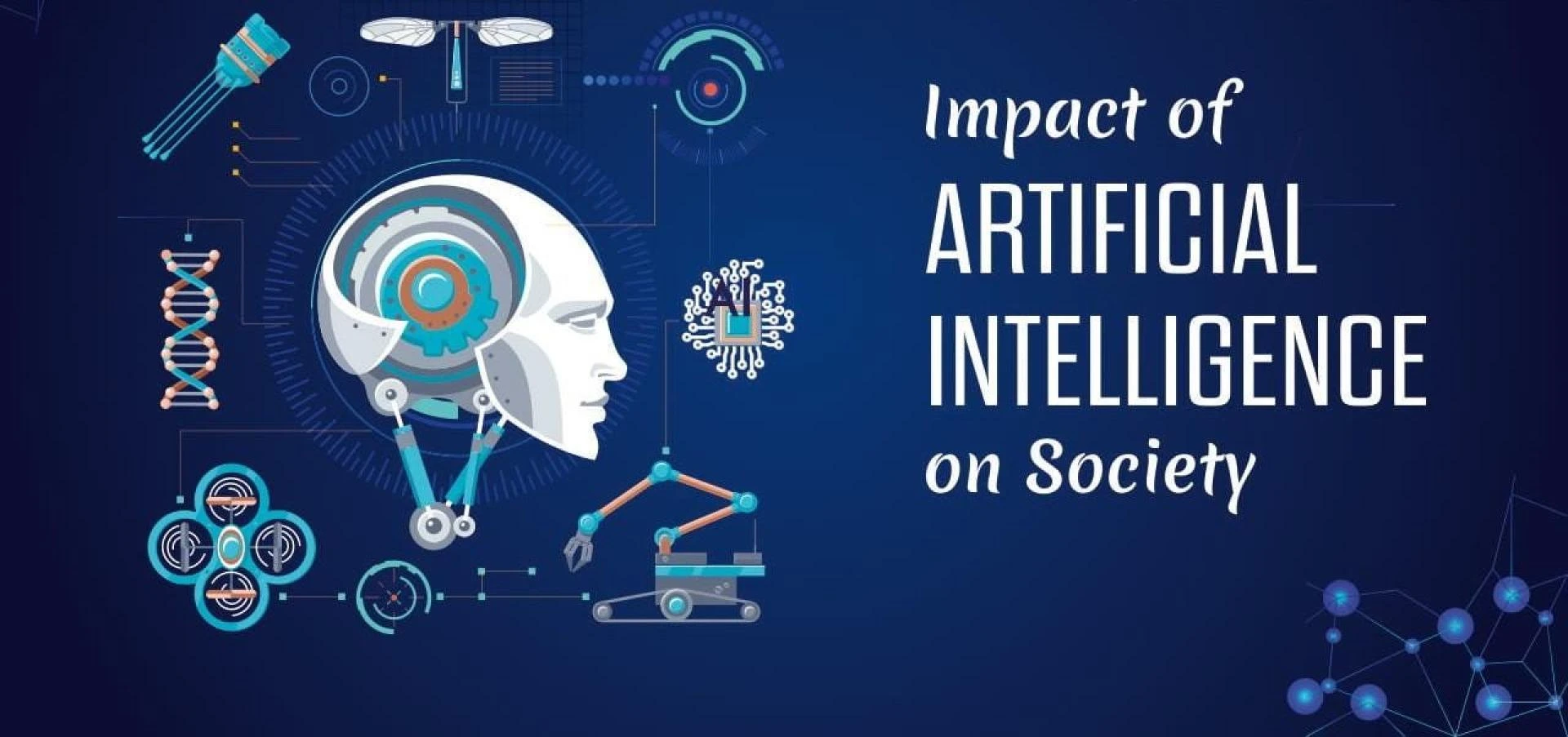

As we venture into 2024, the rapid advancement of artificial intelligence (AI) continues to reshape various aspects of our lives. This groundbreaking technology has transcended the realms of science fiction, becoming an integral part of our daily existence. From healthcare and education to transportation and finance, AI\'s influence is profoundly transforming industries and societies worldwide. In this comprehensive article, we delve into the far-reaching impact of Artificial Intelligence in 2024, highlighting its remarkable achievements and potential future implications.
Healthcare and Medical Advancements
The impact of AI on healthcare in 2024 has been nothing short of revolutionary. AI-powered diagnostic tools have become increasingly accurate in detecting and diagnosing various medical conditions. Moreover, these systems can analyze vast amounts of patient data, enabling personalized treatment plans tailored to individual needs. In addition, AI algorithms have proven instrumental in drug discovery and development processes, accelerating research and potentially saving countless lives.
Precision Medicine and Early Detection
One of the most significant contributions of AI in healthcare is precision medicine. By analyzing an individual\'s genetic makeup, lifestyle factors, and medical history, AI systems can predict potential health risks and recommend preventive measures. Furthermore, AI-based imaging technologies have enhanced early detection of diseases, improving treatment outcomes and survival rates. These advancements have empowered healthcare professionals to provide more proactive and personalized care.
Robotic Surgeries and Rehabilitation
The integration of AI and robotics has revolutionized surgical procedures in 2024. AI-assisted robotic surgeries have become increasingly precise, minimizing the risk of human error and improving patient outcomes. Additionally, AI-powered rehabilitation systems have emerged, aiding patients in their recovery process through personalized therapy plans and real-time monitoring. These innovations have not only enhanced the quality of care but also expanded access to advanced medical treatments globally.
Education and Personalized Learning
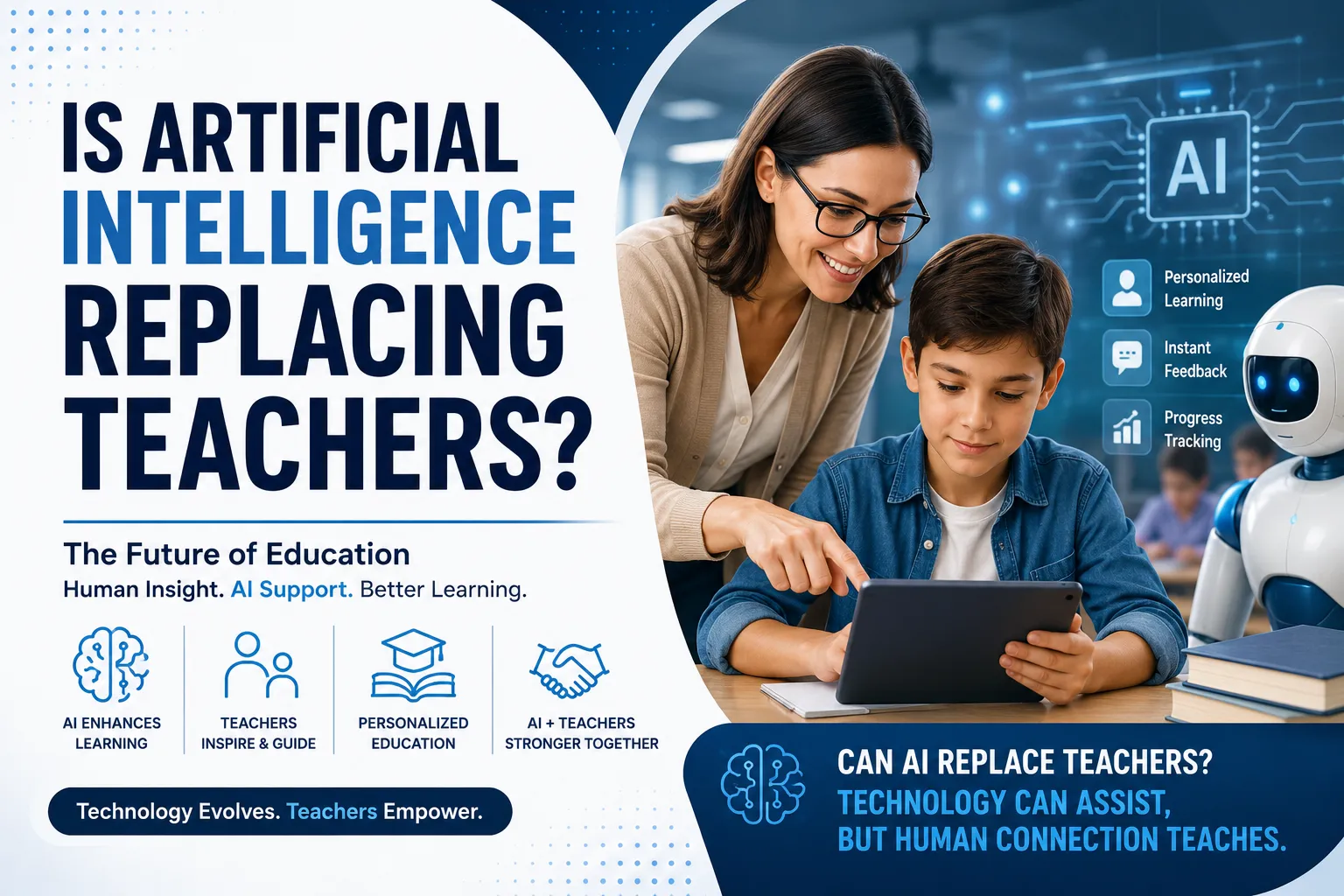
The impact of AI on education in 2024 has been transformative. AI-powered adaptive learning platforms have gained widespread adoption, tailoring educational content and teaching methods to individual learning styles and abilities. These platforms analyze student performance data and adjust the learning experience accordingly, fostering a more personalized and effective educational journey. Furthermore, AI-powered virtual tutors and teaching assistants have become valuable resources, providing students with on-demand support and guidance.
Accessible and Inclusive Education
AI has also played a crucial role in making education more accessible and inclusive. Intelligent language translation and speech recognition technologies have broken down language barriers, enabling students from diverse backgrounds to access educational resources. Furthermore, AI-powered assistive technologies have empowered students with special needs, providing them with customized tools and support to enhance their learning experience. These advancements have contributed to creating a more equitable and inclusive educational landscape.
Smart Transportation and Autonomous Vehicles
The transportation sector has witnessed significant disruption due to AI in 2024. Autonomous vehicles, once a futuristic concept, have become a reality on our roads. AI-powered self-driving cars, buses, and trucks have enhanced transportation safety, reduced traffic congestion, and improved fuel efficiency. Additionally, AI-powered traffic management systems have optimized traffic flow, minimizing delays and improving overall mobility in cities.
Intelligent Transportation Systems
AI has also revolutionized transportation logistics and supply chain management. Intelligent routing algorithms have optimized delivery routes, reducing costs and minimizing environmental impact. Furthermore, AI-powered predictive maintenance systems have enabled proactive repairs and maintenance, reducing downtime and ensuring smooth operations. These advancements have streamlined transportation processes, enhancing efficiency and productivity across various industries.
Sustainable and Connected Cities
The impact of AI in 2024 has extended to the development of sustainable and connected cities. AI-powered smart grid systems have optimized energy distribution and consumption, reducing waste and promoting the adoption of renewable energy sources. Intelligent building management systems have enhanced energy efficiency, minimizing carbon footprints and contributing to a more sustainable urban environment.
Moreover, AI-powered traffic management and public transportation systems have improved mobility within cities, reducing congestion and promoting eco-friendly transportation options. These advancements have paved the way for more livable, efficient, and environmentally conscious urban spaces.
Finance and Investment
The financial sector has experienced a profound transformation due to AI in 2024. AI-powered algorithmic trading and investment strategies have revolutionized the way financial markets operate, enabling faster and more informed decision-making. Additionally, AI-driven risk assessment and fraud detection systems have enhanced security and compliance, protecting both individuals and institutions from financial crimes.
Personalized Financial Services
AI has also enabled personalized financial services, tailoring products and recommendations to individual needs and preferences. Intelligent virtual assistants and chatbots have become valuable resources for customers, providing real-time support and guidance on financial matters.
Furthermore, AI-powered credit scoring models have expanded access to financial services, promoting financial inclusion and empowering underserved communities.
Cybersecurity and Data Protection
As AI continues to integrate into various sectors, cybersecurity and data protection have become paramount concerns. AI-powered threat detection and response systems have enhanced the ability to identify and mitigate cyber threats in real-time. These advanced systems can analyze vast amounts of data, detect anomalies, and respond swiftly to potential breaches, minimizing the impact of cyber attacks.
Furthermore, AI-driven data privacy and compliance tools have enabled organizations to maintain regulatory compliance and protect sensitive information effectively. These advancements have fortified digital defenses, fostering a more secure and trustworthy digital landscape.
Ethical Considerations and Governance
While the impact of AI in 2024 has been overwhelmingly positive, it has also raised ethical concerns and the need for robust governance frameworks. Issues such as algorithmic bias, privacy, and transparency have come to the forefront, prompting discussions on the responsible development and deployment of AI systems.
Governments, organizations, and industry leaders have recognized the importance of establishing ethical guidelines and regulatory frameworks to ensure AI is developed and utilized in a manner that respects human rights, promotes fairness, and mitigates potential risks.
Ensuring Trustworthy AI
To address these concerns, efforts have been made to develop trustworthy AI systems that are transparent, explainable, and accountable. AI developers and researchers have focused on techniques such as interpretable machine learning and ethical AI frameworks, ensuring that AI systems are aligned with human values and societal norms.
Furthermore, initiatives have been undertaken to promote diversity and inclusivity in the AI workforce, fostering a diverse range of perspectives and mitigating potential biases in AI development.

Collaboration and Multidisciplinary Approach
The impact of AI in 2024 has highlighted the importance of collaboration and a multidisciplinary approach. Experts from various fields, including computer science, ethics, law, and social sciences, have come together to tackle the complex challenges and implications of AI. This cross-disciplinary collaboration has fostered a deeper understanding of the societal, legal, and ethical dimensions of AI, enabling more informed decision-making and responsible innovation.
Conclusion
The impact of AI in 2024 has been profound and far-reaching, transforming industries, societies, and the way we live and work. From revolutionizing healthcare and education to optimizing transportation and enhancing cybersecurity, AI has proven its potential to drive progress and improve the quality of life for people around the world.
However, as we continue to embrace AI\'s advancements, it is crucial to address the ethical and governance challenges that arise. By fostering collaboration, developing trustworthy AI systems, and establishing robust regulatory frameworks, we can ensure that AI\'s impact remains positive and aligned with human values.
As we look ahead, the future holds even greater possibilities for AI to tackle global challenges, unlock new frontiers of knowledge, and enhance human capabilities. With responsible development and thoughtful implementation, AI\'s impact in the years to come will undoubtedly reshape our world in ways we can scarcely imagine today.































Sign in to leave a comment.