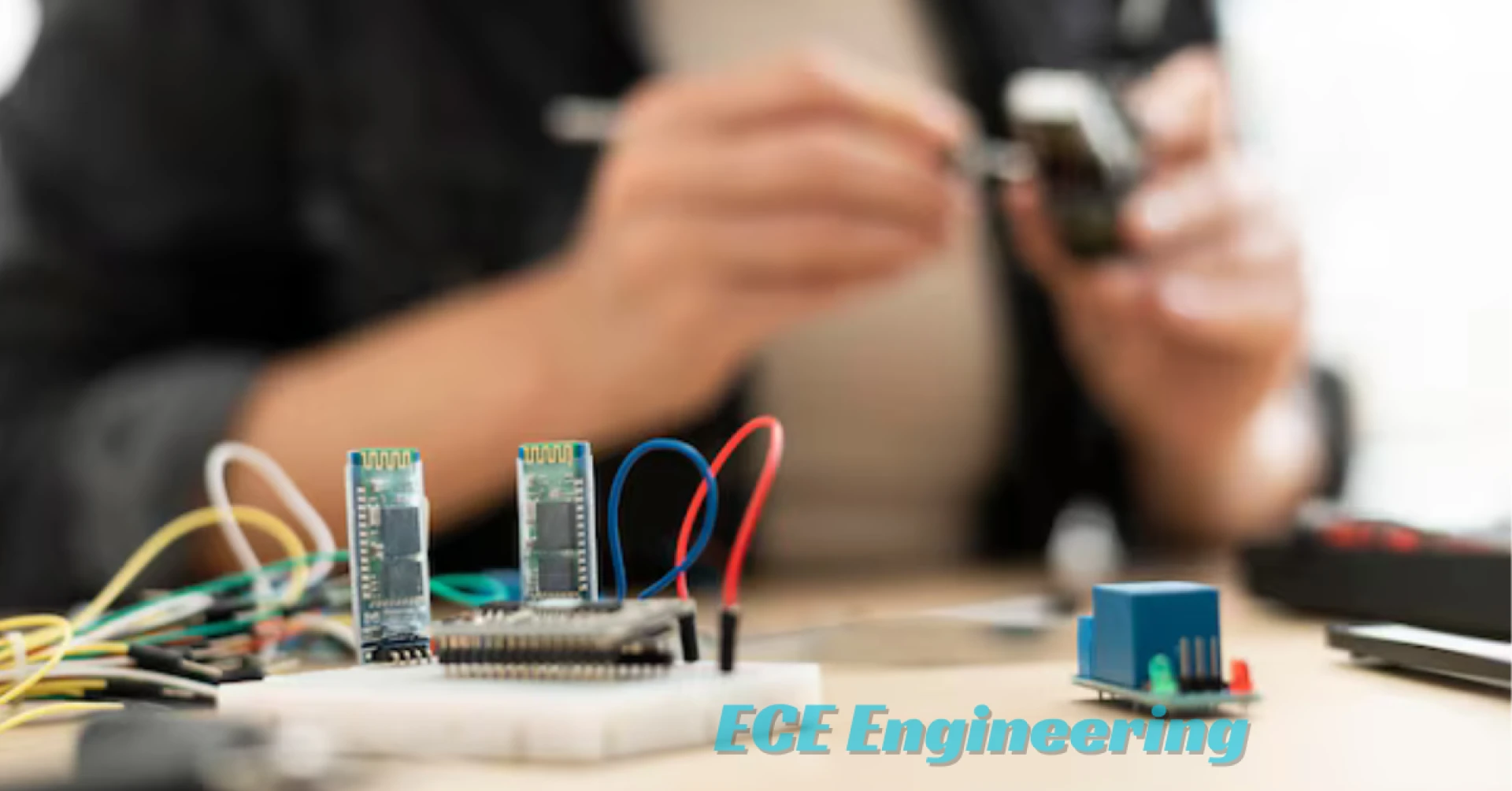

In an age that has been technologically advanced and globally connected, ECE Engineering has emerged as a very important discipline. Electronic principles are combined with communication systems to enable innovations that transform industries and society. Its versatility and relevance ensure that this domain holds the key to a prospective career for many aspiring engineers.
This blog attempts to discover what electronics and communications engineering means, its importance, course content, career prospects and the various exciting opportunities for them.
Understanding ECE Engineering
ECE engineering focuses on designing, developing, and applying electronic devices and communication technologies. It includes a variety of subjects, including microelectronics, signal processing, telecommunication and embedded systems.
It teaches students how to innovate, making it possible to produce highly advanced technologies such as smartphones, satellites, medical devices, or IoT-enabled systems. ECE engineering is one of the basic structures for modern innovation because it combines electronics and communication systems.
Key Subjects in Electronics and Communications Engineering
The electronics and communications engineering curriculum is crafted painstakingly to be theoretical and practical at the same time. Some very important core subjects include:
1. Digital Electronics
How to design and use digital circuits-the fundamental building blocks of modern electronic devices-is learned by students.
2. Analog Circuits
It involves acquiring and designing analogue electronic systems using amplifiers, oscillators and signal processors.
3. Communication Systems
This course offers insight into the theoretical transmission, reception, and processing of signals over distinct media.
4. Microprocessors and Microcontrollers
These basic building blocks of embedded systems run from small domestic appliances to industrial automated devices.
5. VLSI Design
Very Large Scale Integration: Design and fabrication of integrated circuits used in advanced electronics.
6. Wireless and Optical Communication
Studying wireless technologies and optical fibres prepares students for careers in the telecommunication and networking industries.
Career Prospects in ECE Engineering
The career opportunities for graduates of ECE engineering are vast and diverse. The development of such subjects is a blessing to industries reliant on advanced state-of-the-art technology and innovation. These are some of the common career paths available:
1. Telecommunication Engineer
A major part of the work in this industry involves designing and maintaining communications networks such as mobile and broadband systems.
2. Embedded Systems Developer
This professional designs systems by integrating the two components, for example, medical equipment and automotive systems.
3. IoT Specialist
IoT Specialists are dedicated to developing interconnected systems for homes, industries, and cities since the trend is toward smart technologies.
4. Chip Designer
A chip designer works with the entire integrated circuit development process, representing the heart of most applications for electronics, smartphones, computers, etc.
5. Signal Processing Engineer
Thus, signal processing engineers' duties involve analysing and manipulating signals for applications in audio, video, and communication technologies.
6. Research and Development (R&D)
Research and Development roles work towards innovation and exploration of developing technologies about advancements in electronics and communication, etc.
The Relevance of ECE in Emerging Technologies
Electronics and communications engineering plays a pivotal role in shaping emerging technologies. Applications like artificial intelligence, 5G networks, robotics, and renewable energy systems rely on ECE professionals. This is a multidisciplinary area, making it an ideal choice for the innovative mind to cross boundaries.
Skills Acquired in ECE Engineering
Graduates from an ECE engineering background have acquired soft and strong technical skills, making them precious candidates in the job market. Some of the following areas include:
- Problem Solving: the ability to analyse and solve complex technical problems.
- Programming: knowledge of languages such as Python, C++, and MATLAB.
- Design Thinking: efficient and scalable electronic systems.
- Communication Skills: able to work with teams and convey ideas.
- Adaptability: Keeping up with changing technologies and trends.
Why Choose ECE Engineering?
The decision to pursue electronics and communications engineering is driven by its broad scope and relevance. The field combines creativity and technical expertise, allowing professionals to contribute to transformative advancements.
Whether your interest lies in building smart devices, designing efficient communication networks, or exploring artificial intelligence applications, ECE engineering provides the knowledge and platform to excel.
Conclusion
ECE engineering stands at the forefront of technological evolution, driving innovations that redefine how we live and work. With so many exciting opportunities in the engineering field, this branch is suitable for the engineering aspirant. It extends placement opportunities, enhances exposure to technology in the emerging field, and has an ever-changing curriculum.
As industries progress towards digital transformation, there will also be a growing requirement for skilled labour in electronics and communications engineering. Therefore, if you think technology can change the world and want to be part of it, choose this field of ECE engineering, and you will be making the right path for a brilliant future opening for you.




























Sign in to leave a comment.