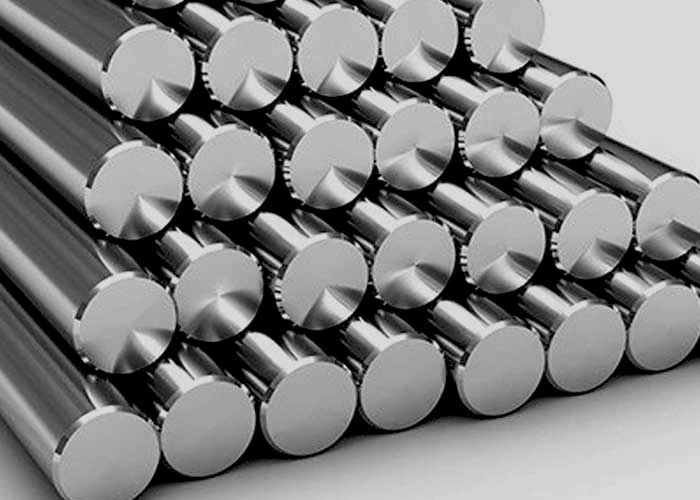

Stainless steel is a versatile material widely utilized in numerous industries due to its exceptional properties. Among the various grades, 303 stainless steel round bar stands out for its remarkable machinability. This austenitic stainless steel alloy includes sulfur to enhance its machinability, making it an ideal choice for components requiring extensive machining. However, the addition of sulfur slightly reduces its corrosion resistance and weldability compared to other austenitic stainless steels, such as 304 or 316.
The 303 stainless steel round bar is extensively used in the aerospace, automotive, and manufacturing industries. It is commonly employed in the production of screws, nuts, bolts, and other fasteners, where precise machining is critical. Additionally, it serves well in the creation of shafts, valve bodies, and architectural applications. Despite its lower corrosion resistance, 303 stainless steel round bar performs admirably in environments with minimal moisture exposure, especially where high-speed machining processes are essential.
Advantages of 303 Stainless Steel Round Bar
One of the significant benefits of using 303 stainless steel round bar is its cost-effectiveness in manufacturing. The enhanced machinability reduces production time and tooling costs, which is particularly advantageous for high-volume production runs. This attribute makes 303 stainless steel round bar a popular choice among manufacturers looking to optimize their operations without sacrificing quality. Moreover, the material\'s strength and durability ensure that components made from it have a long service life, even under demanding conditions.
In terms of specific applications, 303 stainless steel round bar is extensively used in the production of precision components. For instance, in the automotive industry, it is used to manufacture fuel injector components, sensors, and various engine parts. In the aerospace sector, it finds application in the production of landing gear components, instrumentation parts, and fasteners. The material\'s ability to maintain its properties at high temperatures further extends its usefulness in these industries.
A Look at 304 Stainless Steel Round Bar
While 303 stainless steel round bar is renowned for its machinability, 304 stainless steel round bar is known for its exceptional corrosion resistance and versatility. 304 stainless steel is the most widely used stainless steel grade, offering a balanced combination of strength, corrosion resistance, and formability. Unlike 303, 304 stainless steel round bar does not contain sulfur, which enhances its corrosion resistance, making it suitable for a broader range of applications, including those in more corrosive environments.
304 stainless steel round bar is commonly used in the food processing industry, chemical plants, and marine applications. Its ability to withstand exposure to various chemicals and saltwater environments makes it an ideal choice for producing kitchen equipment, storage tanks, and marine hardware. Additionally, 304 stainless steel round bar is used in architectural applications, such as handrails and supports, due to its aesthetic appeal and durability.
Conclusion
In summary, both 303 and 304 stainless steel round bars offer unique advantages depending on the requirements of the application. While 303 stainless steel round bar is preferred for its machinability in high-speed manufacturing processes, 304 stainless steel round bar is chosen for its superior corrosion resistance and versatility. Understanding the distinct properties of these stainless steel grades enables manufacturers to select the most suitable material for their specific needs, ensuring optimal performance and longevity of their products. Whether it\'s for the production of precision components in the automotive industry or for creating durable kitchen equipment, the right choice of stainless steel round bar can significantly impact the quality and efficiency of the final product.



























Sign in to leave a comment.