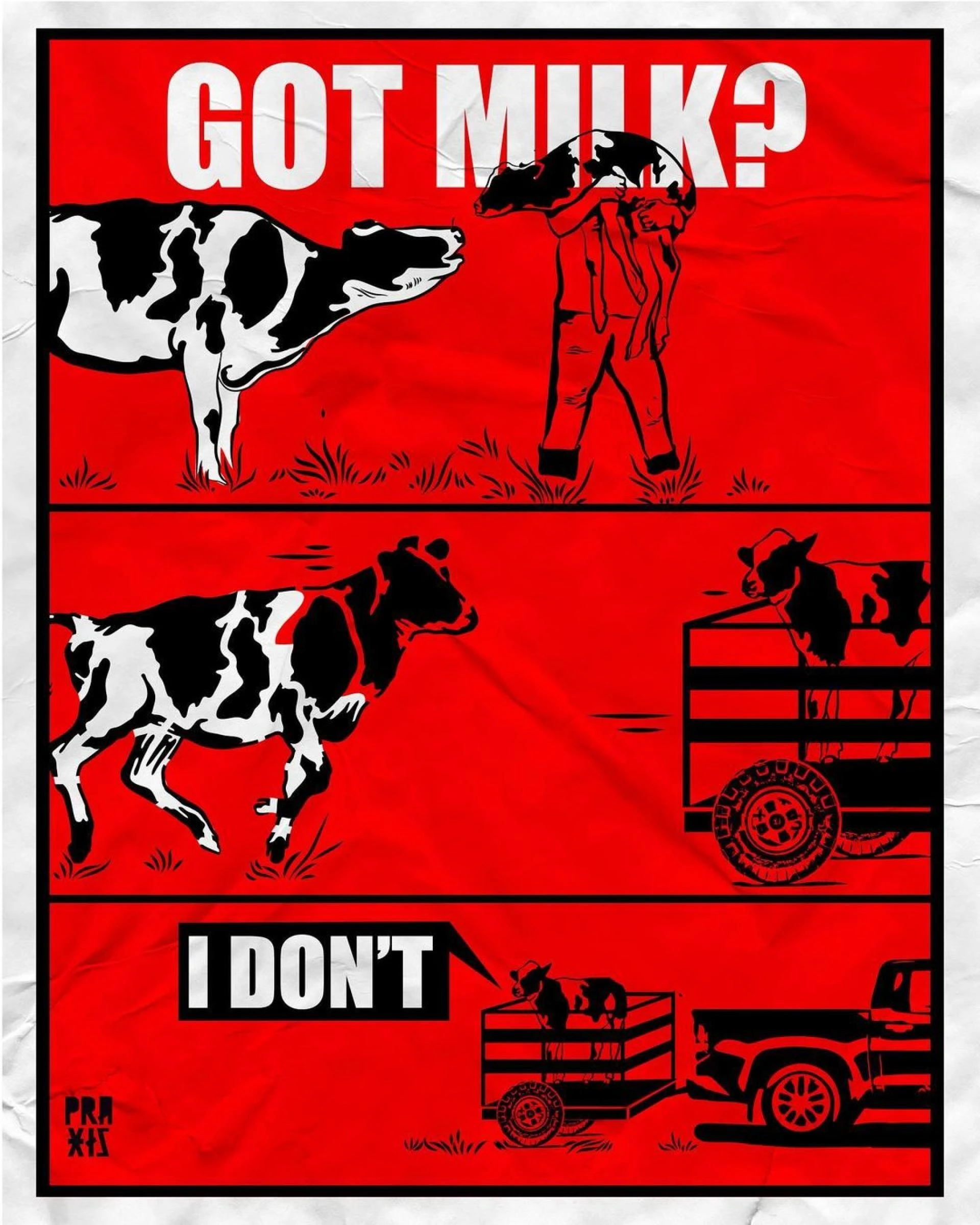

Introduction:
Welcome to our blog, where we shed light on one of the most pressing and often overlooked issues of our time: Animal cruelty in factory farms. In today's industrialized world, the majority of the meat, dairy, and eggs consumed by humans come from these massive, profit-driven operations. However, behind the glossy packaging and marketing lies a dark reality of suffering and abuse for billions of animals every year.
Understanding Factory Farming:
Factory farming, also known as industrial agriculture, is a system of raising animals for food in extremely confined and intensive conditions. These facilities prioritize maximizing production and profits above all else, often at the expense of animal welfare. Animals are treated as mere commodities, subjected to inhumane living conditions, and deprived of their most basic natural behaviors.
Cruel Practices:
The cruelty inflicted upon animals in factory farms knows no bounds. From the moment they are born until their untimely deaths, these sentient beings endure unimaginable suffering. Here are just a few of the common practices rampant in factory farming:
Confinement: Animals are crammed into tiny cages or overcrowded pens, unable to move freely or engage in natural behaviors.
Debeaking, Dehorning, and Tail Docking: Painful mutilations are routinely performed without anesthesia to prevent animals from injuring each other or damaging products.
Hormone and Antibiotic Abuse: Animals are pumped full of hormones and antibiotics to promote rapid growth and prevent disease, leading to serious health issues and antibiotic resistance.
Slaughterhouse Horrors: The journey from farm to slaughterhouse is often filled with fear, stress, and suffering. Many animals endure rough handling, improper stunning, and botched slaughter methods.
Environmental Impact:
In addition to the ethical concerns, factory farming also takes a significant toll on the environment. The massive amounts of waste produced by these operations pollute waterways, contribute to greenhouse gas emissions, and degrade ecosystems. Factory farming is a leading driver of deforestation, habitat loss, and biodiversity decline, further exacerbating the global environmental crisis.
Taking Action:
As consumers, we have the power to make a difference. By choosing plant-based alternatives or supporting ethically sourced animal products from small-scale farms, we can send a powerful message to the industry and demand better treatment for animals. Additionally, advocating for stronger animal welfare laws and supporting organizations working to end factory farming are crucial steps towards creating a more compassionate and sustainable food system.
Conclusion:
It's time to confront the harsh reality of animal cruelty in factory farms and work towards a future where all beings are treated with dignity and respect. Together, we can create a world where compassion triumphs over profit, and the suffering endured by billions of animals each year becomes a thing of the past. Join us in taking a stand against factory farming and building a brighter, more compassionate future for all.



























Sign in to leave a comment.