
Shipping a vehicle across the USA can be a convenient solution for moving, buying a car from another state, or transporting classic or luxury vehicles. However, understanding auto shipping cost is essential to budgeting and planning your transport. Costs vary widely depending on several factors, and knowing what influences pricing can save you money while ensuring safe and reliable service. In this guide, we’ll break down the key factors that affect auto shipping costs and how using a trusted provider like First Haulers can help you make an informed decision.
1. Distance of Transport
One of the most significant factors impacting auto shipping cost is the distance your vehicle needs to travel. Longer distances naturally require more fuel, time, and resources, resulting in higher costs.
- Local transport: Shipping within a state or a short distance (under 200 miles) usually costs less, ranging from $150–$400.
- Interstate shipping: Long-distance transport, such as moving a car from New York to California, is more expensive, often ranging from $1,000–$2,000 depending on other factors.
First Haulers offers competitive pricing for both local and long-distance routes, ensuring that your car reaches its destination safely and on schedule.
2. Vehicle Type and Size
The size, weight, and type of your vehicle significantly affect auto shipping cost:
- Standard sedans and compact cars: These are easier to transport and usually cost less.
- SUVs, trucks, and vans: Larger vehicles require more space and weight capacity, increasing the price.
- Luxury, classic, or exotic cars: High-value vehicles often require enclosed transport for added protection, which adds to the overall cost.
Choosing a reputable carrier like First Haulers ensures that your vehicle type is accommodated properly, with the correct equipment and safety measures in place.
3. Transport Method: Open vs. Enclosed
The method of transport is another major factor affecting auto shipping cost:
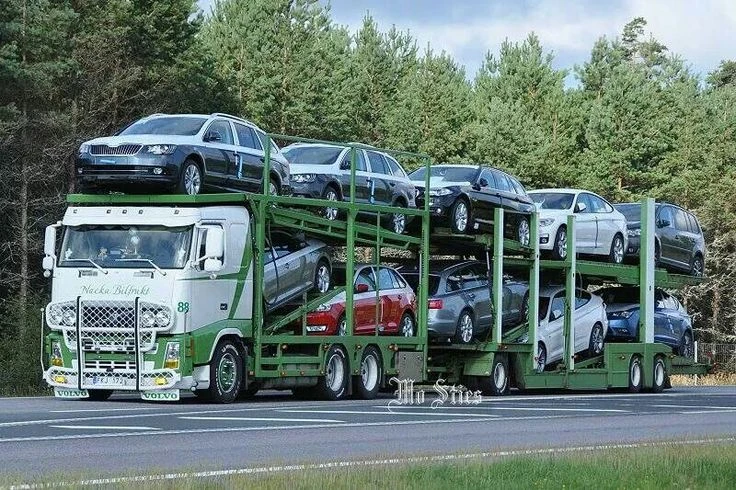
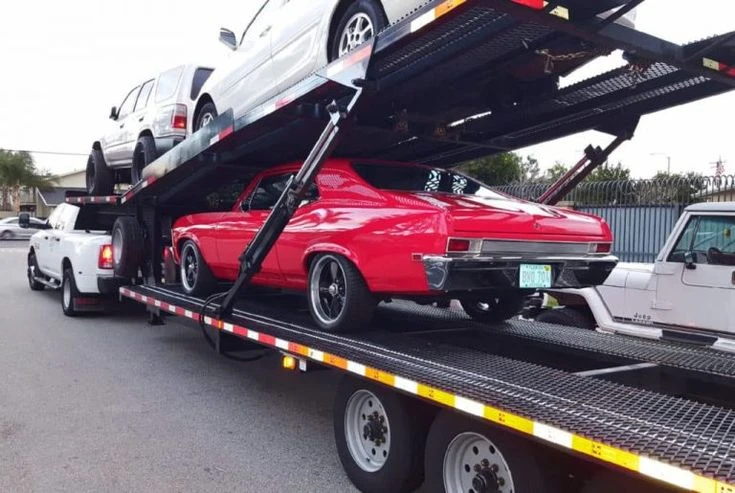
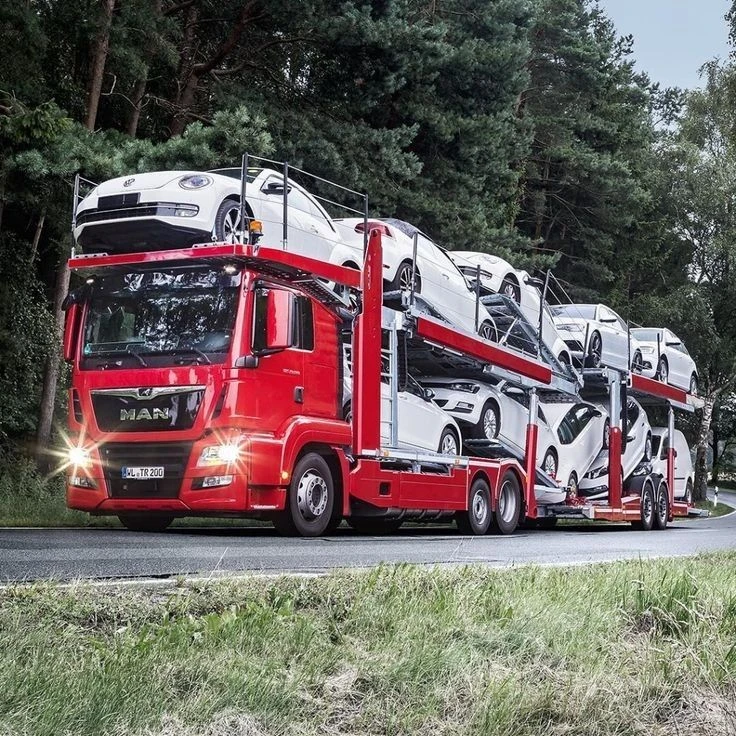
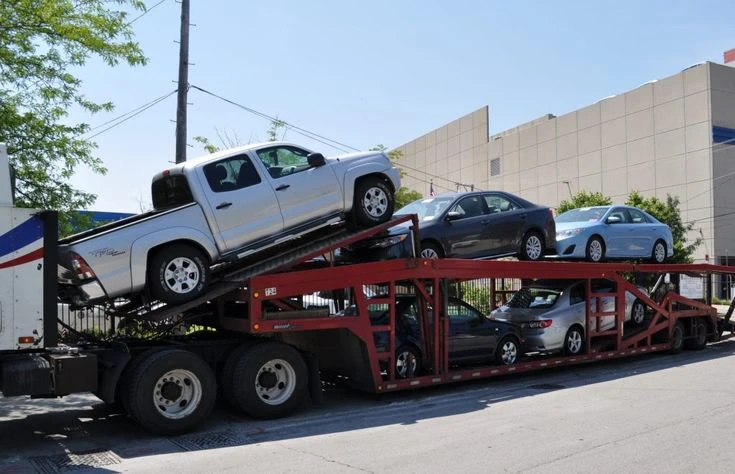
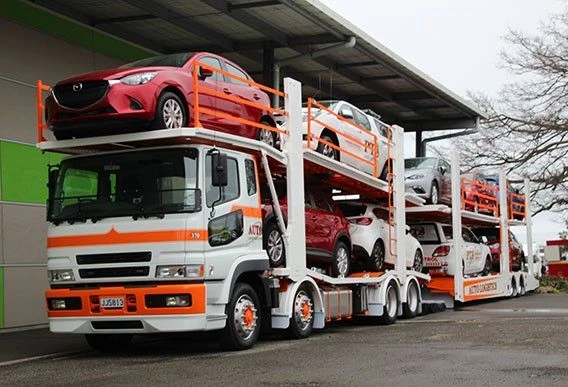
- Open transport: The most common and cost-effective option. Vehicles are transported on an open trailer along with other cars. While exposed to weather and road debris, open transport is safe for standard vehicles and significantly reduces costs.
- Enclosed transport: Provides full protection from weather and road hazards. This option is ideal for luxury or classic vehicles but can cost 30–50% more than open transport.
Selecting the right method depends on your vehicle type, value, and budget. First Haulers offers both open and enclosed transport, allowing you to choose the most suitable option.
4. Pickup and Delivery Locations
Where your vehicle is picked up and delivered also affects auto shipping cost. Urban areas with high traffic volumes and easy access are generally less expensive than remote or rural locations. Some carriers may charge additional fees for difficult-to-reach destinations or locations that require extra time or specialized equipment.
Planning your pickup and delivery in accessible areas can help reduce overall shipping costs without compromising convenience.
5. Timing and Seasonal Demand
Auto shipping costs fluctuate based on demand throughout the year. Peak moving seasons, typically from May to August, often result in higher rates due to increased demand. Holidays and year-end vehicle sales can also impact pricing.
Conversely, shipping during off-peak periods, like late fall or winter, may reduce costs. Being flexible with your shipment dates can help you take advantage of lower auto shipping rates.
6. Vehicle Condition
The condition of your vehicle can affect auto shipping cost. Cars that are operational are easier to load and transport, whereas non-running vehicles may require special equipment like dollies or flatbed trailers, increasing the cost.
Before shipping, ensure your vehicle is in working condition whenever possible, and provide accurate information to the carrier to avoid unexpected fees.
7. Additional Services and Fees
Some carriers offer extra services that can impact pricing, including:
- Expedited shipping: Faster delivery often comes with a premium.
- Door-to-door service: More convenient but usually costs more than terminal-to-terminal transport.
- Insurance coverage: While basic insurance is included, additional coverage may be necessary for high-value vehicles.
- Fuel surcharges or oversized vehicle fees: Depending on the vehicle and route, extra fees may apply.
Working with a reputable company like First Haulers ensures that all fees are transparent upfront, so you can budget accurately.
8. Choosing a Reliable Carrier
The choice of carrier directly influences both cost and quality of service. A reliable company ensures timely delivery, proper handling, and comprehensive insurance coverage. First Haulers, for example, provides:
- Transparent quotes without hidden fees
- Licensed and insured transport services
- Experienced drivers trained to handle all vehicle types
- Real-time tracking and responsive customer service
Selecting a trustworthy provider helps prevent delays, damages, or unexpected costs, making the shipping process smoother and more predictable.
Conclusion
Understanding the factors that affect auto shipping cost is key to making informed decisions and budgeting appropriately. Distance, vehicle type, transport method, pickup and delivery locations, seasonal demand, vehicle condition, and additional services all play a role in determining the final price. By considering these factors and choosing a reliable provider like First Haulers, you can ensure a safe, cost-effective, and stress-free auto transport experience.
Whether shipping locally or across the country, careful planning and informed decisions will help you save money while keeping your vehicle protected throughout the journey.























Sign in to leave a comment.