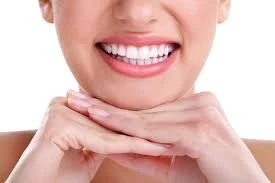

Digital Smile Design (DSD) represents a significant advancement in cosmetic dentistry, offering precise, personalized solutions for achieving a beautiful smile. If you\'re exploring digital smile designing in Mulund East, it’s essential to consider several factors before opting for DSD to ensure this approach aligns with your needs and expectations. Here’s a comprehensive guide to help you make an informed decision.
Understanding Your Goals and Expectations
Objective: Define what you want to achieve with your smile makeover.Personal Aesthetic Goals: Reflect on what aspects of your smile you wish to enhance. Are you looking to improve tooth shape, size, alignment, or aesthetics? Clear goals will help guide the DSD process.
Realistic Expectations: While DSD can provide impressive results, it is crucial to have realistic expectations about the outcome. Discuss your goals with your dentist to ensure your vision aligns with achievable goals.
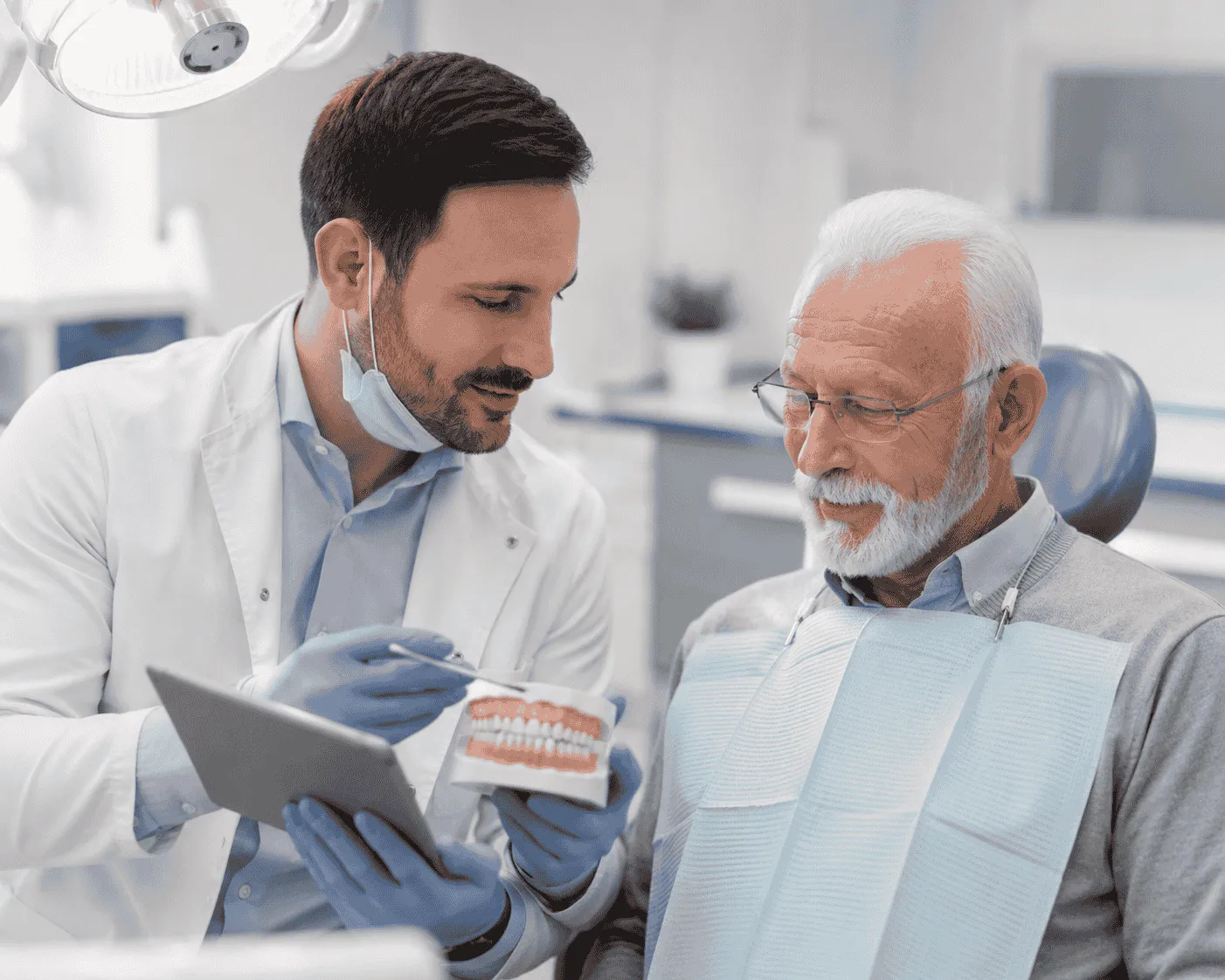
Consultation with Your Dentist: Schedule a consultation with a dentist experienced in DSD. They can help you understand what is possible based on your dental and facial features.
Evaluating Your Current Dental Health
Objective: Assess whether your current dental health supports the use of DSD.Dental Health Status: Ensure that your teeth and gums are healthy before undergoing cosmetic procedures. Issues such as decay, gum disease, or misalignment should be addressed beforehand.
Treatment Needs: Before starting the DSD process, determine if any preliminary treatments, such as fillings, root canals, or orthodontics, are needed. Your dentist will evaluate your overall dental health and recommend any necessary treatments.
Comprehensive Examination: A thorough examination, including X-rays and other diagnostic tools, will help identify any underlying issues that need attention.
Understanding the Technology and Process
Objective: Gain a clear understanding of the technology and process involved in DSD.Digital Imaging and Scanning: Familiarize yourself with the digital imaging and scanning technologies used in DSD. This includes 3D scans and facial analysis tools that create detailed models of your teeth and face.
Computer-Aided Design (CAD): Learn the CAD software used to design your smile. Understanding how the software works will help you appreciate the precision and customization involved.
Virtual Simulation: Understand how virtual simulations will allow you to preview your new smile. This technology provides a realistic view of the proposed changes, helping you make informed decisions.
Assessing the Costs and Financial Considerations
Objective: Evaluate the cost and financial aspects of undergoing DSD.Cost of DSD: Due to its advanced technology and personalized approach, Digital Smile Design can be more expensive than traditional methods. Obtain a detailed cost estimate from your dental provider.
Insurance Coverage: Check with your dental insurance provider to see if any part of the DSD process is covered. Cosmetic procedures may have limited coverage, so understanding your insurance benefits is important.
Payment Options: Inquire about payment plans or financing options that may be available. Many dental practices offer flexible payment solutions to help manage the cost of cosmetic treatments.
Considering the Experience and Expertise of Your Dentist
Objective: Choose a dentist with the necessary skills and experience in DSD.Experience with DSD: Select a dentist with experience and expertise in Digital Smile Design. Their familiarity with the technology and process will ensure you receive high-quality care.
Portfolio of Previous Work: Review the dentist’s portfolio of previous smile makeovers. This will give you an idea of their style and the quality of their work.
Patient Reviews and Testimonials: Read reviews and testimonials from other patients who have undergone DSD with the dentist. Positive feedback and successful outcomes are good indicators of their proficiency.
Evaluating the Benefits and Risks
Objective: Weigh the potential benefits and risks associated with DSD.Benefits: DSD offers numerous benefits, including precise design, enhanced visualization, and a personalized approach. It can result in a more predictable and satisfying outcome than traditional methods.
Risks: Consider potential hazards, such as misalignment or dissatisfaction with the final result. Ensure your dentist has a plan for addressing any issues arising during the process.
Long-Term Results: Discuss the expected longevity of the results with your dentist. Understanding how long the improvements will last can help you make an informed decision.
Preparing for the Procedure
Objective: Prepare yourself for the DSD procedure and follow-up care.Pre-Treatment Requirements: Follow your dentist\'s pre-treatment instructions, such as maintaining good oral hygiene or avoiding certain foods.
Post-Treatment Care: Understand the post-treatment care and maintenance required after the DSD procedure. This may include follow-up appointments, adjustments, and ongoing dental care.
Lifestyle Adjustments: Be prepared for any adjustments necessary during the treatment process, such as changes in diet or oral hygiene practices.
Exploring Alternatives
Objective: Consider alternative options if DSD may not be suitable for you.Traditional Smile Design: If DSD is not the right fit, explore traditional smile design options that may still offer effective results.
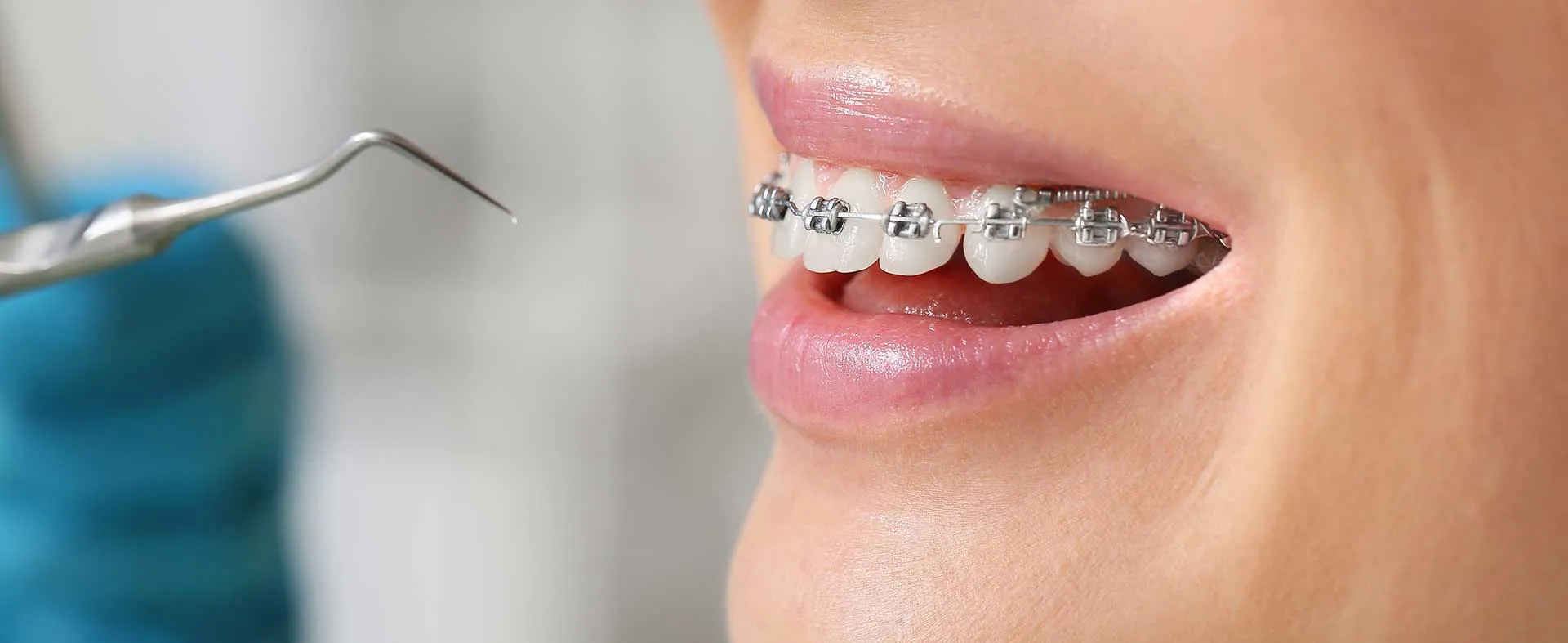
Other Cosmetic Procedures: Discuss other cosmetic procedures with your dentist, such as veneers, bonding, or orthodontics, that may address your aesthetic goals.
Combination Treatments: Consider whether a combination of treatments might be more appropriate for achieving your desired results.
Conclusion
Opting for Digital Smile Design (DSD) is a significant decision involving various factors, including your goals, dental health, understanding of the technology, financial considerations, and your dentist\'s expertise. By carefully evaluating these factors, you can make an informed decision and ensure that DSD is the right choice for achieving your ideal smile. Consult a qualified dental professional to discuss your options and determine the best approach for your smile makeover. With the right planning and preparation, DSD can provide you with a beautiful, personalized smile that enhances your confidence and overall appearance.

























Sign in to leave a comment.