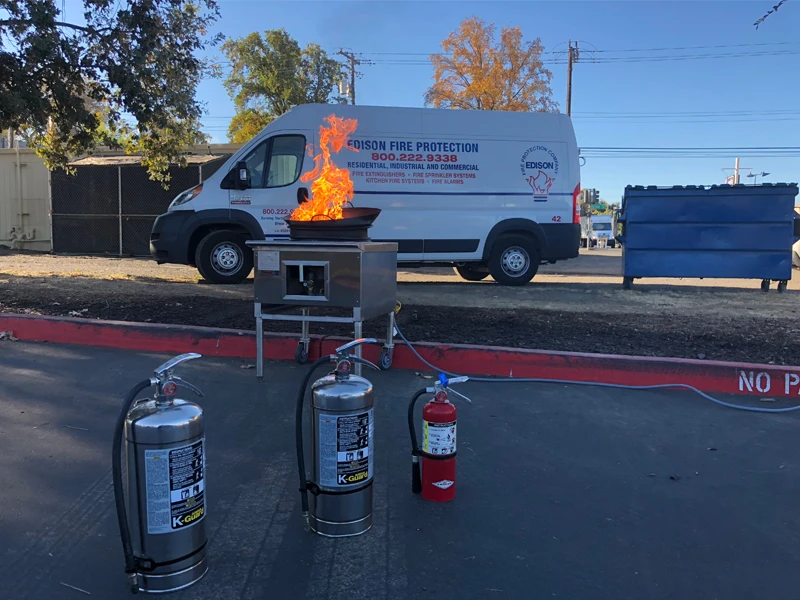

Failing a Fire Sprinkler Inspection can be both alarming and inconvenient. Whether you're responsible for a commercial property, residential building, or industrial facility, a failed inspection indicates that your fire protection system is not fully compliant with required safety codes. This can compromise occupant safety, affect your insurance coverage, and even lead to legal or financial consequences. Understanding what to do next is crucial to ensuring you restore compliance quickly and prevent similar failures in the future.
Understanding Why Inspections Matter
Fire sprinkler systems are regulated by national and local codes, primarily from the National Fire Protection Association (NFPA). Inspections ensure these systems are ready to control or extinguish fires in emergencies. They typically check valves, sprinkler heads, pipes, control systems, and alarms. Inspection frequency varies—quarterly, semi-annually, or annually—based on the building, occupancy, and system type.
A failed inspection means some part of the system didn’t meet standards. Issues can range from minor problems like missing tags to serious ones like blocked pipes, faulty alarms, or corroded sprinkler heads. Any failure must be addressed immediately.
Start by Reviewing the Inspection Report
Once your system fails an inspection, the inspector will provide you with a Fire Sprinkler Inspection Report. This report lists problems categorized by severity and urgency. Review it carefully, noting each issue. Problems may include code violations, maintenance needs, or design flaws, along with any deadlines for repairs or follow-up inspections.
Understanding the issues is key to effective planning. Focus first on critical violations that impact safety or legal compliance. Decide which repairs can be handled internally and which need professional help.
Notify All Relevant Stakeholders
After reviewing the report, the next step is to notify all stakeholders impacted by the inspection results. This includes building owners, property managers, tenants, safety officers, and sometimes your insurance provider. Fire Suppression
If the failed inspection affects your certificate of occupancy or causes temporary shutdowns, inform all parties immediately to prevent confusion and liabilities. Transparency builds trust and helps everyone work toward a quick resolution. If business operations are affected, adjust workflows, inform customers, or temporarily relocate services as needed.
Hire a Qualified Fire Protection Contractor
The next step is to hire a licensed Fire Protection Contractor. These experts will assess the inspection findings, confirm issues, and create a plan to bring your system into compliance. They’ll perform diagnostic checks, advise on the best actions, and help secure any necessary permits.
Choosing a reputable contractor is vital. Look for companies with proper certifications, positive client reviews, and experience with systems similar to yours. A competent contractor will not only perform the necessary repairs but will also test the system thoroughly afterward to ensure all components function correctly.
Complete All Required Repairs and Permits
Once the contractor is on board, quickly complete the necessary repairs. This could involve replacing sprinkler heads, clearing pipe blockages, recalibrating the control panel, or fixing low water pressure. For larger repairs, you may need to apply for work permits from your local fire or building department to ensure compliance with municipal codes.
During this phase, maintain detailed documentation of all work performed, including photographs, invoices, and updated system drawings. These records may be required during the reinspection or for future reference in case of disputes or audits. Fire Extinguishers Services
Schedule a Follow-Up Inspection
After completing repairs and verifying system functionality, it’s time to schedule a reinspection. Some jurisdictions may allow contractors to self-certify that minor issues have been corrected, but major violations typically require a formal reinspection by the fire marshal or a certified inspector.
Before the reinspection, conduct a final internal check to ensure every item noted in the original report has been addressed. Ensure that your documentation is in order, the system has been tested, and that your contractor is present if required. Passing this reinspection is essential to restoring your compliance status and avoiding further penalties or delays.
Update Your Insurance Provider
If your insurance depends on a working Fire Sprinkler System, a failed inspection could be an issue. Many policies require fire safety systems to be fully operational to stay valid. Notify your insurer immediately, especially if major repairs are needed. Some may allow temporary leniency if you keep them informed during the repair process.
Once the system has passed reinspection, forward the updated inspection report and proof of compliance to your insurance company. It helps you restore full coverage and possibly avoid any premium increases. In some cases, a newly upgraded system might even qualify you for discounted rates.
Implement a Preventive Maintenance Program
One of the most effective ways to avoid future inspection failures is to establish a Preventive Maintenance Program. Regular maintenance not only ensures your system operates efficiently but also allows early detection of problems before they escalate into violations.
Work with your contractor to develop a schedule that includes monthly visual inspections, quarterly tests of system components, and an annual comprehensive system evaluation. Include procedures for checking water pressure, valve functionality, alarm signals, and sprinkler head alignment. Keep all maintenance logs and service records organized and accessible for future inspections.
Educate Building Occupants and Staff
Your sprinkler system is just one part of a broader fire safety strategy. Occupants and staff also play a role in maintaining fire safety and responding effectively during emergencies. Conduct regular training sessions to educate them about evacuation procedures, alarm responses, and basic fire safety practices.
Also, inform them about what can compromise the system—like hanging objects from sprinkler heads or blocking access to control valves. Simple education can go a long way in preserving the integrity of the system and supporting overall safety.
Stay Updated on Code Changes
Fire codes and safety standards evolve. What was acceptable five years ago may not be compliant today. Stay informed by subscribing to updates from the NFPA or your local authority having jurisdiction (AHJ).
Attend industry workshops or engage with your fire protection contractor for annual reviews of your system to determine if updates or upgrades are necessary. Staying ahead of code changes not only ensures ongoing compliance but also prepares you for future inspections with fewer surprises.
Evaluate the Need for System Upgrades
If your inspection failure reveals systemic issues due to aging infrastructure, it may be time to consider a Fire Sprinkler System Upgrade. Modern systems offer advantages such as digital monitoring, better water distribution, corrosion resistance, and integration with other building management systems.
Upgrading might be costly upfront, but it enhances safety, reduces maintenance needs, and increases your building’s market value. In many cases, it also leads to long-term savings through reduced insurance premiums and fewer emergency repairs.
Failing a fire sprinkler inspection can feel overwhelming, but it’s ultimately a solvable problem. By carefully reviewing your inspection report, involving qualified professionals, making necessary repairs, and implementing preventive measures, you can not only restore compliance but also enhance the overall safety of your building. Think of the failure as a wake-up call—a chance to reassess your fire safety strategy, train your staff, and make proactive changes that benefit everyone in the long run. Fire safety isn’t just about passing inspections—it’s about creating an environment where people are genuinely protected.































Sign in to leave a comment.