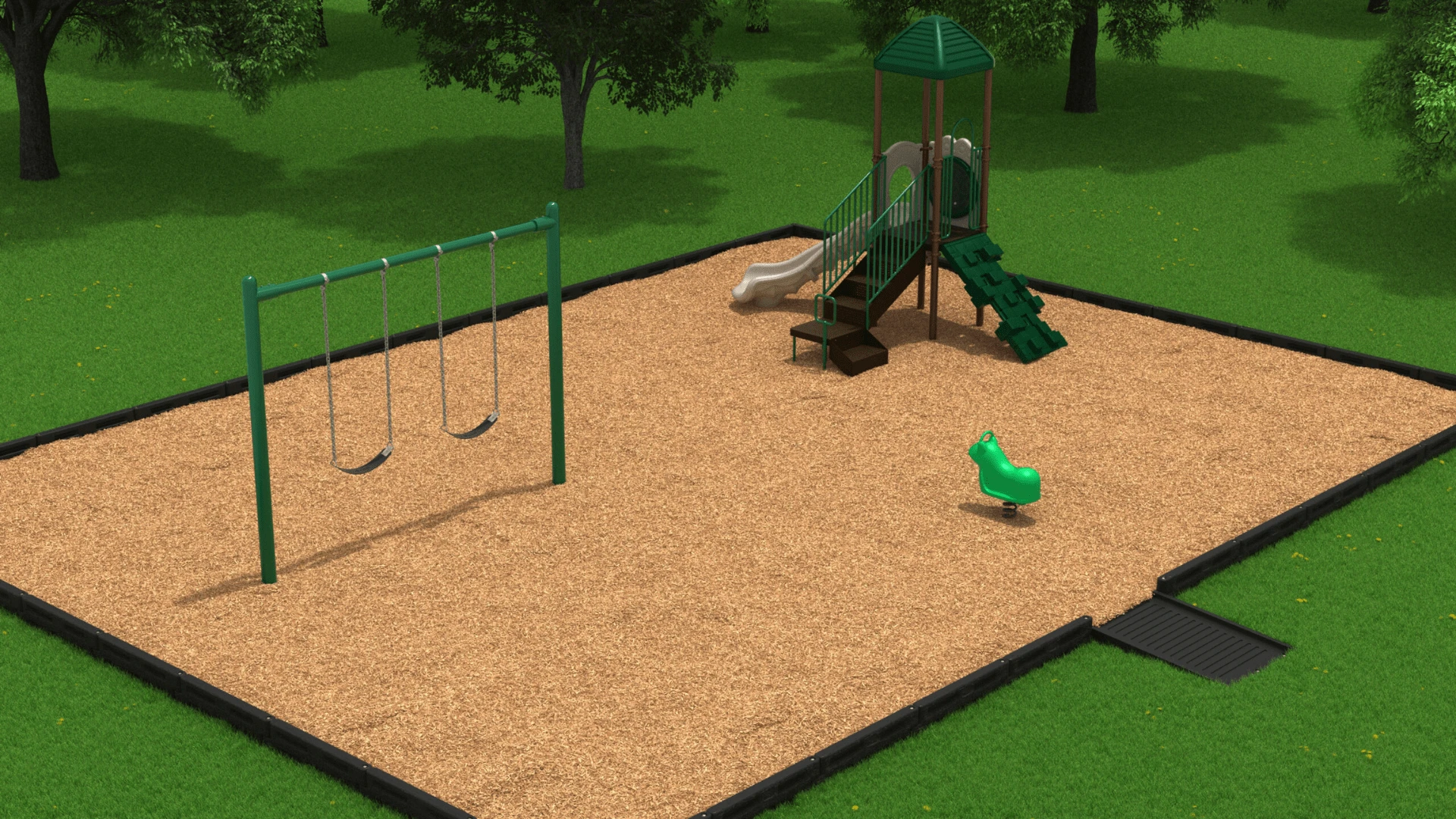

Playgrounds are evolving rapidly, blending fun with safety, accessibility, and innovation. Today’s commercial playgrounds are more than just places for children to climb, swing, and slide — they are creative, inclusive, and sustainable environments that foster physical, social, and cognitive development. With cities, schools, and recreation centers investing in outdoor play, staying updated on industry trends is crucial. Here are the top commercial playground equipment trends reshaping how play spaces are designed and used.
Inclusive Playgrounds for All Abilities
One of the most significant advancements in modern playground design is the focus on inclusivity. Facilities now aim to ensure that children of all abilities can engage with their peers in a shared environment. Equipment manufacturers are embracing Universal Design principles to create structures that accommodate physical, sensory, and cognitive needs.
This involves adding features such as ground-level activities, accessible ramps, sensory panels, and communication boards. The emphasis is no longer on providing separate spaces for children with disabilities but instead on integrating equipment so everyone plays together. These playgrounds foster empathy, understanding, and social bonding among children while ensuring nobody feels left out.
Nature-Inspired Play Structures
Natural aesthetics and eco-consciousness are becoming central themes in commercial playgrounds. Designers are integrating organic shapes, earthy colors, and natural materials such as wood and stone into their concepts. Nature-inspired equipment helps children connect with the environment, encouraging imaginative play and exploration.
In addition to appearance, these designs often incorporate elements like boulders, logs, and water features to stimulate creativity. Studies show that exposure to nature boosts mental health and cognitive development, making these spaces valuable in both urban and suburban settings.
Smart Technology Integration
As digital technology becomes more entrenched in everyday life, its influence has extended to the world of play. Many modern playgrounds are incorporating interactive technology to engage children in a variety of ways. This includes touch-sensitive panels, augmented reality experiences, and fitness trackers embedded within equipment.
Smart playgrounds can also include features that adapt to user behavior. For example, sensors can adjust difficulty levels or activate sound effects based on movement. This dynamic engagement encourages repeated visits, improves physical fitness, and introduces children to technology in a healthy, outdoor context.
Customizable Modular Designs
Flexibility is a growing priority in playground planning. Modular designs allow organizations to tailor play spaces to specific needs, age groups, and available space. These configurations can be expanded or restructured over time, giving schools and communities room to grow without investing in entirely new systems.
Customization also means that playgrounds can reflect local culture, history, or branding. Whether it’s a pirate-themed ship, a replica of a historic landmark, or a futuristic tower, modular equipment gives architects and planners creative freedom while maintaining structural safety and compliance standards.
Sensory-Rich Experiences
Modern playgrounds are emphasizing multi-sensory stimulation to support all aspects of childhood development. Sensory play equipment — including musical instruments, textured panels, spinning elements, and scented gardens — offers more than just fun. These tools engage sight, sound, touch, and even smell, enhancing cognitive function and emotional regulation.
Sensory elements are especially beneficial for children on the autism spectrum or those with sensory processing disorders. They help develop fine motor skills, balance, and coordination in an engaging and non-intimidating way. Including sensory zones also makes the playground more inclusive and welcoming. Shade Structures For Schools
Safety Innovations and Surfacing
Safety remains paramount in commercial playground design. While the equipment itself is built to meet rigorous safety standards, surfacing technology has seen notable advancements. Traditional sand and gravel are being replaced with more effective solutions like poured-in-place rubber, synthetic turf, and engineered wood fiber.
These surfaces offer superior shock absorption, reduce the risk of injury, and require minimal maintenance. Additionally, modern materials are available in a wide range of colors and patterns, allowing them to complement the playground’s aesthetic. Safety no longer compromises creativity — the two go hand in hand.
Intergenerational Play Opportunities
Another trend gaining traction is designing playgrounds that appeal to more than just children. Intergenerational play equipment encourages grandparents, parents, and kids to enjoy activities together. These installations often include outdoor fitness equipment, large-scale games, and seating areas conducive to social interaction.
This approach promotes physical activity and relationship-building across age groups, transforming playgrounds into true community hubs. When adults and children share the space, it fosters a deeper connection and sets an example of lifelong fitness and fun. Commercial Playground Equipment For Sale
Sustainability and Eco-Friendly Materials
Environmental responsibility is now a key consideration in playground development. Many manufacturers are focusing on sustainability by using recycled materials, low-emission production processes, and designs that minimize environmental impact. Recycled plastic, reclaimed wood, and non-toxic finishes are commonly used in construction.
Additionally, some playgrounds incorporate solar-powered lighting, rainwater collection systems, and native landscaping to reduce maintenance needs and conserve resources. These initiatives not only protect the planet but also teach children the value of environmental stewardship.
Community Engagement and Co-Design
Successful playgrounds increasingly result from community involvement in the design process. Rather than selecting from a catalog, stakeholders — including children, parents, teachers, and community leaders — are invited to participate in workshops or design consultations. This collaborative approach ensures the finished space reflects the community’s values, needs, and identity.
By engaging local voices, the result is often a more beloved and well-used space. It also fosters a sense of pride and responsibility among users, improving care and reducing vandalism.
Themed and Story-Based Play Zones
Storytelling is a powerful developmental tool, and many playgrounds are now built around immersive themes. Castles, jungles, outer space, and underwater adventures are just a few popular motifs. These themed areas capture children’s imaginations and encourage role-play, collaboration, and narrative thinking.
Story-based play also allows for educational elements to be woven into the design. For instance, a space-themed playground might include facts about the solar system, encouraging learning through exploration. This blend of play and pedagogy makes the playground experience richer and more meaningful. Commercial Playground Manufacturers
Outdoor Learning Integration
With the growing interest in outdoor education, many playgrounds now double as learning environments. Educational panels, outdoor classrooms, and interactive installations are being included in commercial playground designs to support schools and daycare centers.
These features promote experiential learning by blending academics with physical activity. Subjects such as math, science, geography, and art can be taught through hands-on engagement, helping children retain information better. This trend also supports holistic child development by connecting mental and physical growth.
Compact Urban Play Areas
Urban environments present unique challenges for play spaces. Limited land and dense populations require creative solutions. Compact playground equipment designed for tight city lots or rooftop installations is gaining popularity. These designs prioritize vertical play, combining slides, climbing walls, and observation decks in a small footprint. Such spaces maximize use without compromising on fun, safety, or accessibility. Urban play zones also frequently include art installations, murals, and public seating, contributing to neighborhood beautification and community building.
Commercial playgrounds are evolving, combining creativity, inclusivity, and technology to serve children and communities. Trends like modular design, sensory features, sustainability, and smart tech highlight a deeper understanding of how children play and grow. As these trends continue, playgrounds will become more than just recreational spaces; they'll be vital community landmarks supporting development, diversity, and connection. Staying innovative ensures your playground remains compliant, safe, vibrant, engaging, and future-ready.



























Sign in to leave a comment.